
You know the feeling: you close the app after a long scroll, and instead of feeling connected, you feel wired, jittery, or just off. Social media can be a stress trigger, and for many of us, that low-grade anxiety lingers even after we put the phone down. While stepping away is the most direct fix, what you eat can also play a supporting role in calming your nervous system. Here are six foods that nutrition research suggests may help take the edge off.
Fatty Fish
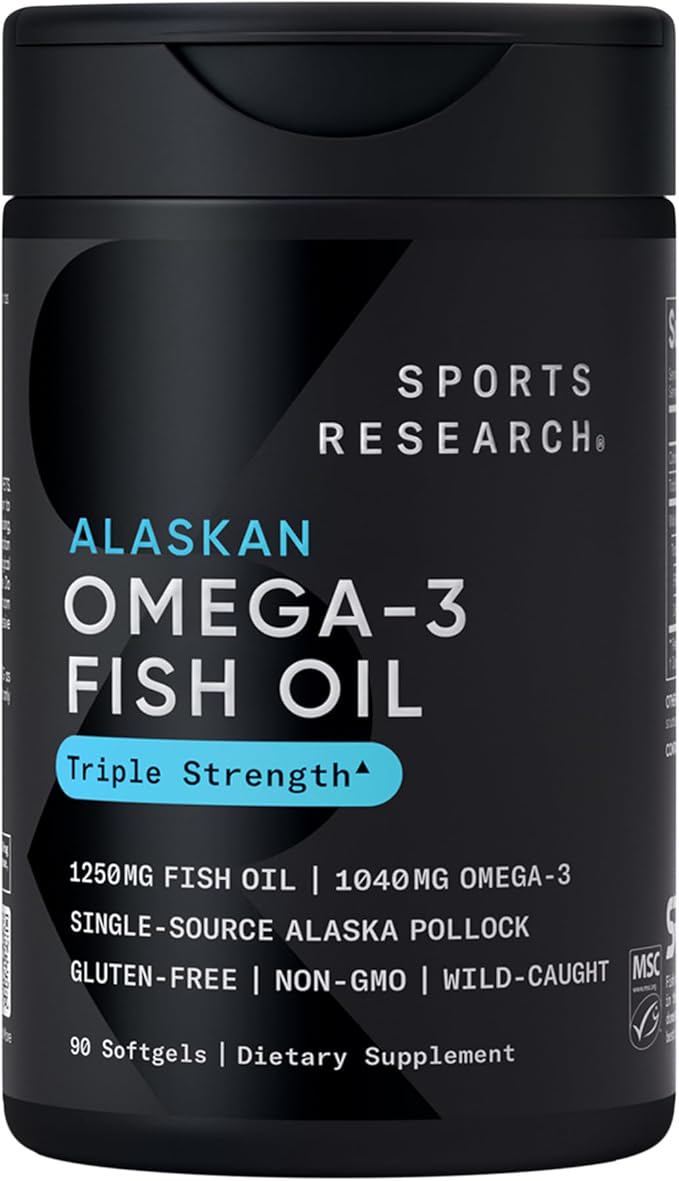
Salmon, mackerel, sardines, and other fatty fish are rich in omega-3 fatty acids, particularly EPA and DHA. These fats are essential for brain health and have been studied for their role in reducing inflammation and supporting neurotransmitter function. Some research has linked higher omega-3 intake with lower levels of anxiety. The thinking is that these healthy fats may help regulate stress hormones like cortisol and support the production of calming brain chemicals. Aim to include fatty fish in your meals a couple of times a week.
Fermented Foods
Yogurt, kefir, kimchi, sauerkraut, and kombucha fall into this category. They contain live beneficial bacteria called probiotics. The gut-brain axis is a two-way communication highway between your digestive system and your brain. A growing body of research suggests that a healthy gut microbiome can positively influence mood and stress response. Fermented foods help populate your gut with these friendly microbes, potentially reducing inflammation and promoting a calmer mental state. Even a small serving of yogurt or a spoonful of sauerkraut with a meal can make a difference.
Dark Chocolate
Yes, dark chocolate makes the list. It’s not just a comforting treat; it contains cocoa flavanols, which are antioxidants that may improve blood flow to the brain and reduce inflammation. Some small studies suggest that dark chocolate can lower perceived stress and improve mood. Look for varieties with a high cocoa content (70% or higher) to get the most benefit without too much added sugar. A square or two is plenty—this is about quality, not quantity.
Green Tea
Green tea contains L-theanine, an amino acid that has a calming effect on the brain without causing drowsiness. L-theanine works by increasing levels of GABA, serotonin, and dopamine—neurotransmitters that help regulate mood and promote relaxation. This is why green tea offers a more balanced, focused energy compared to coffee. Sipping a warm cup while taking a break from screens can be a simple ritual to reset your mental state.
Berries
Blueberries, strawberries, and raspberries are packed with antioxidants and vitamin C. Oxidative stress and inflammation are thought to play a role in anxiety and mood disorders. The compounds in berries help combat this cellular stress. A study published in Nutrients found that high-flavonoid diets (berries are a major source) were associated with lower odds of depressive symptoms. They’re easy to throw into a smoothie, oatmeal, or just eat by the handful as a snack.
Turmeric
This bright yellow spice, commonly used in curries, contains curcumin—a compound with powerful anti-inflammatory and antioxidant properties. Chronic inflammation is increasingly linked to depression and anxiety. Curcumin may help reduce inflammation in the body and brain. It’s not easily absorbed on its own, so pairing turmeric with black pepper (which contains piperine) significantly boosts absorption. You can add it to roasted vegetables, soups, or a warm latte.
These foods aren't a cure-all, but they can be valuable tools in a broader strategy that includes sleep, exercise, and mindful tech habits. Eating well is one more way to show your brain some care in a noisy digital world.