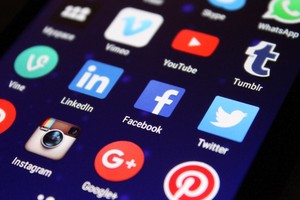
You scroll through your feed, see a friend's vacation photos, and suddenly feel a knot tighten in your stomach. Or maybe you post something thoughtful, only to refresh obsessively, watching for likes that feel slow to arrive. If any of this sounds familiar, you are not alone—and it has a name: social media anxiety.
Social media anxiety is not a formal clinical diagnosis, but it is a very real pattern of worry, self-consciousness, and unease linked to how we use (and overuse) digital platforms. It can show up as a low-grade dread before opening an app, a spike of adrenaline after posting, or a lingering sense of inadequacy after comparing your day to someone else's highlight reel. Understanding what fuels it—and what you can actually do about it—can help you take back a sense of control.
What triggers social media anxiety?
The triggers are often baked into the design of the platforms themselves. Apps are built to keep you engaged, and that engagement loop can stir up anxiety in specific ways.
- Comparison overload: Viewing curated, filtered versions of other people's lives can cause you to measure your own real, messy life against an impossible standard. This is sometimes called “social comparison theory” in psychology, and it is a major driver of anxiety.
- Fear of missing out (FOMO): Seeing friends at an event you weren't invited to—or just seeing that others are doing something while you are home—can spark a sense of exclusion and restlessness.
- Validation-seeking pressure: Posting content often comes with a silent question: Will people respond? When likes, comments, or shares are slow, it can feel like a rejection, even if rationally you know it isn't.
- Always-on availability: The expectation that you will reply quickly to messages or comments can create a low-grade pressure that follows you throughout the day.
- Algorithmic negativity: Social platforms often prioritize emotionally charged or divisive content because it drives interaction. That can mean you are being fed more news about arguments, disasters, or social tension than you realize.
Symptoms to watch for
Social media anxiety can look different from person to person, but common signs include:
- Feeling tense, irritable, or restless before, during, or after using social media
- Checking notifications repeatedly, even when you know there is nothing new
- Avoiding posting because you fear negative feedback or being ignored
- Comparing your life, body, or accomplishments to others and feeling deflated
- Difficulty sleeping because of late-night scrolling or ruminating over an online interaction
- Physical symptoms like tightness in the chest, headache, or a racing heart when using certain apps
One telling sign: if you feel a clear sense of relief when you put your phone down and step away from social media, that is a strong indicator that the apps were contributing to your anxiety.
What makes it different from general anxiety?
While social media anxiety shares features with generalized anxiety disorder (GAD), it tends to be situation-specific. You might feel perfectly calm in other areas of your life—at work, with close family—but find that certain apps reliably spike your distress. It can also come and go quickly: the knot in your stomach after seeing a post may fade within minutes of closing the app, only to return the next time you log in.
For some people, social media anxiety overlaps with what researchers call “social media fatigue,” a feeling of being overwhelmed, exhausted, or burned out by the demands of online social interaction. In more intense cases, it may feed into broader issues like depression or social anxiety disorder, especially if it leads to avoidance of real-world socializing.
Practical next steps to manage it
You do not need to quit social media cold turkey to feel better. Small, intentional changes can make a meaningful difference.
Set boundaries around when and how you scroll
Designate times of day that are social-media-free, especially the first hour after waking up and the last hour before bed. Even a 15-minute gap can break the automatic check-in loop.
Curate your feed deliberately
Mute or unfollow accounts that consistently trigger comparison or negativity. This is not about being rude—it is about protecting your mental space. Follow accounts that educate, inspire, or simply make you smile.
Turn off notifications (most of them)
Each notification is a tiny pull on your attention that can spike a cortisol response. Try turning off all non-essential notifications; you can always check apps on your own terms.
Try a “post and pause” practice
After you share something, put the phone away for at least 30 minutes. Resist the urge to refresh. This breaks the immediate feedback loop and reduces the emotional roller coaster.
Replace scrolling with an alternative activity
When you feel the urge to open an app out of habit, have a short list of go-to replacements: step outside for two minutes, stretch, drink a glass of water, or read one page of a book. Even a brief reset helps.
When to seek professional support
If social media anxiety is interfering with your sleep, your work, or your relationships, it may help to talk with a therapist. Cognitive-behavioral therapy (CBT) is particularly effective for anxiety related to comparison and compulsive checking behaviors. A therapist can help you identify thought patterns that keep the cycle going and develop strategies that fit your life.
A quick caveat: This information is for general educational purposes and is not a substitute for professional medical advice. If you are experiencing severe anxiety, depression, or thoughts of self-harm, please contact a mental health professional or call a crisis helpline.
Key takeaway
Social media anxiety is common, but it is not something you have to accept as permanent. By recognizing your personal triggers, noticing the symptoms as they arise, and taking small, concrete steps to change your relationship with these platforms, you can reduce the hold they have on your mental well-being.