For many people, anxiety is a mystery — it arrives without a clear trigger, or it lingers in the background, coloring every thought. But sometimes, the culprit is something you sip without a second thought. Health anxiety, in particular, involves a heightened sensitivity to bodily sensations, and certain everyday beverages can hijack that feedback loop, convincing your brain that something is wrong when it isn't.
Experts point to two especially common drinks that can stir up these feelings: coffee and energy drinks, and alcohol. Here is what you should know about how each one interacts with your nervous system, as well as practical ways to enjoy them (or skip them) wisely.
Why caffeine is a double-edged sword for anxiety
Caffeine is a central nervous stimulant, and that is precisely why it helps you feel alert and awake. But for someone prone to health anxiety, that same jolt can feel like a crisis. Caffeine increases your heart rate, can cause slight tremors, and can make your breathing feel quicker or shallower. To a person already scanning their body for signs of trouble, these physical signals read as proof that something is medically wrong.
Dr. Uma Naidoo, a nutritional psychiatrist at Harvard Medical School and author of Calm Your Mind with Food, notes that caffeine works by blocking the brain's calming neurotransmitter, adenosine. This leads to a surge in adrenaline. When you are already anxious, that extra adrenaline can push you over the edge, fueling what feels like a panic attack. Her advice, as cited in several mental health nutrition reviews, is to consider limiting caffeine if you find yourself constantly on edge or worrying about your heartbeat.
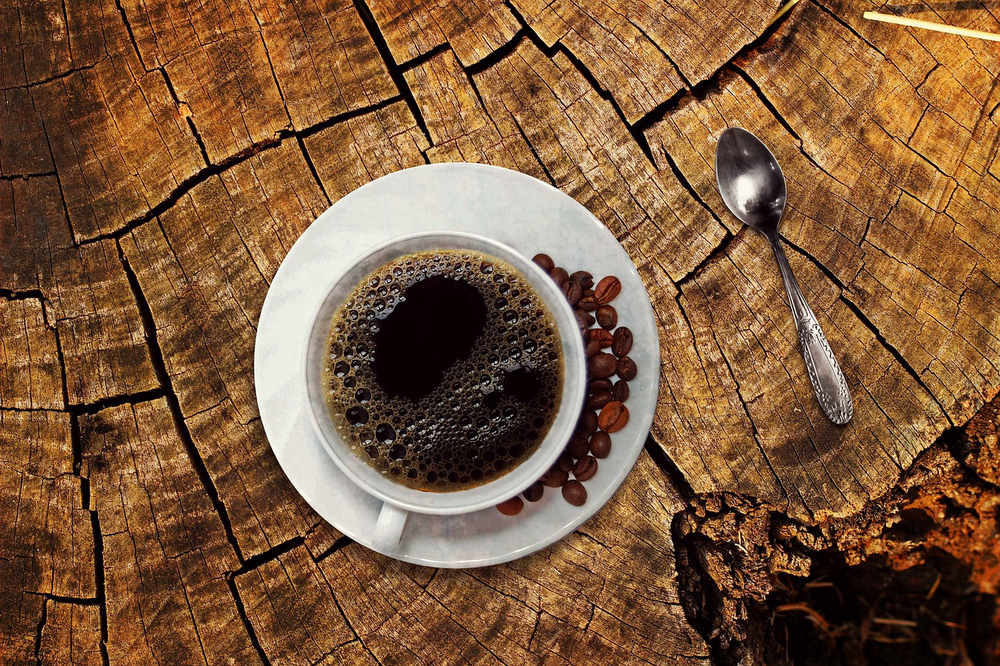
A single cup of coffee can trigger physical symptoms that mimic a panic attack in someone with health anxiety.
The threshold varies by individual, but research published in the Journal of Affective Disorders suggests that even moderate doses — roughly two to three cups of coffee — can significantly increase anxiety in people with panic disorder. If you do not want to quit completely, try cutting your intake in half, or switching to half-caff. Also pay attention to timing: caffeine can stay in your system for eight hours or longer, so an afternoon latte might be the reason you cannot settle down at bedtime.
Energy drinks are a concentrated risk
Energy drinks are not just coffee with a marketing budget. They often contain far more caffeine per ounce, along with sugar and other stimulants like taurine and guarana. A 16-ounce energy drink can pack 200 to 300 milligrams of caffeine — equivalent to two or three cups of strong coffee. Downing that in one go floods your system and can cause a sudden spike in heart rate, jitteriness, and what some experts call caffeine intoxication. For someone with health anxiety, this rush is the perfect trigger for a catastrophic thought spiral: palpitations may be interpreted as impending heart failure, and tightness in the chest as a respiratory emergency.
If you rely on energy drinks to get through the afternoon, consider swapping to a smaller portion, or opting for a beverage with less stimulant punch, such as green tea, which contains L-theanine — an amino acid that promotes calm without dulling alertness.
Alcohol: the deceptive depressant
It is common to reach for a glass of wine or a beer to "take the edge off" at the end of a long day. And yes, alcohol is a central nervous depressant — it initially slows brain activity, which can feel relaxing. But what goes down must come up. As your body metabolizes alcohol, it produces a rebound effect: your blood sugar can fluctuate, your sleep quality degrades, and your brain chemistry tries to rebalance itself, often overshooting into a state of heightened arousal. This is the phenomenon known as hangxiety — the spike in anxiety that follows a night of drinking.
For someone prone to health anxiety, the rebound is brutally effective. A racing heart, dehydration headache, and general malaise are all common the morning after. These sensations can easily be mistaken for signs of a serious illness, especially if you were drinking to cope with an existing worry. A 2019 study in the Journal of Clinical Psychopharmacology found that even moderate alcohol consumption increases anxiety levels in individuals with generalized anxiety disorder, and it is especially destabilizing for those focused on bodily symptoms.
Alcohol's sedative effect is temporary; the anxious rebound can last for hours or even a full day.
If you drink, the safest approach is to limit yourself to one standard drink per day for women and up to two for men, and to alternate each alcoholic beverage with a glass of water. This keeps you hydrated and slows the rate of absorption. Avoid drinking on an empty stomach, and if you notice that even one drink leaves you feeling wired or panicky the next day, it may be worth stepping back entirely for a few weeks to see how your baseline mood changes.
How to recognize if these drinks are affecting you
It can be hard to separate the cause from the effect when anxiety is already present. Here are a few concrete signs that coffee, energy drinks, or alcohol are playing a role in your health anxiety:
- You notice a pattern: elevated worry, palpitations, or tightness in the chest within 30 to 90 minutes of consuming caffeine or alcohol.
- You check your pulse or blood pressure repeatedly after drinking these beverages.
- You avoid sleep because you are anxious, but you rely on caffeine to function — a cycle that worsens both anxiety and your sensitivity to bodily sensations.
- You feel more anxious the morning after drinking, even if you had a small amount.
Keeping a simple log for one week can be eye-opening. Write down what you drink, how much, and how you feel an hour later. Many people discover that reducing or eliminating one of these triggers leads to a noticeable drop in both the frequency and intensity of anxious thoughts focused on their health.
Practical swaps for a calmer day
Adjusting your habits does not mean you have to live on plain water forever. Here are expert-backed alternatives that are less likely to stir up your nervous system:
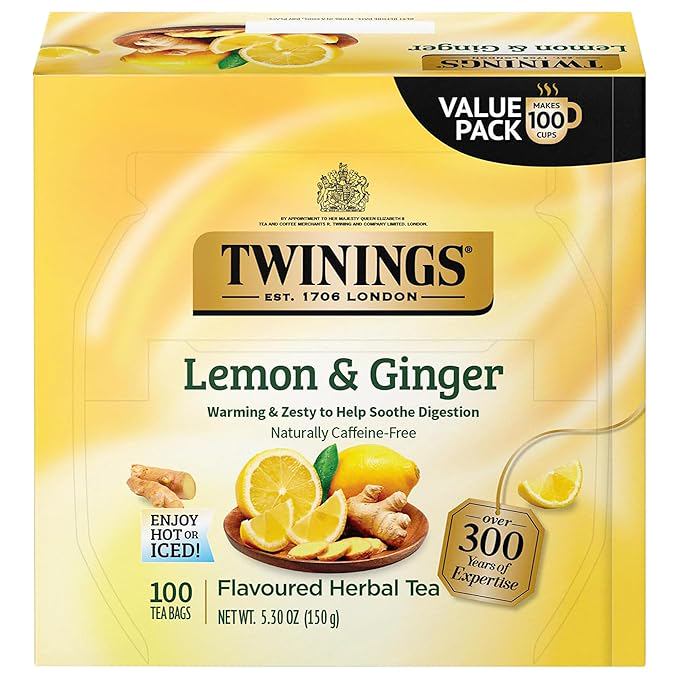
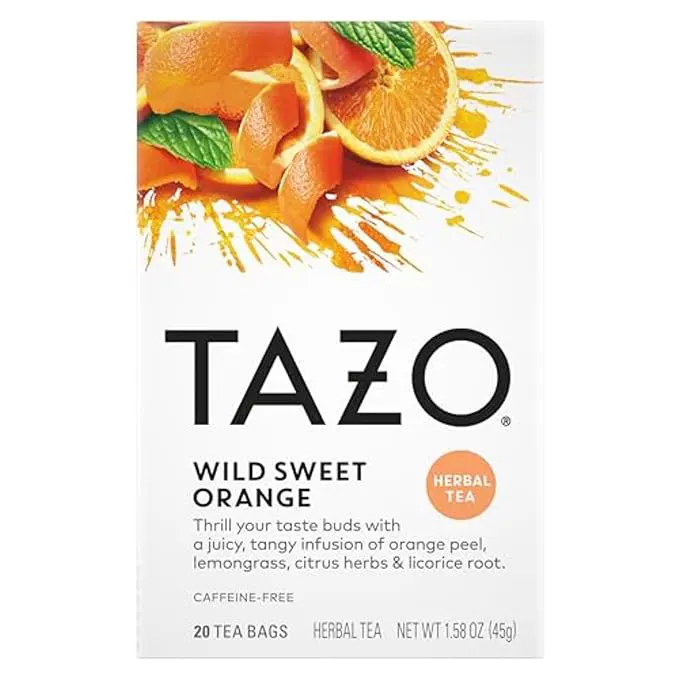
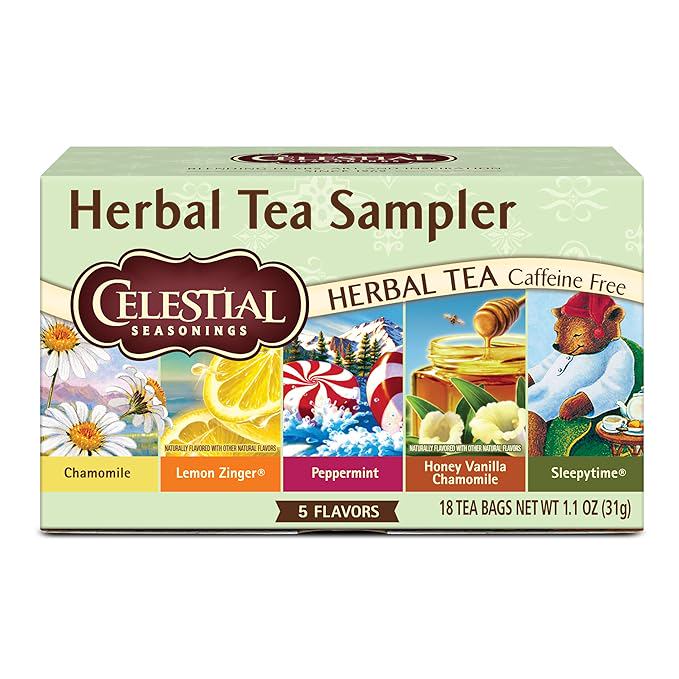
Instead of coffee: Try low-caffeine or caffeine-free herbal teas like chamomile, lemon balm, or rooibos. If you still want a warm, robust morning drink, try chicory root "coffee" — it has an earthy flavor and no caffeine. A small cup of green tea (about 30 mg of caffeine) can also provide a gentle lift without the jolt.
Instead of energy drinks: Kombucha has a small amount of caffeine from tea (usually under 20 mg per serving) and contains probiotics that support gut health, which is increasingly linked to mental wellness. Another option is sparkling water with a splash of tart cherry juice — it is hydrating, slightly sweet, and research suggests that tart cherry can support melatonin production and restful sleep.
Instead of alcohol: Try a mocktail made with sparkling water, fresh lime, and a sprig of mint. A "shrub" — a vinegar-based syrup mixed with soda — is another complex, satisfying choice that mimics the ritual of a cocktail without the depressant effects. If you want a drink that has a very low alcohol content (like near-beer or kombucha with trace alcohol), pay attention to how your body responds; even small amounts can provoke rebound anxiety in some people.
The key is not to make yourself anxious about what you drink. Rather, think of this as information: your body is giving you clues about how different substances interact with your nervous system. By tuning in and making small adjustments, you can reclaim a sense of calm without having to wonder "what is wrong with me."