
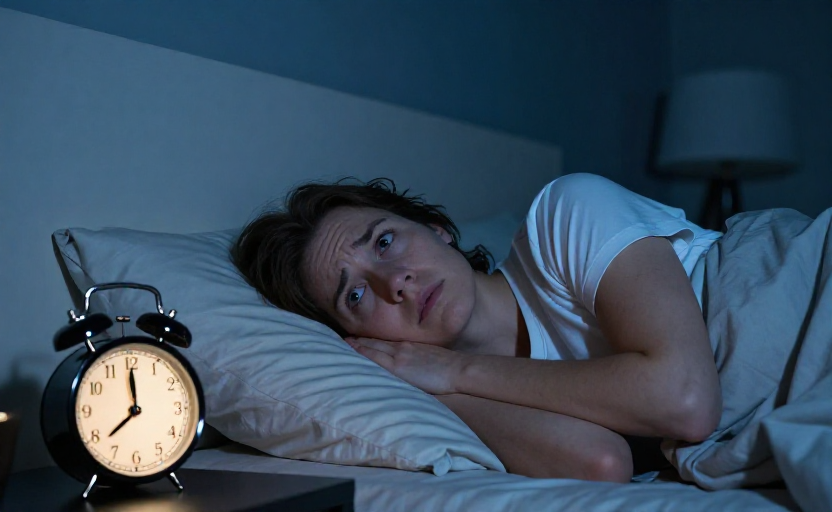
We all have nights when our minds refuse to settle. A deadline, a difficult conversation, or a lingering worry can keep us turning until dawn. But when does ordinary nighttime worry become something more serious? Occasional sleeplessness is a normal part of life, yet there is a clear line between temporary stress and a pattern that signals the need for professional support. Recognising that line is essential for protecting both your mental and physical health.
Persistent nighttime anxiety is not simply a bad habit—it can be a sign that your nervous system is struggling to regulate itself. The following five warning signs suggest that your worry has moved beyond the realm of self-help and into a territory where a qualified professional, such as a therapist or counsellor, can make a meaningful difference.
1. Your Worry Consumes More Than an Hour Before Sleep
It is normal to replay the day's events for ten or fifteen minutes as you lie down. But if your mind starts racing the moment your head hits the pillow, and that cycle of rumination stretches past the one-hour mark night after night, you are experiencing a disrupted sleep onset that is linked to generalised anxiety disorder. Research consistently shows that prolonged pre-sleep worry is one of the clearest early markers of clinical anxiety.
When worry becomes a nightly ritual that feels impossible to stop, it is no longer just stress—it is a pattern that may require professional techniques such as cognitive behavioural therapy (CBT) to break.
2. Physical Symptoms Accompany the Mental Spiral
Anxiety rarely stays in the mind. If your nighttime worry is accompanied by a pounding heart, shallow breathing, tightness in your chest, sweating, or a churning stomach, your body is in a state of heightened arousal. This is the fight-or-flight response activating when it should be powering down for rest. Over time, chronic activation of this system can lead to elevated cortisol levels, high blood pressure, and gastrointestinal problems.
Physical symptoms that occur regularly with worry are a strong signal that your nervous system needs more than a calming tea or a deep-breathing exercise. A healthcare professional can help you distinguish between a temporary stress response and an underlying anxiety disorder.
3. You Avoid Going to Bed Because of the Inevitable Worry
When the thought of lying down triggers a sense of dread because you already know your mind will begin racing, you have entered a cycle of anticipatory anxiety. This can lead to bedtime procrastination—staying up late scrolling through your phone, watching television, or working in an attempt to delay the uncomfortable mental experience. Unfortunately, this avoidance only worsens the problem by disrupting your circadian rhythm and increasing sleep debt.
If you find yourself routinely postponing sleep because you cannot face your own thoughts, it is time to seek guidance. Avoidance behaviours are a hallmark of several anxiety disorders and often respond well to structured therapy.
4. Your Daytime Functioning Is Noticeably Impaired
Sleep is not just rest; it is the period during which your brain consolidates memories, processes emotions, and resets for the next day. When nighttime worry steals your sleep, the effects show up in your waking hours. You may feel constantly fatigued, irritable, unable to concentrate, or prone to making mistakes at work or in daily tasks.
One of the defining criteria for many sleep and anxiety disorders is that they cause clinically significant distress or impairment in social, occupational, or other important areas of functioning. If your worry-filled nights are consistently making your days harder, then self-management strategies are no longer sufficient.
5. You Have Turned to Alcohol or Unprescribed Medications to Sleep
Using alcohol, over-the-counter sleep aids, or cannabis to quiet your mind before bed is a powerful red flag. While a glass of wine might help you fall asleep initially, alcohol fragments sleep later in the night and suppresses REM sleep—the stage crucial for emotional regulation. Similarly, relying on sedating antihistamines can lead to tolerance and dependence.
Using any substance specifically to manage nighttime worry suggests that your internal coping resources have been exhausted. A professional can help you develop sustainable, non-pharmacological strategies and, if appropriate, refer you for a formal evaluation of your sleep or anxiety symptoms.
It is important to remember that recognising these signs is not a sign of weakness. Seeking help for persistent nighttime worry is a proactive, courageous step. A qualified mental health professional can assess whether your symptoms meet the criteria for an anxiety disorder, an insomnia disorder, or another condition, and can guide you toward treatments that work—such as cognitive behavioural therapy for insomnia (CBT-I), mindfulness-based stress reduction, or, in some cases, prescribed medication under close supervision.
If you identify with two or more of these signs, consider scheduling an appointment with a primary care doctor or a licensed therapist. The earlier you intervene, the more quickly you can restore the natural rhythm of restful sleep.