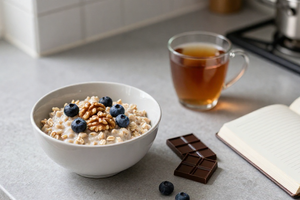
What to Eat When Existential Dread Strikes: A Dietitian's 3-Step Guide
When existential dread hits, food can help stabilize you. A dietitian shares a 3-step guide to eating for blood sugar, gut health, and cortisol balance.
Discover articles, guides, and practical insights for a healthier lifestyle.
When existential dread hits, food can help stabilize you. A dietitian shares a 3-step guide to eating for blood sugar, gut health, and cortisol balance.

Learn how a specific nighttime herbal tea—using ashwagandha, passionflower, chamomile, or holy basil—may help calm existential dread before bed by lowering cortisol and soothing the nervous system.
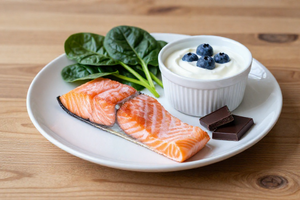
Learn which four foods can help you feel calmer in the morning and reduce panic attacks, plus how to build a breakfast that supports stable mood and low stress.

Learn how starting the day with caffeine on an empty stomach, skipping breakfast, or eating sugary foods can accidentally trigger or worsen panic attack symptoms.

Learn the three subtle physical cues—like sudden heart rate changes, temperature shifts, and tingling—that may signal a panic attack is coming. Grounding tips included.

Learn how to time your nap to avoid sleep inertia with expert-backed advice on power naps, 90-minute cycles, and practical steps to wake up refreshed.

Therapists share practical strategies to calm the gut-brain axis during stress—breathing, grounding, movement, and food choices that restore nervous system balance.
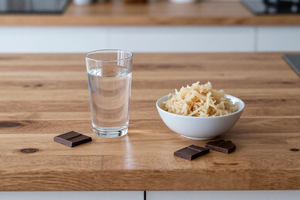
Three science-backed, gut-focused lifestyle habits that help regulate cortisol levels. No extreme diets—just simple daily adjustments for stress resilience.

Two everyday habits—passive scrolling and avoiding stillness—can quietly fuel existential dread. Learn how to recognize and shift them for a calmer mind.


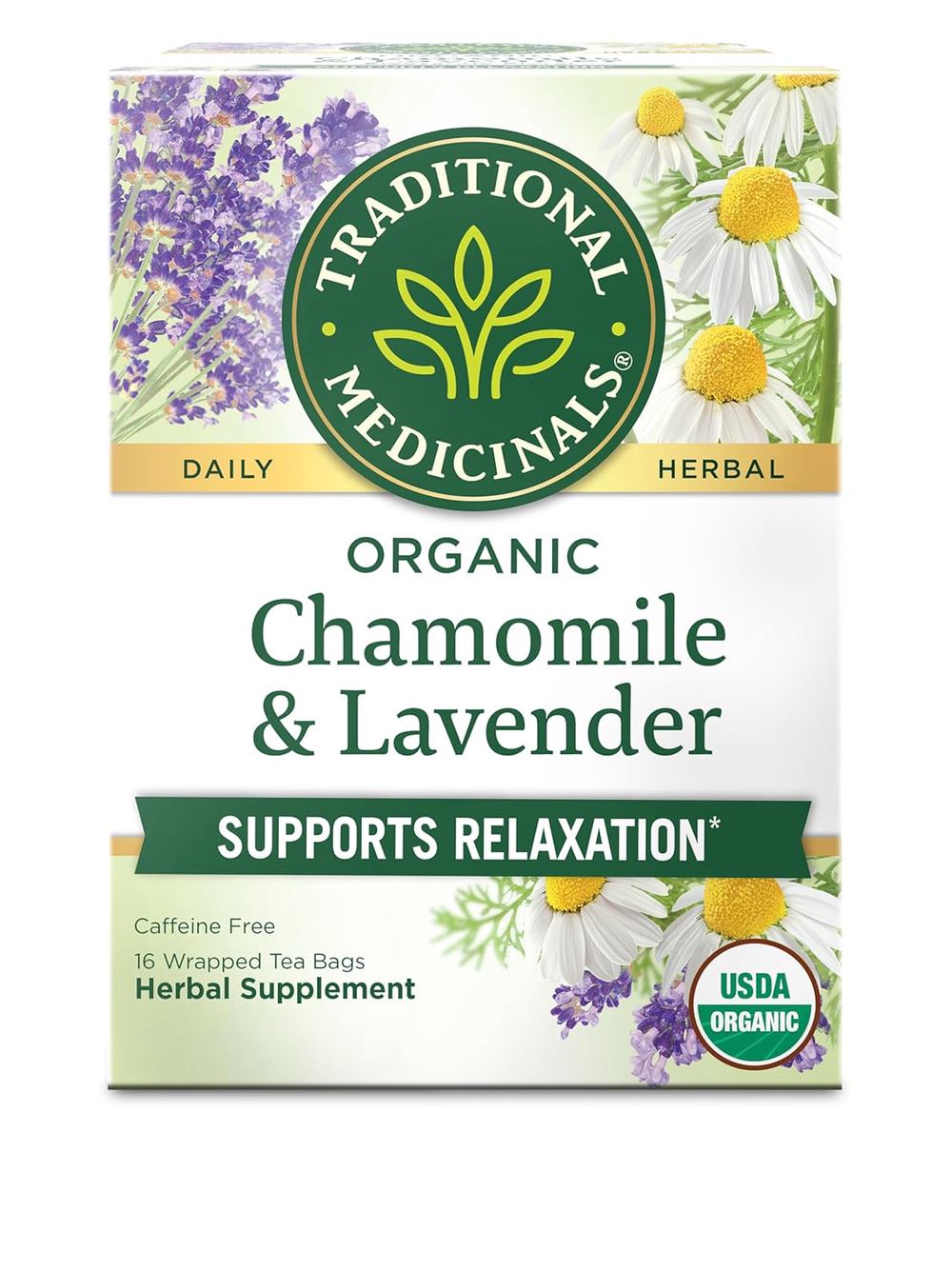
Traditional Medicinals Organic, Chamomile & Lavender - Chamomile Tea Supporting Stress Relief and Relaxation - Kosher, Non-GMO, Caffeine-Free, Compostable - 16 Tea Bags
Check it out
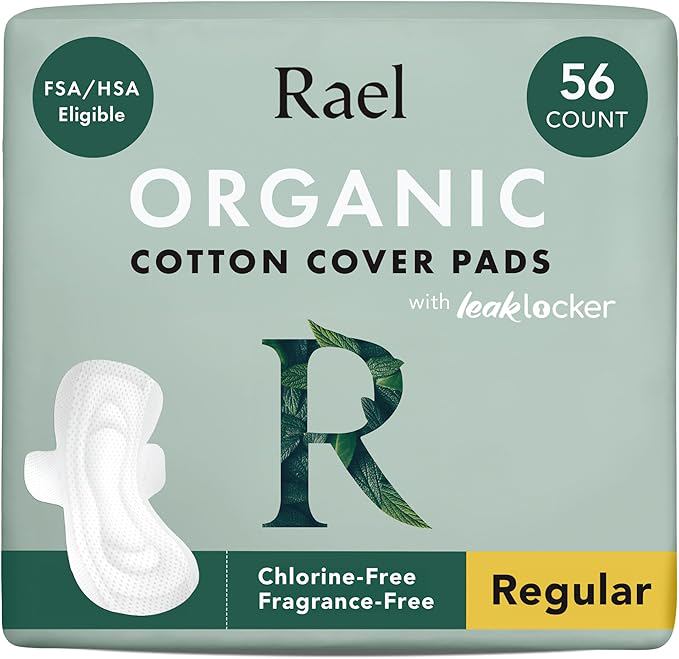
Rael Pads for Women, Organic Cotton Cover - Moderate Absorbency, Feminine Care, Ultra Thin, Sanitary Napkins with Wings, Unscented (Regular, 56 Total)
Check it out