When that familiar weight settles in your chest—the quiet hum of dread that asks "what's the point?"—reaching for food can feel futile or even indulgent. But nutrition plays a direct role in how your brain processes stress and uncertainty. As a dietitian focused on mood and mental wellness, I've seen that the right foods can act as a steadying hand when everything else feels shaky.
This isn't about a magical meal that erases existential dread. It's about a practical, three-step approach that uses food to stabilize blood sugar, support neurotransmitter production, and ground you in the present moment. Here is exactly what to eat when that wave of heaviness hits.
Step 1: Land Your Blood Sugar First
When dread spikes your cortisol and adrenaline, your liver releases stored glucose to fuel a "fight or flight" response. If you haven't eaten recently, this can cause blood sugar to rollercoaster—spiking high and then crashing low. A blood sugar crash mimics panic: shakiness, irritability, racing heart, and deepening anxiety. Before you can tackle existential questions, you need to pull your physiology back to baseline.
What to eat: A combination of protein, fat, and complex carbohydrate. This trio slows digestion and provides a steady release of glucose to the brain.
- Apple slices with peanut butter or almond butter (fiber and healthy fat stabilize the sugar from the apple)
- Plain full-fat Greek yogurt with a handful of berries and a sprinkle of hemp seeds (protein, fat, and low-glycemic carbs)
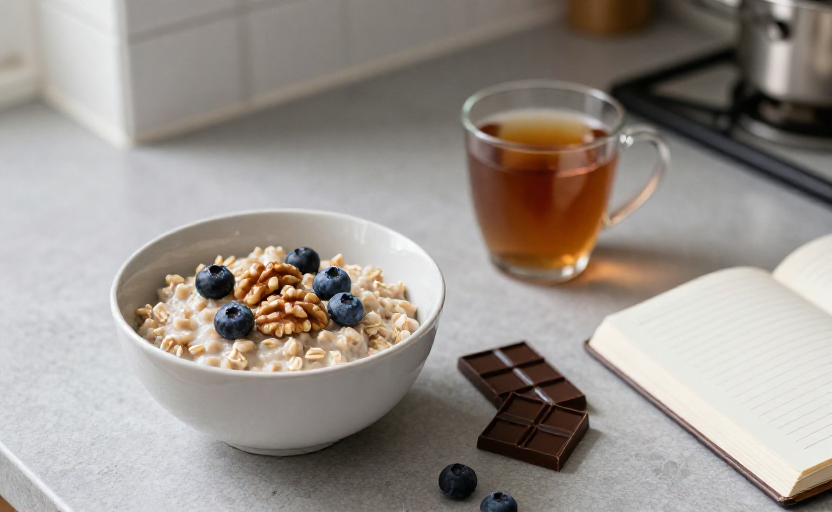
- A small bowl of oatmeal made with milk or an unsweetened nut milk, topped with walnuts and cinnamon (cinnamon can help with insulin sensitivity)
The goal is not to eat a huge meal—just enough to stop the physical feedback loop of a blood sugar crash that can make dread feel inescapable.
Step 2: Feed the Gut-Brain Highway
About 90% of your body's serotonin (the neurotransmitter that helps regulate mood and calm) is produced in your gut. Your gut microbiome communicates directly with your brain via the vagus nerve. When existential dread strikes, your gut often goes into fight-or-flight mode—slowing digestion, causing bloating, or sending odd hunger signals. Nourishing the microbiome is one of the most direct dietary interventions for stabilizing mood.
What to eat: Prebiotic fibers that feed healthy gut bacteria and fermented foods that introduce beneficial microbes.
- Sauerkraut or kimchi (a small forkful as a side—live cultures support gut diversity)
- Roasted asparagus or artichoke hearts with olive oil (rich in prebiotic inulin)
- A small glass of kombucha (low sugar varieties only—aim for under 5g sugar per serving)
- Ground flaxseed stirred into oatmeal or yogurt (fiber that supports butyrate production, linked to lower inflammation)
For immediate grounding, try a cup of chamomile or ginger tea after a meal. Warmth itself can stimulate the vagus nerve and encourage the "rest and digest" state.
Step 3: Use Nutrients That Downregulate Cortisol
Chronic or acute existential dread keeps cortisol elevated, which can disrupt sleep, appetite, and immune function. Several nutrients have been shown in research to help modulate the stress response. Instead of overwhelming yourself with supplements (which can be expensive and unregulated), focus on whole food sources of these key players.
Magnesium
Often called nature's relaxant, magnesium helps regulate the HPA axis (your central stress response system). Low magnesium levels are linked to increased anxiety and difficulty falling asleep.
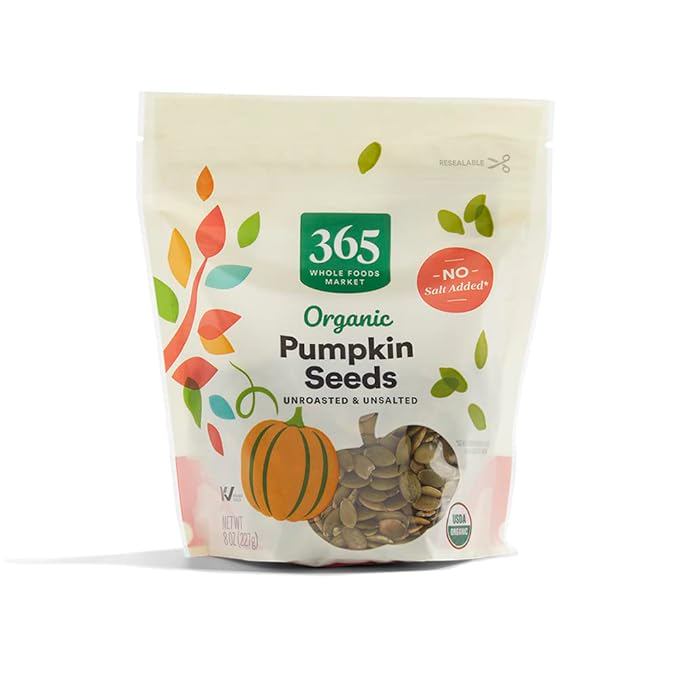
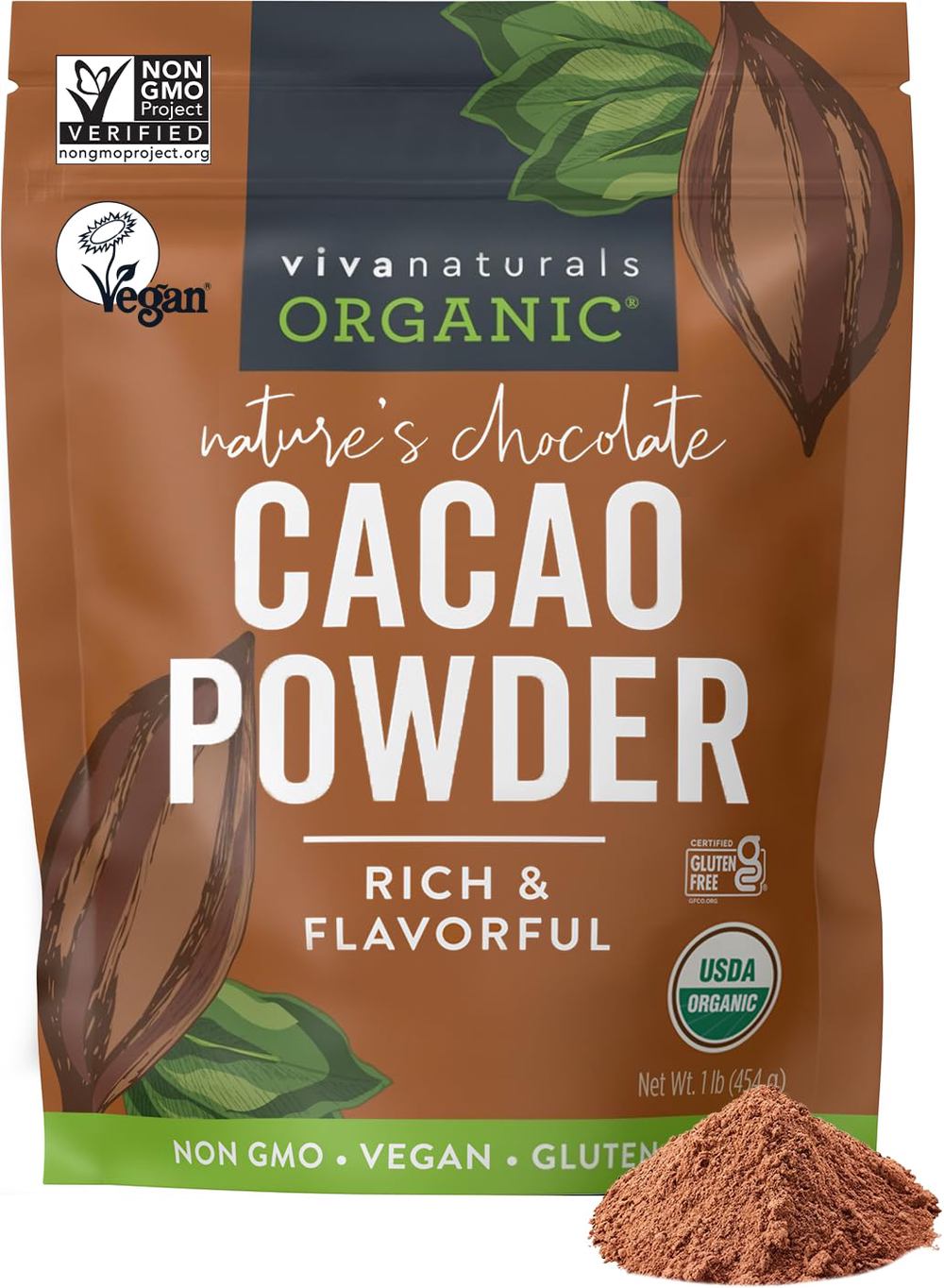
Foods: Pumpkin seeds, spinach, dark chocolate (70%+ cacao), black beans, almonds, avocado.
Omega-3 Fatty Acids (EPA & DHA)
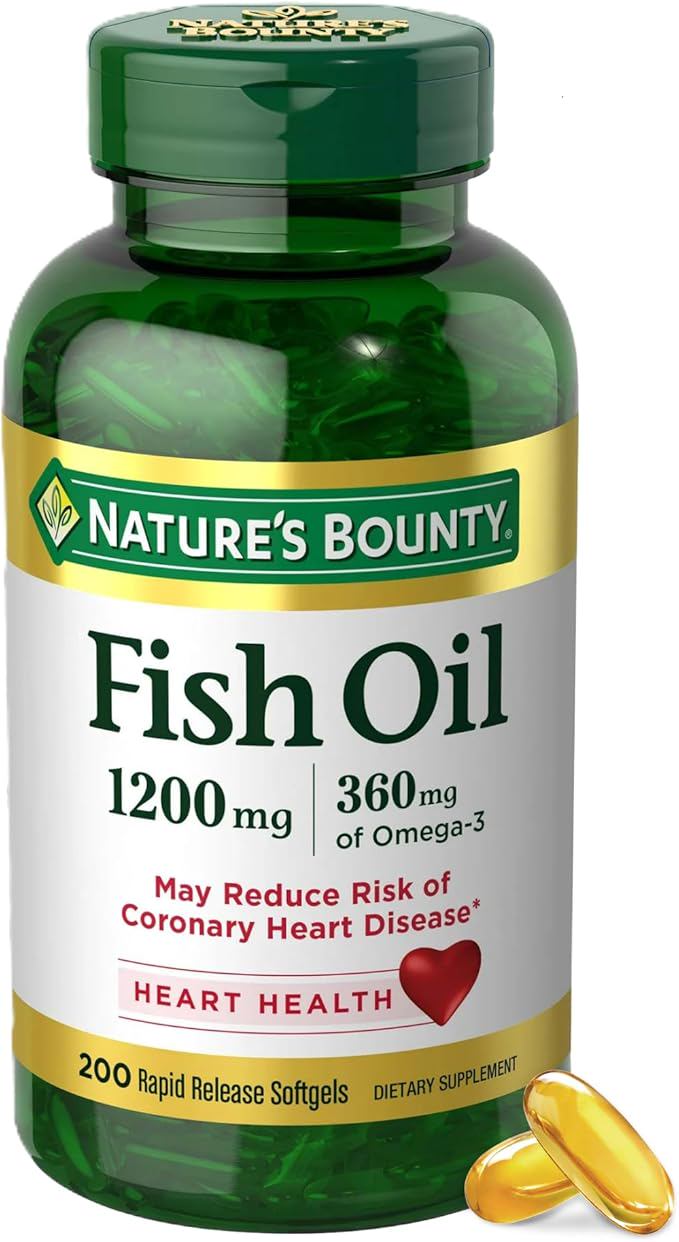
Omega-3s help lower inflammation in the brain and support the production of endocannabinoids, which can reduce the intensity of emotional pain. High-dose EPA has been studied for its mood-stabilizing effects.
Foods: Fatty fish like salmon, sardines, mackerel (aim for 2 servings per week). Walnuts, chia seeds, and flaxseeds provide ALA, which the body converts to EPA/DHA at a lower rate—consider them a secondary source.
B Vitamins (especially B6, B12, and Folate)
These are cofactors in the production of serotonin, dopamine, and GABA. A deficiency can blunt your ability to produce mood-regulating neurotransmitters.
Foods: Leafy greens (spinach, kale), lentils, chickpeas, nuts, seeds, eggs, and nutritional yeast (a great source of B12 for plant-based eaters).
A Sample Plate for a Dread-Filled Day
If you're too overwhelmed to plan, use this template for a single grounding meal:
- Base: A palm-sized portion of complex carb (quinoa, brown rice, or roasted sweet potato)
- Protein: Half a palm-sized portion of fatty fish, grilled chicken, or tofu
- Vegetables: Two fistfuls of leafy greens or roasted cruciferous veggies (kale, broccoli, Brussels sprouts)
- Fat: A drizzle of olive oil, a quarter of an avocado, or a tablespoon of pumpkin seeds
- Finisher: A square of dark chocolate (70%+) or a small handful of berries
Eat slowly, without screens, for at least 15 minutes. This simple act of mindfulness—chewing, tasting, noticing—can interrupt the loop of anxious thoughts and bring you back into your body.
When Food Isn't Enough
Existential dread that persists for weeks, disrupts daily life, or comes with suicidal thoughts requires professional support. Eating well is a powerful tool, but it's not a replacement for therapy, medication, or other medical treatments. Consider reaching out to a licensed mental health professional if the weight feels too heavy to carry alone.
But for those moments when the world feels off-kilter and you just need something to hang onto, these three steps—steady blood sugar, feed your gut, nourish cortisol-lowering nutrients—can make the difference between spiraling and stabilizing.