For many people, morning is the roughest time for anxiety. You wake up, the mind starts racing, and the body already feels on edge. What you reach for first — coffee, tea, a sugary pastry, or even nothing at all — can either settle your nervous system or throw it into overdrive. One particular breakfast habit is surprisingly common among people who struggle with panic attacks, and it often makes symptoms worse without them realizing it.
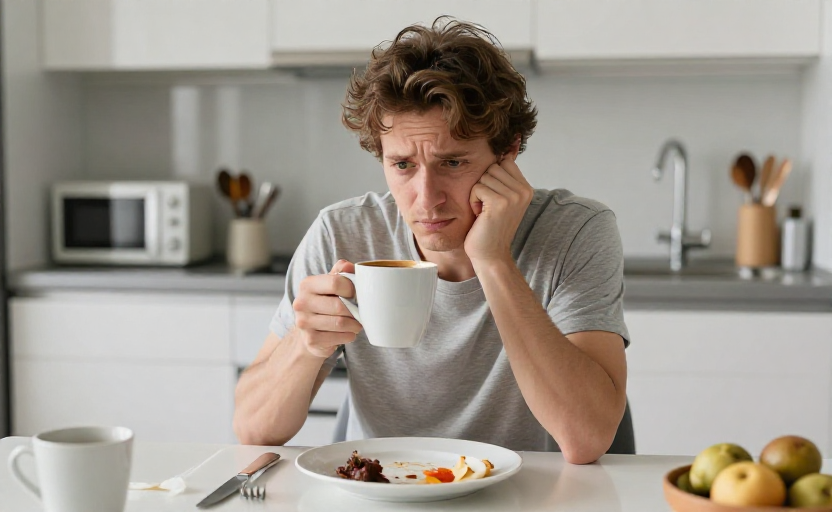
That habit is starting the day with a large dose of caffeine on an empty stomach, usually in the form of black coffee or an energy drink, sometimes paired with something sweet or with nothing else. If you have panic disorder or a tendency toward anxiety, this combination can trigger or intensify the very symptoms you are trying to avoid.
Why caffeine hits harder in the morning
Cortisol, your body's primary stress hormone, follows a natural daily rhythm. Levels peak roughly 30 to 45 minutes after waking. This is sometimes called the cortisol awakening response. When you add caffeine on top of that natural peak, you get a double dose of sympathetic nervous system activation — the fight-or-flight state. For someone prone to panic, this can feel like a sudden surge of dread, a racing heart, tightness in the chest, or the sensation of not being able to catch a full breath.
Drinking coffee or strong tea before eating anything means there is no food in the stomach to slow absorption. Caffeine enters the bloodstream quickly, blood sugar can drop sharply if you had a high-carb meal the night before, and the combination can produce physical sensations that mimic a panic attack. Many people interpret these sensations as genuine danger, which fuels more anxiety and creates a feedback loop.
Skipping breakfast entirely makes it worse
Some people skip breakfast altogether, either because they are not hungry in the morning or because they think intermittent fasting will help with weight or focus. For a person with a history of panic attacks, going hours without food can cause blood sugar to dip low enough to trigger symptoms like shakiness, dizziness, irritability, and a sense of confusion. These are nearly identical to the early warning signs of a panic attack. When your brain reads low blood sugar as a threat, it can launch a full panic response out of nowhere.
Low blood sugar can mimic a panic attack so closely that even experienced clinicians sometimes need to rule it out before making a diagnosis.
The most problematic breakfast pattern involves both caffeine and no food: a large coffee on an empty stomach, then nothing solid for several hours. This combination delivers a quick hit of stimulant effect followed by a potential blood sugar crash. The jitteriness from caffeine and the weakness from low blood sugar together can feel overwhelming, especially if you are already hyperaware of bodily sensations.
The role of sugar and refined carbs
Another common breakfast habit that backfires is eating something high in sugar or refined carbohydrates alone — a glazed doughnut, sweetened cereal, white toast with jam, or a store-bought breakfast bar. These foods cause a rapid spike in blood glucose, followed by an insulin surge that drives blood sugar down sharply within an hour or two. The resulting dip can set off the same cascade: trembling, sweating, heart palpitations, and a sense of doom. For someone with panic disorder, this is exactly the feeling that sends them into a spiral.
If you combine sugary food with caffeine, the effect is even more pronounced. Caffeine can amplify the release of adrenaline, and the sugar crash adds a second wave of physical distress. The morning becomes a rollercaster of stimulation and withdrawal, which is the opposite of the stability needed for anxiety management.
What a panic-friendly breakfast looks like
Stable blood sugar and a calm nervous system start with what you put in your body in the first hour of the day. A breakfast that works for someone prone to panic attacks usually includes three elements: protein, fiber, and a modest amount of healthy fat. These slow down digestion, smooth out blood sugar curves, and provide a steady release of energy.
- Eggs with vegetables or a slice of whole-grain toast
- Greek yogurt with berries and a sprinkle of nuts or seeds
- Oatmeal made with milk or plant-based protein, topped with nut butter
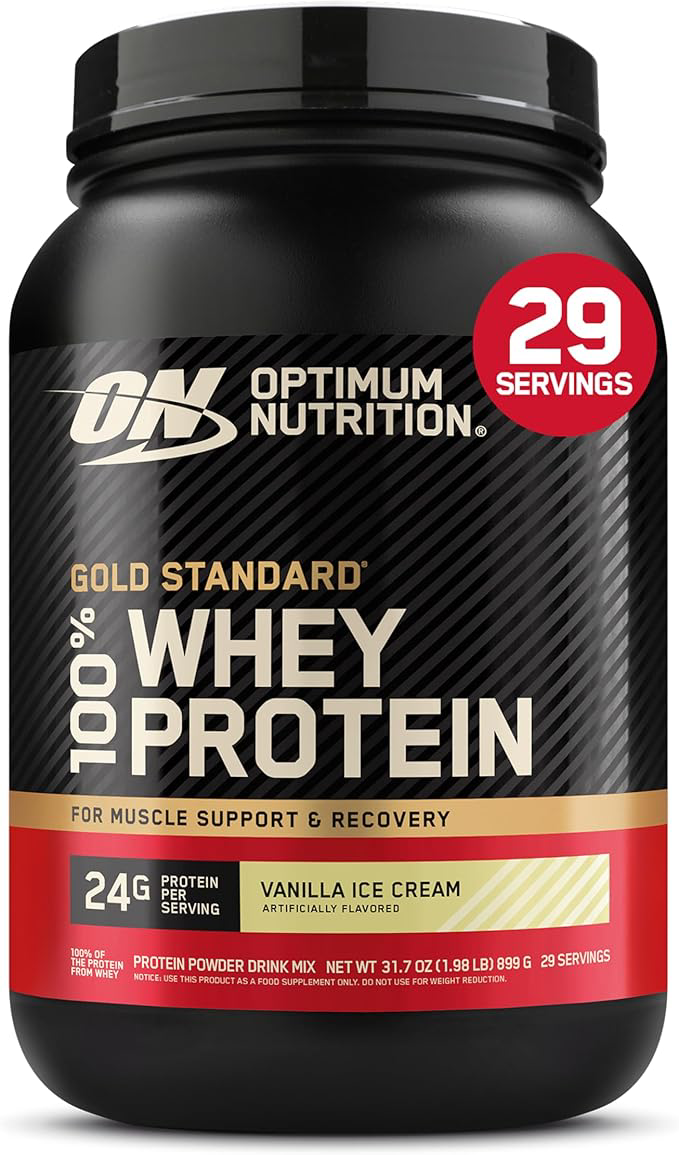
- A smoothie with protein powder, spinach, banana, and unsweetened almond milk
- Leftover dinner with lean protein and vegetables
If you cannot give up morning caffeine, having it after a solid meal rather than before can make a significant difference. Even a small amount of food — a handful of almonds, a hard-boiled egg, or a slice of cheese — before your coffee can blunt the sharp rise in cortisol and adrenaline. You do not need to eat a huge breakfast; the key is eating something with substance before the caffeine enters your system.
Hydration matters more than most people realize
Many people wake up mildly dehydrated, especially if they had alcohol the night before or slept in a warm room. Dehydration alone can produce symptoms like headache, fatigue, dry mouth, and a faster heartbeat — all of which can be mistaken for panic or can worsen an existing attack. Drinking a full glass of water before any caffeine or food can help reset baseline hydration. If you are prone to morning anxiety, keep a water bottle by your bed and drink it before you even stand up.
Small changes, noticeable relief
The goal is not to eliminate all caffeine or to force yourself to eat if you genuinely cannot. It is to recognize that the breakfast habits that feel normal — a quick coffee on the way out the door, a sugary pastry from the café, or nothing at all — can accidentally be triggering panic attacks or making them more intense. Shifting to a protein-rich breakfast, eating before caffeine, and staying hydrated are all low-risk adjustments that can produce a calmer morning and fewer episodes.
If you have been struggling with panic attacks and have not looked closely at your morning routine, that is a good place to start. Talk to a healthcare provider if symptoms persist, but often the simplest changes — what you eat and drink first thing — can take the edge off in a way that medication alone cannot.