There's a specific kind of restlessness that creeps in just as the lights go out. It isn't the ordinary stress of a busy day—it's the deeper, quieter hum of existential dread. You know the feeling: lying in the dark, suddenly asking big questions about purpose, mortality, and the meaning of it all. While a racing mind is never a good prelude to sleep, there is one simple, centuries-old tradition that may help quiet that loop: a carefully chosen cup of herbal tea.
Before we look at which herbs can help, it helps to understand what is happening in your brain. That feeling of dread is often tied to an overactive default mode network (DMN)—the part of the brain that ruminates on the past and worries about the future. Certain herbal compounds can gently encourage the nervous system to shift from 'fight or flight' into 'rest and digest,' making it easier to release those heavy thoughts.
Why a warm drink works differently at night
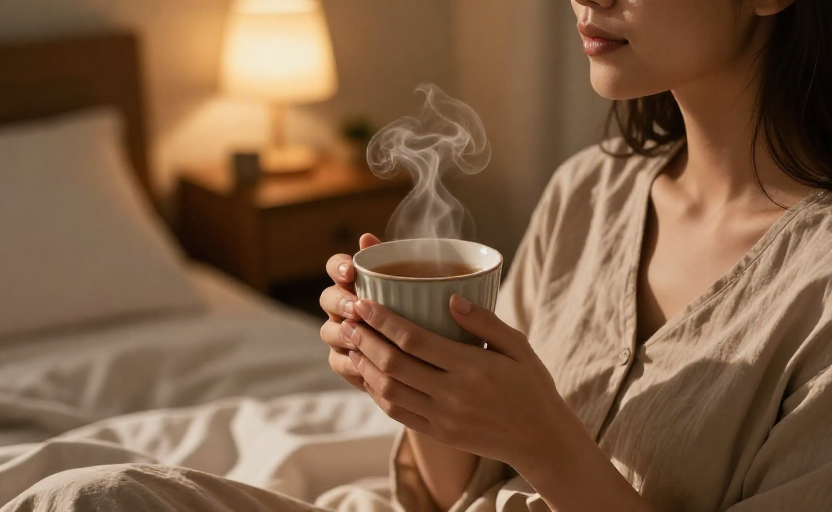
The ritual itself matters. The act of boiling water, steeping leaves, and holding a warm mug signals to your body that the active part of the day is over. But beyond the ritual, the specific phytochemicals in certain herbs have a measurable effect on cortisol (the stress hormone) and on GABA receptors, which are involved in calming neural activity.
Here are the herbs most often recommended for that specific kind of bedtime anxiety—the kind that feels philosophical, heavy, and hard to shake:
Ashwagandha: The cortisol regulator
This adaptogenic herb from the Ayurvedic tradition has earned its reputation for a reason. Ashwagandha works by lowering cortisol levels, which often spike during periods of chronic stress or anxiety. For someone lying awake wrestling with big fears, a cup of ashwagandha tea before bed may help take the edge off the physiological stress response, making it easier to let go of circular thoughts.
Passionflower: The nervous system soother
Passionflower has been studied for its ability to increase levels of GABA in the brain. Low GABA activity is associated with anxiety, restlessness, and an overactive mind. A warm cup of passionflower tea is often recommended for those moments when your thoughts feel like they're spinning out of control, particularly around existential themes.
“The goal isn't to numb the big questions, but to create enough calm in the nervous system that you can rest without being consumed by them.”
Holy basil (tulsi): The adaptogenic balancer
Holy basil is another adaptogen that helps the body manage stress more effectively. It has been shown to reduce cortisol and support the adrenal system. Many people find that tulsi tea creates a sense of grounded clarity rather than drowsiness—it quiets the mental noise without fogging your mind.
Chamomile: The gentle classic
Chamomile contains apigenin, an antioxidant that binds to benzodiazepine receptors in the brain, producing a mild sedative effect. It is one of the best-researched herbs for generalized anxiety and insomnia. For existential dread specifically, chamomile works best when you need something gentle that won't interfere with your ability to process feelings the next day.
How to build a bedtime tea ritual for mental stillness
Simply drinking tea won't erase deep questions about life, nor should it. The goal here is to create a nightly practice that helps your mind settle enough to rest. Consider these steps:
- Choose one herb, not a blend with caffeine. Stick with chamomile, passionflower, ashwagandha, or holy basil. Avoid green or black tea at night.
- Steep for 10 minutes. A longer steep time extracts more of the calming compounds. Cover your cup to keep the volatile oils from escaping.
- Drink 30 to 45 minutes before lights out. This gives your body time to absorb the compounds and for your nervous system to begin its wind-down.
- Pair it with a grounding practice. While you sip, try a simple breathing exercise—inhale for four counts, hold for four, exhale for six. This combination of the herbal compounds and controlled breathing works synergistically.
What about valerian root and brahmi?
Valerian root is powerful for sleep, but it can cause headaches or grogginess in some people. It is best reserved for nights when anxiety is acute and sleep feels impossible. Brahmi (bacopa monnieri) is more often used for cognitive clarity during the day, though it does have mild adaptogenic properties. For existential dread, the herbs listed above—ashwagandha, passionflower, holy basil, and chamomile—tend to offer the best balance of calming effects without unwanted drowsiness or next-day fogginess.
If you are currently taking medication for anxiety, depression, or any other condition, speak with your doctor before introducing herbal teas into your nightly routine—some herbs can interact with prescription drugs.
The bottom line
Existential dread before bed is a very human experience. While a cup of herbal tea won't answer life's biggest questions, it can create the physiological conditions for your mind to let go enough to rest. The right herb, prepared as part of a consistent nighttime ritual, may be the gentle bridge between a racing mind and a peaceful night's sleep.