You've been eating well, moving more, and sticking to your routine, yet the number on the scale stays stubbornly the same. It can be frustrating, but it doesn't mean progress has stopped. If you're losing inches or feeling stronger while your weight holds steady, you may be shedding visceral fat—the deep belly fat that wraps around your organs and is linked to higher health risks.
Visceral fat is metabolically active, meaning small losses can improve your health markers even if your total body weight doesn't drop. Traditional scales can't tell the difference between fat loss, muscle gain, or water retention. This is why tracking visceral fat loss requires a different set of tools and observations.
What Is Visceral Fat and Why Is It Hard to Track?
Visceral fat sits deep inside your abdominal cavity, surrounding your liver, pancreas, and intestines. Unlike subcutaneous fat (the pinchable kind under your skin), visceral fat doesn't always show up in a mirror or on a scale. It's also more responsive to lifestyle changes like dietary shifts, stress management, and consistent movement—but its reduction can be invisible without proper measurement.
Many people lose visceral fat before they lose visible weight. The scale won't budge because muscle is denser than fat. If you strength train while losing visceral fat, you might even gain lean mass, which masks fat loss on a standard scale.
The Most Reliable Ways to Measure Visceral Fat Loss at Home
You don't need a DEXA scan every week to track progress. Here are expert-backed methods that work in real life.
Waist Circumference and Waist-to-Hip Ratio
A simple tape measure is one of the most accurate home tools. Wrap it around your bare abdomen at the level of your belly button, just above your hip bone. A waist circumference reduction of even one inch often signals visceral fat loss, especially if your weight stays the same. The waist-to-hip ratio adds context by comparing your waist to your hips. A ratio above 0.9 for men or 0.85 for women suggests excess visceral fat, and a decreasing ratio is a clear win.
Body Fat Scales with Visceral Fat Estimation
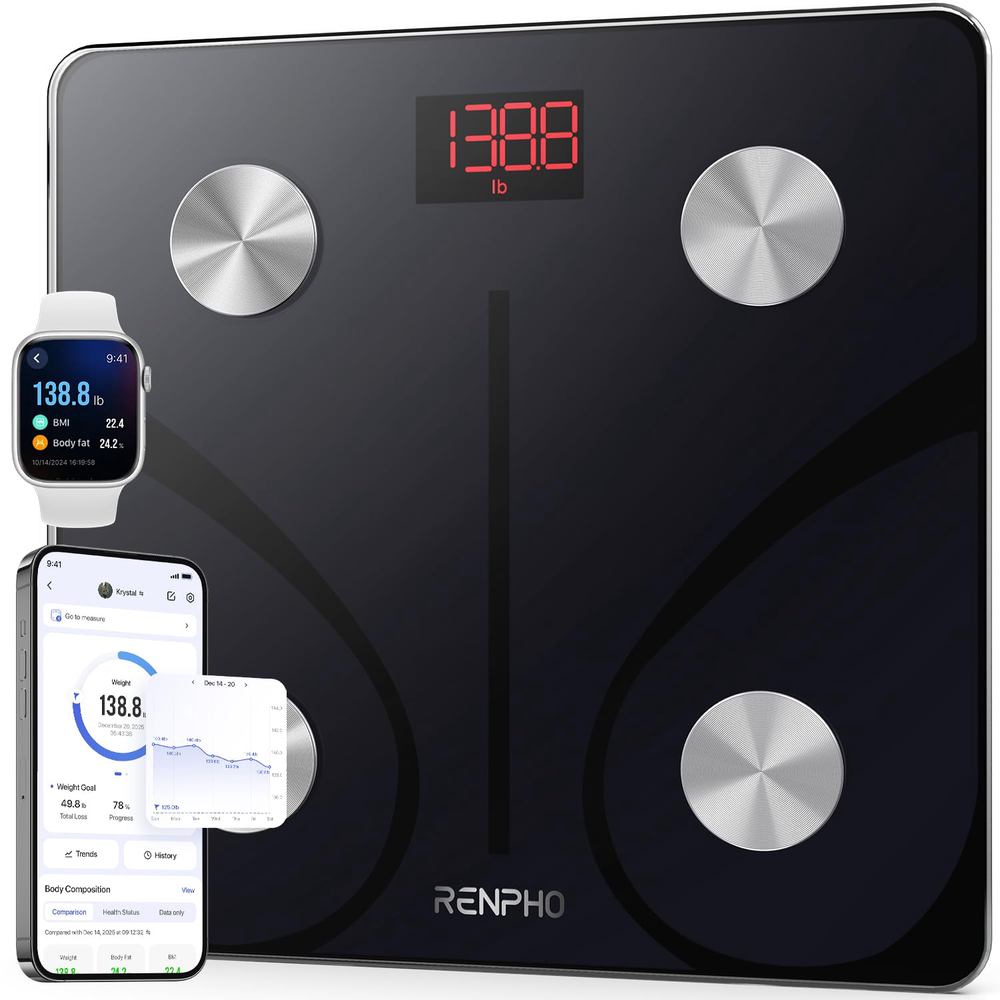
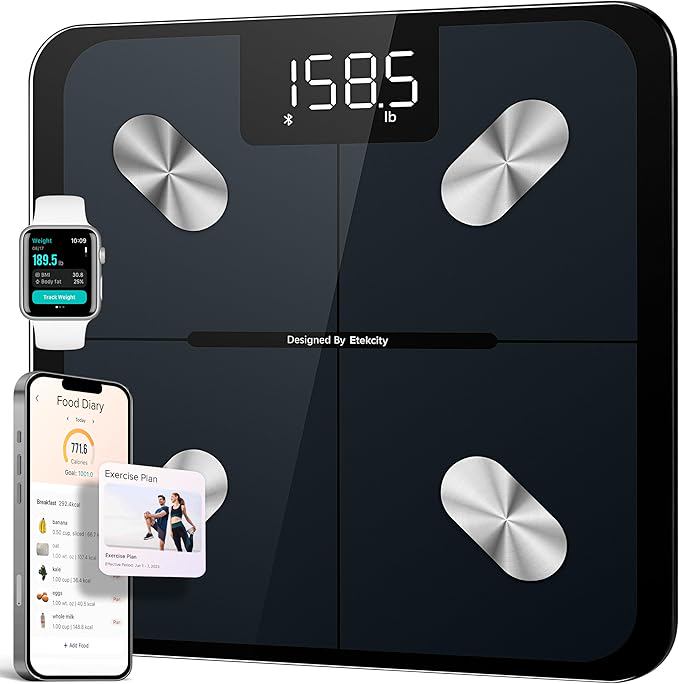
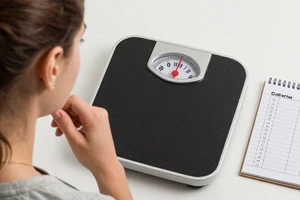
Some consumer smart scales use bioelectrical impedance analysis (BIA) to estimate visceral fat levels. They are not as precise as clinical methods, but they can reveal trends over time. Consistency matters: weigh at the same time of day, on the same surface, and under similar conditions (e.g., empty stomach, no water retention).
Smart Clothing or Wearable Scanners
Emerging consumer tech includes body composition scanners that use BIA or 3D imaging to track visceral fat estimates. These often pair with apps that chart your trend lines. While not medical devices, they can reinforce positive behavior when the number on the scale stays flat.
Tip: Take a photo every two weeks in the same lighting and clothing. Visual changes in your midsection often precede measurable weight loss.
What Else to Track When the Scale Doesn't Change
Scale weight is only one data point. If you're losing visceral fat, you may notice other improvements first.
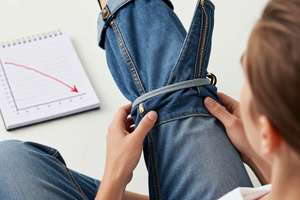
- Your belt or pants fit differently. Looser waistbands are a practical sign that your waist circumference is decreasing.
- Improved blood markers. Lower triglycerides, better fasting glucose, or a healthier HDL-to-LDL ratio often accompany visceral fat reduction. These you can track with regular lab work.
- Less brain fog and better mood. Visceral fat is inflammatory; losing it can reduce systemic inflammation, which may improve mental clarity and emotional evenness.
- Deeper, more restorative sleep. Excess visceral fat is linked to sleep apnea and poor sleep quality. As it declines, sleep often improves.
Expert-Backed Strategies That Target Visceral Fat
Targeting visceral fat isn't about spot reduction—it's about overall metabolic health. Here's what consistently works, according to research and fitness professionals.
Prioritize Sleep and Stress Management
High cortisol levels, which rise with chronic stress and poor sleep, signal your body to store visceral fat. Seven to nine hours of quality sleep per night and daily stress-reduction practices—like deep breathing, meditation, or a short walk—can lower cortisol and encourage visceral fat loss.
Eat Enough Protein and Fiber
Protein supports muscle maintenance during a calorie deficit, and fiber from vegetables, legumes, and whole grains helps regulate blood sugar and reduce appetite. Both nutrients are correlated with lower visceral fat in clinical trials.
Incorporate High-Intensity Interval Training (HIIT) and Strength Training
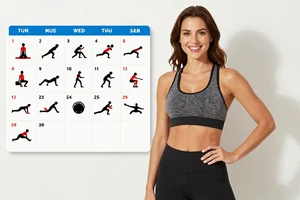
HIIT has been shown to reduce visceral fat more efficiently than steady-state cardio in some studies. Strength training builds lean mass, which boosts resting metabolism and makes it more likely that any weight loss comes from fat, not muscle. Yoga can also help: its combination of strength, flexibility, and breath work reduces stress while building functional muscle.
When to Check Your Progress
Measurements and indicators shift slowly. Check your waist circumference every two to four weeks, not daily. Blood tests every three to six months can confirm metabolic improvements. If you use a BIA scale or wearable, review the trend line over 8–12 weeks rather than fretting over daily fluctuations.
Ultimately, if your pants fit looser, your energy is higher, and your blood work looks better—you're headed in the right direction. You don't need the scale to tell you that.