When every minute counts and you still want to eat for your heart, a grain bowl is one of the quickest, most forgiving meals you can build. The concept is simple: start with a whole grain, add protein, pile on vegetables, drizzle with a smart dressing, and finish with a little crunch or creaminess. Done in ten minutes flat, it's a meal that supports cardiovascular health without demanding much from your schedule.
Below is a flexible framework you can adapt based on what's in your fridge or pantry. The goal is to keep saturated fat low, fiber high, and sodium in check while maximizing flavor and color. No rigid recipes here — just a handful of smart choices that add up to a bowl that's good for your heart and genuinely satisfying.
Choose a Whole-Grain Base
Start with a grain that's minimally processed. Whole grains retain their bran and germ, which means they deliver more fiber, B vitamins, and minerals than refined alternatives. Fiber is particularly important for heart health because it helps lower LDL cholesterol and keeps blood sugar steady.
For a 10-minute timeline, opt for grains that cook quickly or can be used pre-cooked:
- Quick-cook oats (not instant with added sugar) — cook in about 5 minutes and work well for a savory bowl with a soft, porridge-like texture.
- Pre-cooked quinoa or brown rice — many stores sell frozen or shelf-stable pouches that microwave in 90 seconds. Keep a few on hand so you're never without a base.
- Buckwheat groats or fine bulgur — both cook in under 10 minutes and offer a nutty, hearty bite. Rinse bulgur before cooking to remove excess starch.
Portion about ½ cup of cooked grain per bowl. This gives you enough heft to feel satisfied without overloading on carbohydrates.
Add a Lean or Plant-Based Protein
Protein helps keep you full and supports muscle maintenance, but the type you choose matters for heart health. Aim for options low in saturated fat and sodium.
Good picks for a fast bowl:
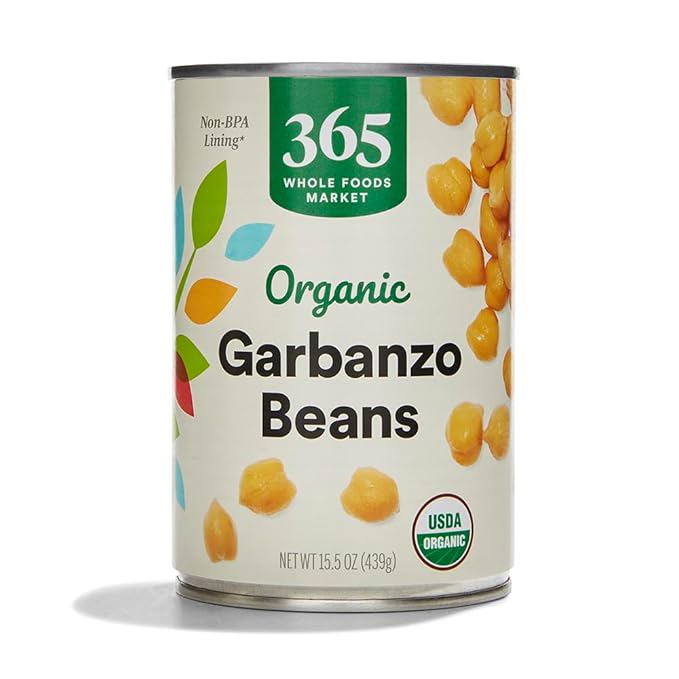
- Canned chickpeas or lentils — rinse them well to cut sodium by about 40%. Warm them in a pan or microwave while your grain cooks.
- Shredded rotisserie chicken breast (skin removed) — pull the meat apart and warm briefly. Chicken breast is lean and takes well to almost any seasoning.
- Smoked tofu or edamame — both are quick (no cooking required beyond heating) and provide a good dose of plant protein. Look for edamame in the frozen aisle; thaw under warm water.
- Canned salmon or sardines — packed with omega-3 fatty acids, which support heart health. Choose versions packed in water, not oil, to keep calories and saturated fat in check.
Shoot for about 3 to 4 ounces of protein per bowl. If using legumes, go for ½ to ¾ cup.
Pile On Vegetables for Volume and Nutrients
Vegetables add vitamins, antioxidants, and a lot of volume for very few calories. For heart health, you want a variety of colors: dark leafy greens, red or orange produce, and cruciferous vegetables all bring different protective compounds.
In 10 minutes, you can prep vegetables without cooking:
- Fresh spinach or arugula — simply rinse and toss in. They wilt slightly from the heat of the grain and protein, making them easier to eat.
- Shredded carrots, red cabbage, or zucchini — a box grater or mandoline turns them into quick slaw. No need to cook.
- Cucumber, bell pepper, cherry tomatoes — chop and add raw for crunch and freshness.
- Roasted vegetables from the fridge — leftover roasted sweet potato, bell peppers, or broccoli are perfect. If you don't have them, try microwaving frozen edamame or broccoli florets for 2–3 minutes.
Aim for at least 2 cups of vegetables per bowl. That might look like a handful of spinach, half a shredded carrot, a few cherry tomatoes, and half a cucumber, chopped.
Include a Healthy Fat for Absorption and Flavor
Fat isn't the enemy — it helps your body absorb fat-soluble vitamins (A, D, E, K) and adds richness. The key is to choose unsaturated fats and use them in modest amounts.
Quick options:
- Avocado — slice or mash half an avocado on top. It provides monounsaturated fat and potassium, which supports healthy blood pressure.
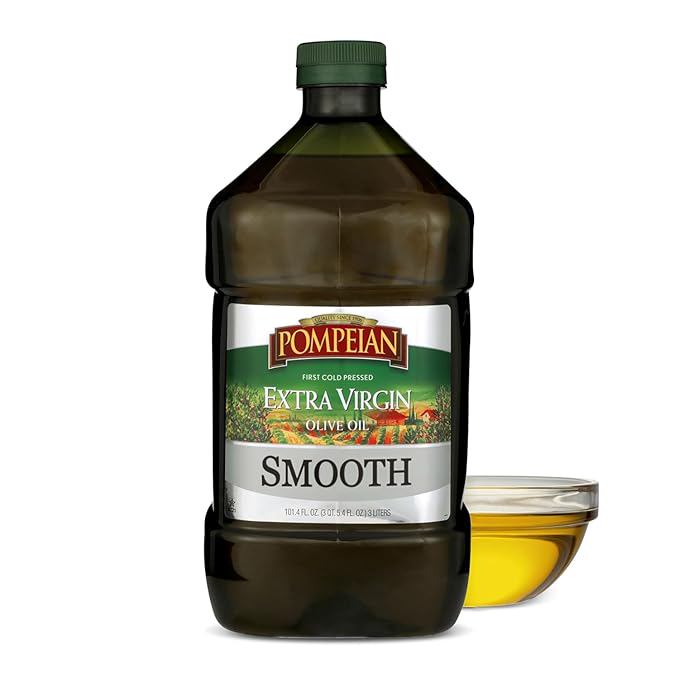
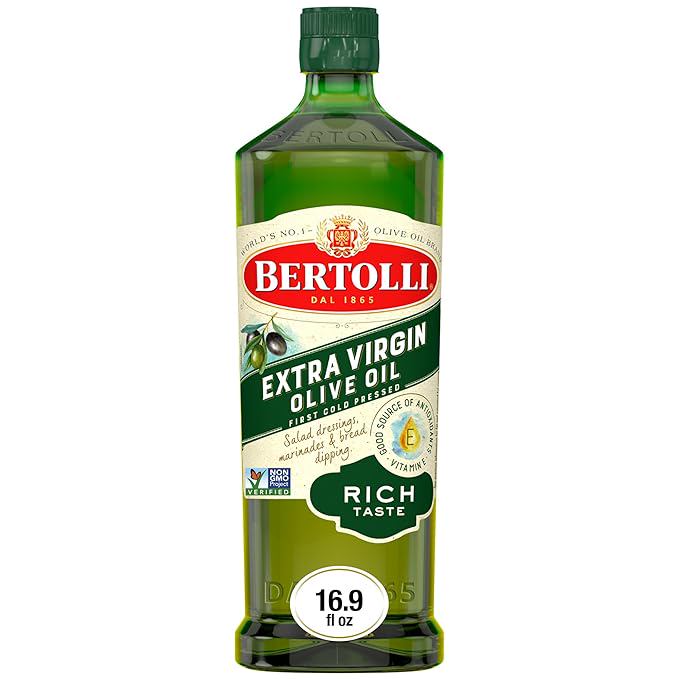
- Olive oil — drizzle a teaspoon or two over the finished bowl. Extra-virgin olive oil adds polyphenols, which have anti-inflammatory effects.
- Nuts or seeds — a small handful of walnuts, almonds, pumpkin seeds, or hemp hearts brings crunch and omega-3s. Toast them in a dry pan for 2 minutes if you want extra flavor.
- Tahini or nut butter — a thin drizzle works as a dressing. Mix with a little lemon juice and water to thin it.
Keep the fat to about 1 to 2 tablespoons of oil, half an avocado, or a small handful of nuts.
Pick a Low-Sodium Dressing or Sauce
Many bottled dressings and sauces are loaded with added sugar and sodium. A simple vinaigrette or yogurt-based sauce takes two minutes and lets you control what goes in.
Two fast dressings that work with almost any bowl:
- Lemon-tahini dressing: whisk 2 tablespoons tahini, 2 tablespoons lemon juice, 1 tablespoon water, a pinch of black pepper, and a tiny pinch of salt. Add more water if needed for a pourable consistency.
- Herb yogurt sauce: mix ¼ cup plain Greek yogurt (low-fat or full-fat), 1 tablespoon lemon juice, 1 small clove garlic (minced), and a handful of chopped fresh herbs (parsley, dill, mint). No salt needed if you use herbs for flavor.
If you use a store-bought dressing, look for options with no more than 140 mg sodium per serving and check that the first ingredient is oil, yogurt, or vinegar — not sugar or water.
Assemble in Under 2 Minutes
Layering matters for texture and temperature. Here's a quick assembly order that keeps the bowl from turning soggy:
- Grain base (warm or room temperature).
- Protein (warm or room temperature).
- Leafy greens (fresh).
- Chopped vegetables and any leftover roasted veggies.
- Drizzle of dressing.
- Topping: avocado, nuts, seeds, or a sprinkle of red pepper flakes.
That's it — the whole process, from gathering ingredients to sitting down to eat, should take about 10 minutes. Make a double batch of grain and protein at the start of the week, and you can shave that down to five.
A heart-healthy grain bowl doesn't need exotic ingredients or elaborate steps. It's really about balancing fiber-rich grains, lean protein, colorful vegetables, and smart fats in a single bowl. Once you get the hang of it, you'll find yourself making it on autopilot — and your heart will thank you for it.