When you’re eating fewer calories to lose weight, the rules of hydration shift. It’s not just about thirst—it’s about how your body processes nutrients, flushes waste, and maintains energy when the fuel tank is running on less. You might wonder if gulping down extra water can help curb hunger or if your usual glass count still applies.
The short answer: yes, your water needs often increase slightly during a calorie deficit, but not because water itself burns fat. It’s because the body’s metabolic byproducts change, water content in food drops, and subtle dehydration can masquerade as fatigue or cravings. Here’s what to know.
Why a calorie deficit changes your water requirements
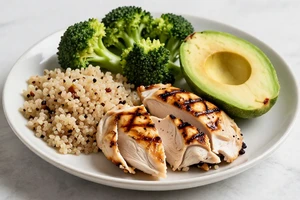
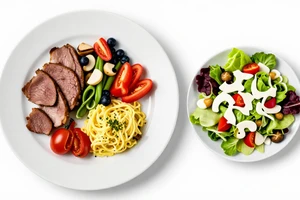
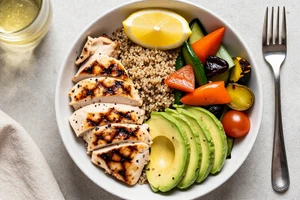
When you reduce calories, you typically eat less food volume—and a significant chunk of your daily water intake usually comes from food. Fruits, vegetables, soups, and even cooked grains contain water. On a standard diet, food provides roughly 20–30% of total water intake. When portions shrink, that percentage drops, so you need to make up the difference by drinking more.
There’s also a metabolic effect. As the body breaks down stored fat for energy, it produces ketones (in small amounts even on a non-keto diet) and other waste compounds that require water for excretion through urine and sweat. Ketones are acidic, and the kidneys need extra water to help flush them out and maintain your body’s pH balance.
General guidelines versus your actual needs
The classic “eight 8-ounce glasses a day” (about 1.9 liters) is a reasonable starting point for a sedentary person, but it was never a precise prescription. The National Academies of Sciences, Engineering, and Medicine suggest a total daily water intake of about 3.7 liters for men and 2.7 liters for women from all beverages and foods. On a calorie deficit, aiming for the upper end of that range (or adding 1–2 cups beyond your usual) is sensible for most people.
In practice, your personal number depends on body size, activity level, climate, and how much water-rich produce you’re still eating. A better approach: pay attention to urine color. Pale yellow (like lemonade) signals good hydration. Dark yellow or amber means you’re falling behind.
Thirst is a late signal. By the time you feel it, you may already be down a cup or more. On a calorie deficit, even mild dehydration can amplify hunger sensations because the brain sometimes misinterprets thirst as a need for food.
Can water really help control appetite?
Drinking a glass of water before a meal may create a temporary feeling of fullness in the stomach, which can lead to eating slightly less at that meal. Some studies show that people who drink about 500 ml (roughly 17 ounces) of water half an hour before a meal consume fewer calories. The effect is modest but real—it’s physical distension, not a magic metabolic switch.
What water cannot do: increase the rate of fat burning. There’s a persistent idea that drinking cold water forces the body to burn extra calories to warm it up. The energy cost is negligible—about 4–7 calories per glass of ice water—and far too small to matter in a weight-loss plan. Don’t rely on water for thermogenesis.
The relationship between water and electrolyte balance
When you eat fewer calories, you also consume less sodium, potassium, and magnesium in many cases—especially if you cut out processed snacks and convenience foods. If you then increase water intake significantly without replenishing electrolytes, you risk diluting your blood sodium levels (hyponatremia), which can cause headaches, fatigue, and nausea.
This doesn’t mean you need sports drinks. Most people on a calorie deficit get enough electrolytes from vegetables, nuts, seeds, and the occasional pinch of salt on food. If you’re exercising heavily or sweating a lot, adding a pinch of sea salt or a squeeze of lemon to your water can help maintain balance.
Signs you might not be drinking enough
- Exercise feels harder than usual, and your recovery seems slower
- Your skin stays tented when gently pinched (poor skin turgor)
- You experience frequent headaches, especially later in the day
- Urine is consistently dark or low in volume
- Cravings hit hard between meals—especially for salty or sweet foods
Practical ways to meet your fluid target without force-drinking
Structuring your fluid intake throughout the day works better than chugging large amounts at once. Keep a reusable bottle on your desk or in your bag. Infuse plain water with cucumber slices, mint, berries, or a splash of citrus to make it more appealing without adding sugar.
Herbal teas (caffeine-free or low-caffeine) count toward your total. So do vegetable-based broths and sparkling water. The goal is consistent, steady intake, not a marathon session at the water cooler.
What about caffeine and diuretics?
Coffee and black tea are mild diuretics, but for habitual drinkers, the net effect on hydration is neutral—the fluid in the beverage largely offsets the slight water loss. If you’re concerned, just avoid drastic changes in caffeine intake while you’re adjusting your calorie level. As long as your total fluid consumption is adequate, moderate caffeine doesn’t work against you.
Final perspective
There’s no magic number for everyone, but a practical target on a calorie-deficit diet is roughly 2.5 to 3.5 liters of total fluid per day for most adults, adjusted for sweating and thirst. Let urine color be your daily guide. And remember: water supports the process—it doesn’t replace the fundamentals of energy balance, protein intake, and consistent sleep.