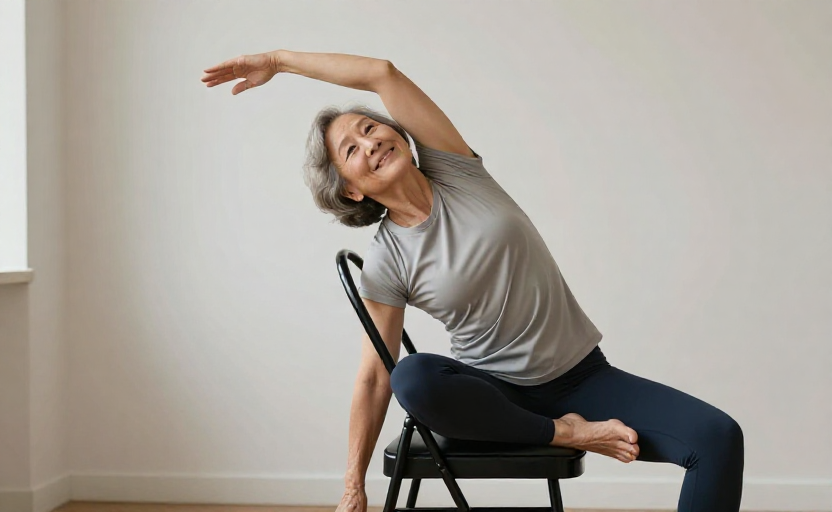
For many older adults, the idea of starting or returning to yoga can feel daunting. The images of complex poses and flexible bodies might seem like a distant reality when joints ache with arthritis or feel stiff in the morning. Yet, the core principles of yoga—gentle movement, mindful breathing, and compassionate awareness—are perhaps more accessible and beneficial now than ever. The key isn't forcing your body into a shape, but skillfully adapting the practice to meet you exactly where you are.
This approach, guided by expert recommendations from physical therapists and senior yoga specialists, focuses on honoring your body's current needs. It's about finding ease, maintaining range of motion, and cultivating a sense of well-being, all while prioritizing safety and joint comfort. The following modifications aren't a step down from "real" yoga; they are the intelligent, sustainable heart of a practice that can support you for years to come.
Foundational Principles for a Safe Practice
Before exploring specific poses, establishing a few ground rules creates a safe container for your practice. The primary goal shifts from achieving a perfect alignment to feeling better when you finish than when you started.
First, warmth is your ally. A few minutes of gentle movement before you begin your poses—simple neck rolls, shoulder shrugs, ankle circles, or marching in place—can increase circulation to the joints and make movement feel smoother. Think of it as preparing the body for action.
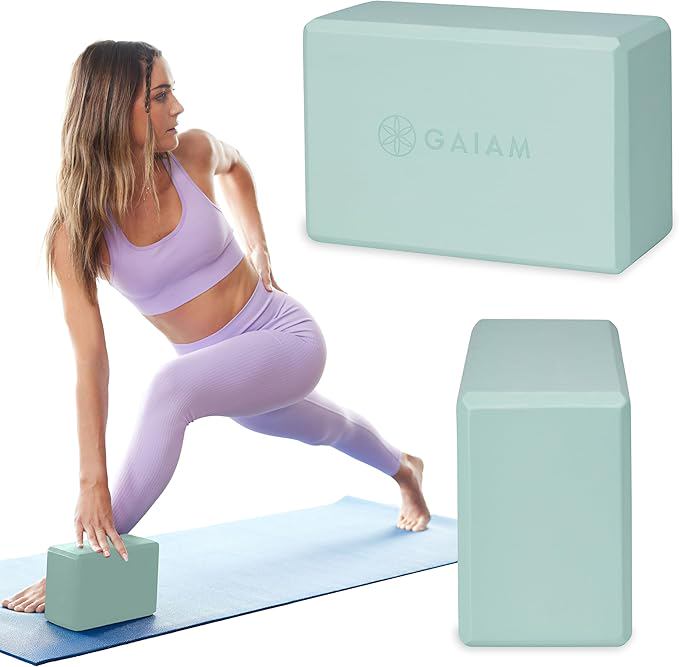
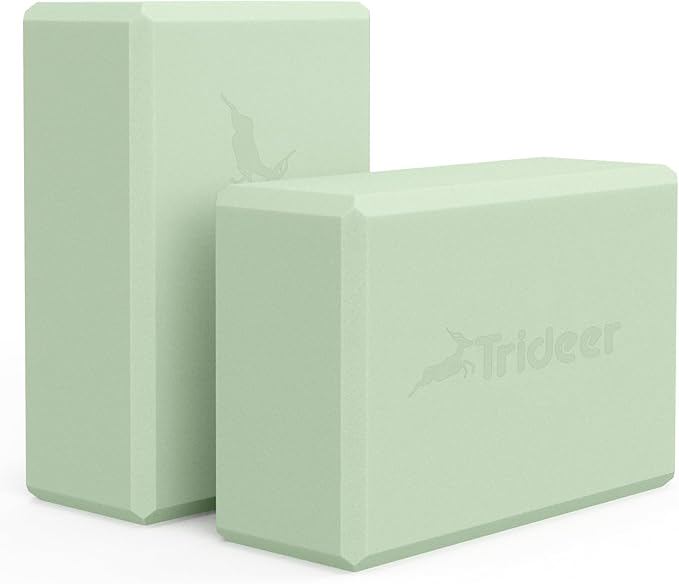
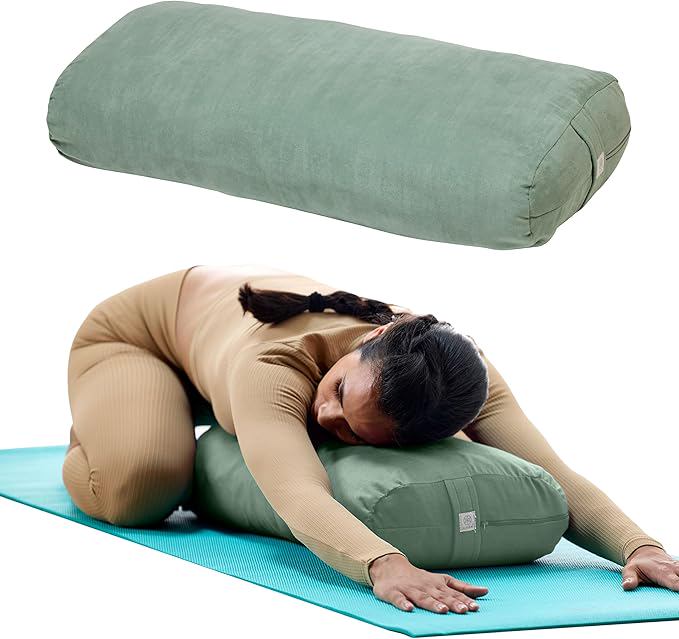
Secondly, props are not crutches; they are brilliant tools for empowerment. A sturdy chair, yoga blocks, a folded blanket, and even a wall become extensions of your body, offering support and stability. They shorten the distance to the floor, provide leverage, and help you maintain balance, allowing you to experience the benefits of a pose without strain.
Finally, cultivate a mindset of curiosity rather than criticism. Notice sensations, but distinguish between the healthy stretch of a muscle and sharp or shooting joint pain. The latter is a clear signal to ease back or try a different variation. Your breath is your best guide—if it becomes held or ragged, it's a sign you're working too hard.
Essential Modifications for Common Poses
Let's translate these principles into action. Here are expert-backed ways to adapt foundational yoga poses for arthritis or stiffness in the knees, hips, spine, and hands.
For Seated Poses (Like Easy Pose or Staff Pose)
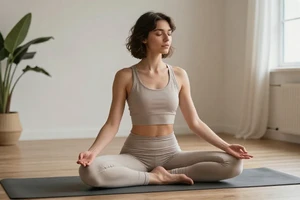
Sitting cross-legged on the floor can be challenging for stiff hips or knees. Instead, sit on the forward edge of a firm chair with your feet flat on the floor, hip-width apart. Ensure your knees are at a 90-degree angle or slightly greater. To mimic the gentle opening of a cross-legged seat, you can place one ankle on the opposite knee, keeping the raised knee relaxed—only if this is comfortable for your hips. For a more supported version, simply sit tall in the chair and focus on elongating your spine with each inhale.
If a pose asks you to sit on the floor, your first modification should always be: use a chair. It provides stable, accessible height.
For Standing Poses (Like Mountain Pose or Warrior II)
Balance can be a concern, and standing for long periods may fatigue arthritic joints. Use a chair for support. For Mountain Pose, stand behind the chair, lightly holding the backrest. Feel your feet rooted down as you lengthen your spine. For Warrior II, stand beside the chair, holding it with one hand for balance as you step your other foot back and bend your front knee. The chair provides a steady anchor, allowing you to focus on alignment and strength without fear of falling.
For Forward Folds
Forward folds can relieve back tension but may strain the hamstrings or lower back. A seated forward fold is a wonderful alternative. Sit on your chair, feet flat. On an exhale, hinge forward from your hips, not your waist, letting your torso descend toward your thighs. Place your hands on your shins, ankles, or the floor—wherever you feel a gentle stretch without rounding your spine aggressively. A pillow on your lap can also be a soft stopping point.
For Downward-Facing Dog
This full-body pose can put pressure on the wrists and shoulders. An excellent modification is Downward Dog at the Wall. Stand facing a wall, about an arm's length away. Place your palms on the wall at shoulder height and shoulder-width apart. Step your feet back until your body forms a long diagonal line from heels to head. You can bend your knees generously to protect your lower back. This variation offers the same shoulder and spine lengthening benefits without the weight bearing.
For Poses on Hands and Knees (Tabletop Position)
Wrist arthritis or carpal tunnel can make this position painful. To alleviate pressure, make fists and place your knuckles on the floor, or use yoga wedges or folded towels to keep your wrists in a more neutral alignment. For knee discomfort, double or triple up your yoga mat, or use a thick, folded blanket under your knees for ample cushioning.
Building a Gentle, Sustainable Routine
Consistency with a gentle practice is far more valuable than occasional intense sessions. Start with just 10-15 minutes, perhaps focusing on one area of the body per day—gentle movements for the hands and wrists one day, a focus on hip mobility the next.
Incorporate simple, fluid movements like Cat-Cow seated in a chair: place your hands on your knees, inhale to arch your spine and open your chest (Cow), exhale to round your spine and tuck your chin (Cat). This mobilizes the spine gently.
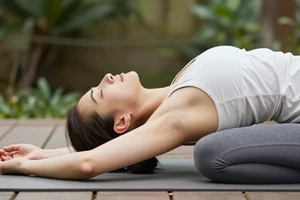
Always end your practice with a few minutes of quiet rest, or Savasana. You can do this lying on your back with knees bent and feet flat on the floor (supported by a pillow under your knees if needed), or even comfortably seated in your chair. This allows your nervous system to integrate the benefits of your movement.
Remember, the journey is personal. What feels good one day may be different the next. By embracing these expert-backed modifications, you're not giving up on yoga—you're claiming its most adaptable and profound form, one that respects your body's wisdom and supports your lifelong well-being.