
Feeling a little stiffer than you used to is a common part of aging, but it doesn’t have to define your movement. Flexibility isn’t just about touching your toes; it’s about maintaining the freedom to move through your day with ease, comfort, and confidence. The good news is that with a thoughtful, consistent approach, you can absolutely improve your range of motion and feel more limber, regardless of your starting point.
The key is shifting the mindset from aggressive stretching to gentle, intelligent mobility work. It’s less about forcing your body into positions and more about nurturing it, listening to its signals, and building resilience over time. This guide focuses on sustainable, evidence-supported methods that prioritize safety and long-term joint health.
Why Flexibility Changes as We Age
Our muscles, tendons, and connective tissues naturally lose some of their water content and elasticity over time. This process, combined with potential decreases in daily activity, can lead to that familiar feeling of tightness. It’s a physiological shift, not a personal failing. Understanding this helps us approach flexibility with patience and self-compassion, which are just as important as the physical techniques.
Foundational Principles for Safe Progress
Before diving into specific strategies, a few core principles set the stage for success and safety.
Warm muscles stretch; cold muscles resist. Always move with gentle warmth first.
Listen to Your Body’s Language: Discomfort during a gentle stretch is normal; sharp, shooting, or joint pain is a clear signal to stop. The goal is a sensation of mild tension that eases as you hold the position, not pain.
Consistency Trumps Intensity A brief, gentle practice done most days is far more effective and safer than an intense, hour-long session once a week. Think of it as daily maintenance.
Breathe Into the Movement Holding your breath creates tension. Slow, deep breaths help your nervous system relax, allowing your muscles to release more fully. Exhale as you gently ease into a stretch.
Expert-Backed Strategies to Try
Dynamic Warm-Ups: The Essential First Step
Static stretching cold muscles is outdated and risky. Instead, start with 5-10 minutes of light, rhythmic movement to increase blood flow. This prepares your tissues for deeper work.
- Arm circles, forward and backward.
- Gentle torso twists while standing or seated.
- Slow, controlled leg swings while holding onto a stable chair for balance.
- Marching in place, lifting knees comfortably.
Gentle Static Stretching (After Warming Up)
Once you’re warm, you can incorporate held stretches. Focus on major muscle groups that tend to tighten: calves, hamstrings, hip flexors, chest, and shoulders.
Hold each stretch for 20-30 seconds, and repeat 2-3 times per side. Avoid bouncing. A classic, safe hamstring stretch involves sitting on the edge of a firm chair, extending one leg forward with the heel on the floor, and gently leaning forward from the hips until you feel a mild pull along the back of the thigh.
Yoga and Tai Chi: Mindful Movement Systems
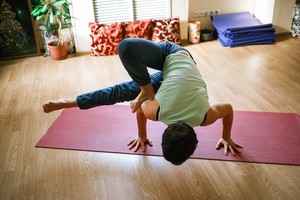
These practices are particularly well-suited for older adults because they combine movement with breath awareness and balance. Look for classes specifically labeled “gentle,” “senior,” “chair yoga,” or “beginner.” A qualified instructor can provide modifications for any mobility limitation. The slow, flowing movements of Tai Chi are exceptional for improving flexibility and balance simultaneously.
Foam Rolling (Self-Myofascial Release)
Using a foam roller can help release tension in the fascia, the connective tissue surrounding your muscles. It’s like giving yourself a gentle massage. Use a softer, larger-diameter roller to start. Roll slowly over areas like calves and thighs, pausing on any tender spots to breathe deeply for 20-30 seconds. Avoid rolling directly over joints or the spine.
Functional Movement Integration
Incorporate flexibility into your daily life. After sitting for a while, stand up and reach your arms overhead. While brushing your teeth, practice shifting your weight from one foot to the other. These “movement snacks” keep your body from settling into stiffness.
Safety Considerations and When to Modify
If you have osteoporosis, significant arthritis, joint replacements, or other chronic conditions, consult your doctor or a physical therapist before starting a new flexibility routine. They can provide personalized guidance and critical precautions.
Always use support when needed. A sturdy chair, wall, or countertop is a fantastic tool for balance during standing stretches. Chair-based yoga is a complete and effective practice that removes the risk of falls.
Progress is measured in increased ease of movement over weeks and months, not inches gained in a single session.
Building a Sustainable Routine
Aim for a short session, perhaps 15-20 minutes, 3-5 days a week. Pair it with an activity you already do, like after a short walk or before your morning coffee. The most effective routine is the one you enjoy and can stick with. Celebrate the small wins—reaching a shelf more easily, tying your shoes with less strain, or simply feeling more relaxed in your own body.