Chair yoga is a beautiful gateway to movement, offering the profound benefits of a yoga practice—increased flexibility, strength, and calm—while being accessible to nearly every body. Yet, the very tool that makes it so approachable, the chair, can also lead us into subtle postural habits that undermine our intentions. When we think we’re simply ‘doing a gentle stretch,’ we might inadvertently be reinforcing patterns of strain or disengagement.
The good news is that these common misalignments are easy to spot and correct. Bringing a little mindful awareness to your setup and movement can transform your practice from a series of seated stretches into a truly supportive and integrated experience. Let’s explore where posture tends to drift in chair yoga and how to gently guide it back.
Are you really using your chair for support?
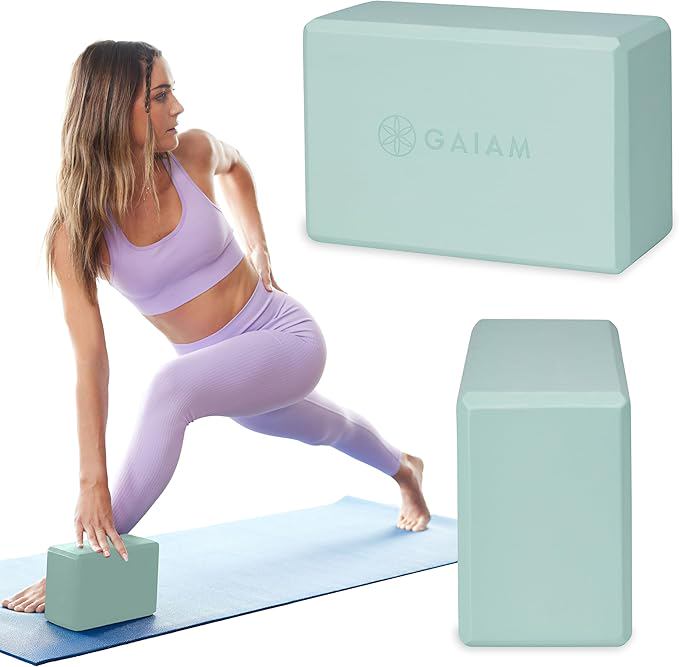
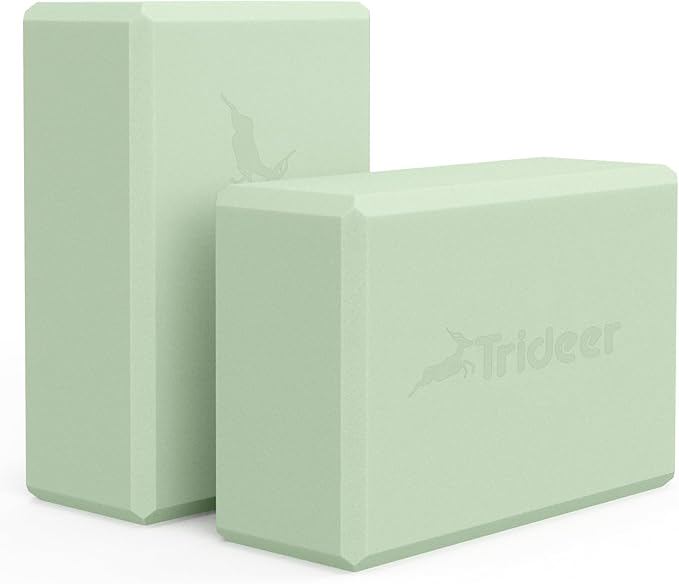
It sounds obvious, but the first mistake is treating the chair as an afterthought. A wobbly dining chair, a sofa that swallows you up, or a desk chair on wheels creates an unstable foundation. Your nervous system won’t fully relax into a pose if it’s busy compensating for a shaky base. The ideal is a stable, armless chair with a firm seat that allows your feet to rest flat on the floor. If your feet dangle, place a folded blanket, yoga blocks, or a sturdy book under them. This connection to the earth is your true starting point for good posture.
Your chair is your foundation. If it’s unstable, your entire practice will be, too.
The slumped spine: rounding in forward folds
In poses like seated cat-cow or a forward fold, the goal is often to mobilize the spine. A common error is to initiate the movement from the head and shoulders, leading to a curved, C-shaped spine that compresses the front body. You might feel this in your lower back or neck.
How to correct it: Start by finding length. Sit tall, crown of the head reaching up, and imagine creating space between each vertebra. In a forward fold, lead with your chest, not your forehead. Hinge from the hips, keeping the natural curves of your spine as long as possible. It’s not about how far down you go; it’s about maintaining integrity as you move. Place your hands on your thighs for feedback—if you feel your spine rounding, pause there and breathe.
Locked joints and hyperextension
In poses that involve extending the legs, like seated leg lifts or stretches, there’s a tendency to lock the knees or elbows in an effort to “straighten” the limb. This hyperextension transfers tension to the joints and disengages the muscles meant to be working.
How to correct it: Think of “lengthening” rather than “locking.” In a leg extension, keep a micro-bend in the knee. You should feel the engagement of your thigh muscles, not a pinching sensation behind the knee. Similarly, in poses with arms overhead, avoid jamming the elbow joint; maintain a soft, receptive bend. This protects your joints and keeps the work in the muscle tissue where it belongs.
Shoulders up to the ears
This is a nearly universal habit, especially in poses that feel challenging or when we concentrate deeply. In arm raises or twists, the shoulders creep upward toward the ears, creating tension in the neck and trapezius muscles.
How to correct it: Before you even move your arms, take a breath and consciously draw your shoulder blades down your back, as if sliding them into your back pockets. Keep this awareness as you lift your arms. If you feel the shoulders rising, lower your arms slightly until you can maintain that grounded feeling. Remember, range of motion is not the prize; integrated, tension-free movement is.
Breath-holding and facial tension
Posture isn’t just about the skeleton; it includes the subtle body. Holding the breath or clenching the jaw, tongue, or eyes is a postural mistake of its own. It signals to your body that you’re in a stressful situation, counteracting the calming effects of yoga.
How to correct it: Cultivate a soft, continuous breath. Before holding a pose, exhale fully to release tension. Periodically scan your face, jaw, and hands for any unnecessary gripping, and let it go. A relaxed face often leads to a more relaxed body.
Over-rotating in twists
Twists feel wonderful, but the desire for a deeper rotation can lead to cranking from the neck or shoulders, bypassing the actual spinal rotation.
How to correct it: Initiate the twist from your core. Inhale to lengthen your spine, and as you exhale, begin the rotation from your navel area, then your ribcage, then your shoulders, and finally, your head. Keep both sitting bones firmly grounded on the chair—if one lifts, you’ve likely gone too far. Use the chair back for gentle leverage, not force. A mindful, moderate twist is far more beneficial than a strained, deep one.
Forgetting to engage your core
Because you’re seated, it’s easy to let the abdominal muscles go completely soft, relying entirely on the chair for support. This leads to a collapsed torso and can strain the lower back over time.
How to correct it: Core engagement in chair yoga is gentle and supportive, not a hard clench. Think of drawing your navel slightly inward and upward, as if you were putting on a snug pair of pants. This subtle action stabilizes your torso and protects your spine in every movement, from lifting an arm to turning to the side. It’s the quiet anchor of your practice.
Ultimately, chair yoga is a practice of awareness as much as movement. By checking in with these common alignment points, you’re not just correcting mistakes—you’re deepening your connection to your body and transforming your chair from a piece of furniture into a true partner for well-being.