You’re tracking every bite, hitting your workouts, and the scale just won’t budge. It’s a frustrating place to be, and it often points to one common culprit: a miscalculated calorie deficit. The principle of weight management is simple—consume fewer calories than you burn—but the practice is rarely straightforward. Many of us believe we’re in a deficit when, in reality, small oversights add up. Let’s explore the subtle signs that your calorie deficit might not be as solid as you think.
Your Weight Hasn’t Changed in Weeks
This is the most obvious red flag, but it’s worth examining closely. A true, sustained calorie deficit should produce a gradual downward trend in your weight over time. If the number on the scale has been stagnant for three to four weeks or more, it’s a strong indicator that your energy intake matches your output.
Weight loss isn't always linear, but a prolonged plateau often means your math is off.
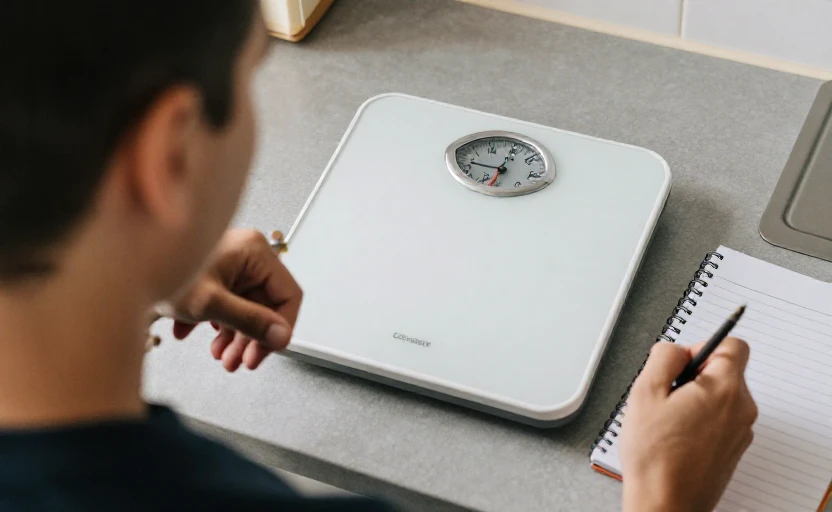
Before dismissing it as a temporary stall, consider these nuances. Are you weighing yourself consistently—first thing in the morning, after using the bathroom? Have you accounted for changes in exercise that might cause water retention? If you’ve controlled for these variables and the stall persists, your estimated daily calorie target is likely too high for your current activity level.
You’re Constantly Hungry and Low on Energy
Some hunger is a normal part of a moderate calorie deficit. But if you’re experiencing relentless hunger, brain fog, irritability, or a significant drop in workout performance, it’s a signal worth heeding. Your body is adept at communicating its needs.
Chronic, intense hunger can mean your deficit is too aggressive, pushing your body into a stress response. More commonly, it suggests the calories you are consuming aren’t satiating. You might be hitting your calorie number but missing on volume, protein, and fiber—nutrients that promote fullness and stabilize blood sugar.
You’re “Eyeballing” Portions and Forgetting Extras
This is where the math most often falls apart. Our perception of portion sizes is notoriously unreliable. That “tablespoon” of olive oil in the pan might be two or three. The handful of nuts is easily a double serving. The creamer in your coffee, the dressing on your salad, the bites you take while cooking—these untracked calories accumulate silently throughout the day.
Similarly, we tend to remember our planned meals and snacks but forget the incidental calories: the office candy bowl, your child’s leftover fries, the sample at the grocery store, or the sports drink after a light workout. These aren’t failures of willpower; they’re simply unaccounted energy that can erase a theoretical deficit.
You’re Overestimating Your Activity Calories
Fitness trackers and cardio machine readouts are helpful tools, but they are estimates, often generous ones. Burning 500 calories in a spin class according to the display doesn’t necessarily mean you’ve earned an extra 500 calories to eat. Relying on these numbers to justify extra food is a common trap.
Think of tracked exercise calories as a bonus, not a license to eat back every single one.
Furthermore, non-exercise activity thermogenesis (NEAT)—the energy you burn fidgeting, pacing, or doing chores—can decrease subconsciously when you’re eating less. You might move less throughout the day without realizing it, offsetting the calories burned in your dedicated workout.
How to Course-Correct
If these signs feel familiar, don’t be discouraged. It’s a calibration issue, not a personal failing. Here’s a thoughtful approach to finding a true deficit.
Audit Your Intake Honestly
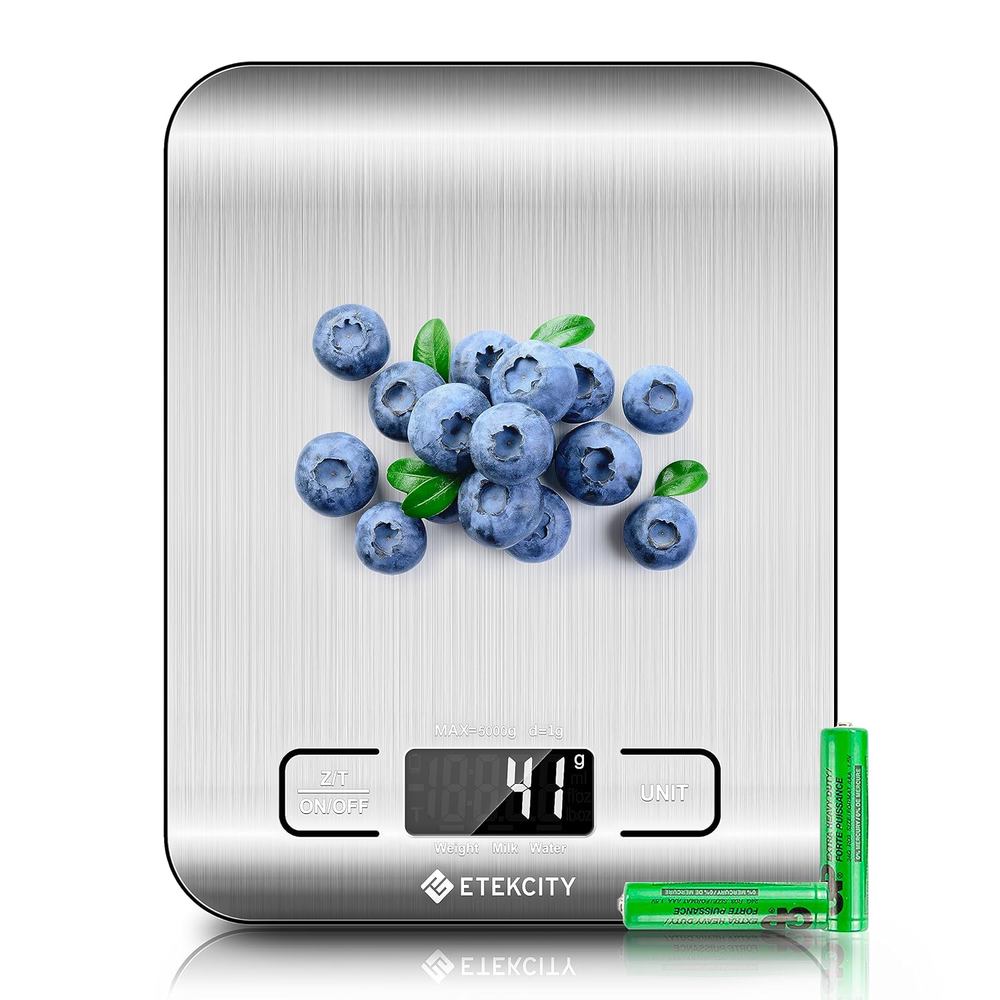
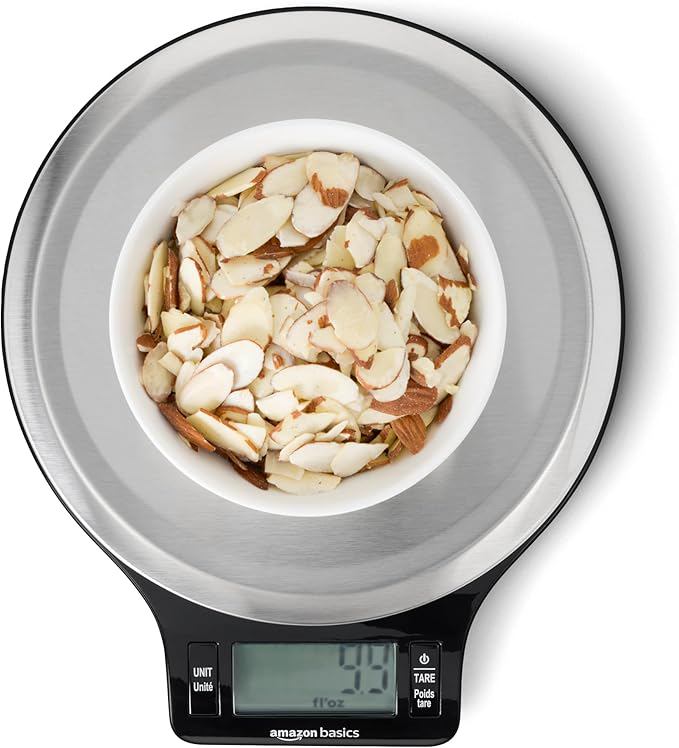
For one week, commit to meticulous tracking. Use a food scale for solids and measuring spoons for oils and dressings. Log every single item, including condiments, beverages, and cooking fats. This isn’t about restriction; it’s about gathering accurate data. You’ll likely discover a discrepancy between your perception and reality, which is the first step toward adjustment.
Prioritize Satiety
Structure your meals around protein sources, high-volume vegetables, and whole-food fats and carbs. A plate filled with lean protein and fibrous veggies for the same calories as a small pastry will keep you fuller, longer. This makes sustaining a deficit feel more manageable.
Adjust Expectations on Exercise
Separate your exercise goals from your eating goals. View physical activity as essential for health, strength, and mood—not primarily as a calorie-burning tool. If you do eat back some exercise calories, use a conservative estimate (e.g., only 50% of what your tracker says).
Listen and Adapt
Your body’s feedback is crucial. If you’re exhausted and hungry all the time, your deficit may be too steep. A smaller, more sustainable reduction of 100-200 calories might yield better long-term results than an aggressive cut that you can’t maintain. The goal is a pace you can consistently follow.
Creating a real calorie deficit is a practice in mindful awareness. It’s about aligning intention with action, and numbers with physical feeling. By tuning into these subtle signs, you can move from guessing to knowing, building a approach that is both effective and sustainable for you.