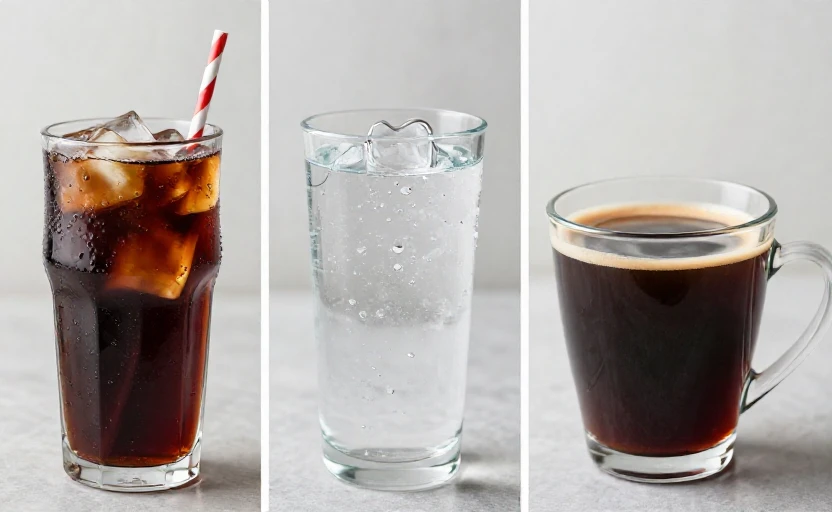
You’ve likely heard the advice to watch what you eat, but what you drink can be just as important for your wellness journey. Beverages often slip under the radar, delivering a surprising number of calories without the same sense of fullness a meal provides. This can quietly tip the scales, making weight management feel more challenging than it needs to be.
The good news is that making a few thoughtful swaps in your glass or mug can be one of the simplest, most effective steps you can take. It’s not about deprivation, but about choosing drinks that support your body without adding empty energy. Let’s look at four common high-calorie beverages and explore satisfying, flavorful alternatives.
Why Liquid Calories Are So Sneaky
Our bodies process liquid calories differently than solid food. Sugary drinks, in particular, don’t trigger the same satiety signals. You can drink several hundred calories and still feel hungry shortly after, whereas eating those same calories in a balanced meal would likely keep you full for hours. This disconnect makes it easy to consume excess energy without realizing it, which can stall weight loss efforts.
Swapping just one high-calorie drink per day for water or another zero-calorie option can save over 50,000 calories in a year.
Beyond weight, many sugary and creamy beverages can lead to rapid spikes and crashes in blood sugar, affecting your energy and mood. By choosing smarter sips, you support more stable energy levels and overall metabolic health.
1. Swap Sweetened Coffee Drinks for Black Coffee or Tea
That morning latte or afternoon mocha can be a significant source of hidden calories, sugar, and saturated fat. A large flavored coffee drink from a café can easily contain 300 to 500 calories—equivalent to a small meal.
If you enjoy coffee, try transitioning to drinking it black. If that’s too big a leap, start by reducing the sweetener and switching to a small amount of milk or a plant-based alternative instead of cream and flavored syrups. The natural bitterness of coffee often becomes more enjoyable as your taste buds adjust.
Herbal or green tea is another excellent option. It’s naturally calorie-free when unsweetened and provides a gentle caffeine lift along with beneficial antioxidants. Experiment with different varieties like peppermint, chamomile, or ginger for a flavorful break without the sugar crash.
2. Swap Soda and Sweetened Juices for Sparkling Water or Infused Water
Regular soda and many fruit juices are essentially liquid sugar. A single 12-ounce can of cola packs about 150 calories and 39 grams of sugar. Even 100% fruit juice, while containing vitamins, is concentrated in natural sugars and lacks the filling fiber of whole fruit.
Sparkling water is a fantastic alternative that provides the same satisfying fizz without the calories or artificial sweeteners. If plain seltzer feels too bland, look for naturally flavored varieties or add your own slices of citrus, cucumber, berries, or fresh herbs like mint or basil to a pitcher of still or sparkling water.
This simple act of infusion creates a refreshing, spa-like drink that feels special and helps you stay hydrated.
3. Swap Sugary Sports and Energy Drinks for Electrolyte Water or Coconut Water
Unless you’re an endurance athlete engaged in intense, prolonged exercise, most sports drinks are unnecessary and add sugar you don’t need. Similarly, many energy drinks are high in both sugar and caffeine, which can lead to a cycle of energy spikes and slumps.
For everyday hydration, water is always best. If you’re looking for electrolyte replenishment after a moderate workout, consider an unsweetened electrolyte tablet or powder you can mix into water, allowing you to control the ingredients.
For a natural option, a small serving of plain, unsweetened coconut water provides electrolytes like potassium with far less sugar than a typical sports drink. Just be mindful of portion size, as it still contains natural sugars.
4. Swap Creamy Alcoholic Cocktails for Wine Spritzers or Simple Spirits
Cocktails like piña coladas, margaritas (especially frozen ones), and white Russians are notorious calorie bombs due to their mix of sugar, cream, and alcohol. Alcohol itself is calorie-dense, and when combined with sugary mixers, the count soars.
You don’t have to give up social drinks entirely. Opt for simpler preparations. A glass of red or white wine, a light beer, or a spirit mixed with soda water and a squeeze of lime are much lower-calorie choices.
Creating a wine spritzer—half wine, half sparkling water—is a refreshing way to make one drink last longer and cut calories in half. The key is avoiding pre-made, sugary mixers and creamy liqueurs.
Building a Hydration Habit That Sticks
Changing a drinking habit is like changing any other—it works best with a gentle, curious approach rather than a strict mandate. Start by tracking what you drink for a day or two without judgment, just to build awareness. Then, pick one swap that feels easiest and try it for a week.
Keep a reusable water bottle with you as a visual reminder to sip throughout the day. Often, what we interpret as a craving for a sweet drink is actually mild dehydration. If you miss sweetness, allow yourself time to adjust. Your taste preferences will gradually shift, and fruits will begin to taste sweeter and more satisfying.
Remember, the goal isn’t perfection. It’s about making more choices that leave you feeling energized and well, one sip at a time. By bringing awareness to what’s in your glass, you take a powerful, simple step toward supporting your overall wellness and weight management goals.