When you're focused on fat loss, you likely think about your diet and workout routine first. But there's a powerful, often overlooked factor right at your fingertips: your water glass. The connection between hydration and metabolism is more direct than many realize, influencing everything from energy levels to how your body processes nutrients.
Think of water not just as a thirst-quencher, but as the essential medium for every cellular process involved in burning fat. From helping your liver metabolize stored fat to ensuring your workouts are effective, proper hydration creates an internal environment where fat loss can happen more efficiently.
Why Water is a Non-Negotiable for Metabolism
Your metabolism is the sum of all chemical reactions that keep you alive, and nearly every single one requires water. When you're even mildly dehydrated, these processes can slow down. A study published in the Journal of Clinical Endocrinology & Metabolism found that drinking about 17 ounces of water increased metabolic rate by 30% for up to an hour. While this doesn't mean water alone melts fat, it highlights its role as a metabolic catalyst.
Specifically, your liver plays a starring role. One of its primary jobs is to metabolize stored fat for energy. When you're dehydrated, the liver has to step in to help the kidneys function, pulling its focus away from fat metabolism. Ensuring you're well-hydrated allows your liver to operate at its full fat-burning capacity.
Hydration's Role in Appetite and Calorie Intake
Thirst signals can often be mistaken for hunger pangs. Before reaching for a snack, a glass of water might be what your body actually needs. Drinking water before meals can also promote a feeling of fullness, potentially leading to a natural reduction in calorie intake.
Start your main meals with a tall glass of water. It's a simple habit that supports portion awareness and ensures you're hydrating with your food.
Furthermore, many high-calorie beverages we consume—like sugary sodas, juices, and fancy coffee drinks—add significant calories without providing satiety. Choosing water as your primary drink automatically cuts out these empty calories, creating a simpler path to a calorie deficit.
Maximizing Your Workouts
Effective fat loss often involves physical activity, and hydration is the key to performance. Water regulates your body temperature and lubricates your joints. When you're dehydrated, you may experience:
- Earlier fatigue and reduced endurance
- Decreased strength and power output
- Impaired focus and coordination
This means your workout intensity and duration can suffer, leading to fewer calories burned both during and after your session. Proper hydration helps you train harder and recover better, making your effort in the gym or on the trail count for more.
Recognizing the Signs You Need More
Waiting until you feel thirsty means you're already behind. More subtle signs of mild dehydration include:
- Feeling sluggish or having low energy in the afternoon
- Experiencing headaches
- Noticing dark yellow urine
- Feeling hungry soon after eating
Aim for pale yellow urine as a general indicator of good hydration. Your individual needs will vary based on your size, activity level, climate, and diet, but paying attention to these cues is more helpful than fixating on a rigid number of glasses.
Practical Ways to Drink More Throughout the Day
Building consistent hydration habits makes it effortless. Try weaving these practices into your routine:
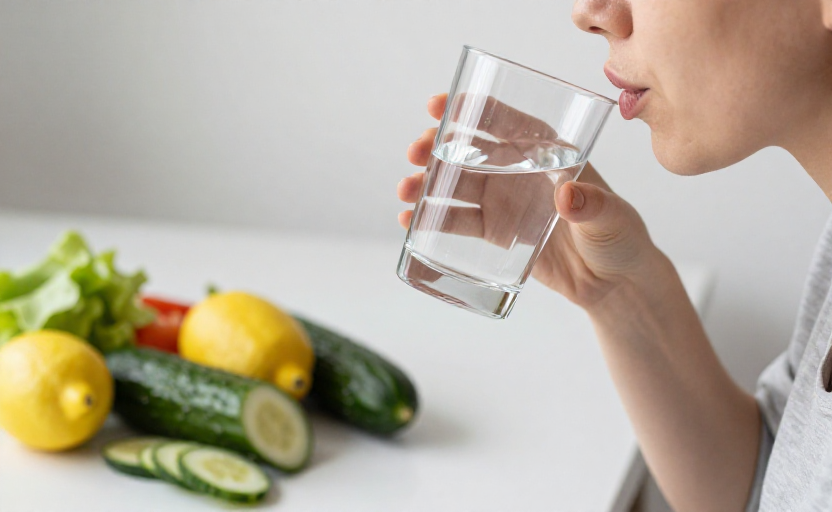
Keep a water bottle visible on your desk, in your car, or by your bedside. Visual cues are powerful reminders. If plain water feels like a chore, enhance it naturally. Add a few slices of cucumber, citrus, fresh mint, or berries for a hint of flavor without added sugars or calories.
Incorporate water-rich foods into your meals. Foods like watermelon, strawberries, cucumber, celery, lettuce, and broth-based soups contribute significantly to your daily fluid intake while providing valuable nutrients and fiber.
Ultimately, hydration is a foundational pillar of health that directly supports your fat loss goals. It optimizes the metabolic machinery inside you, helps manage appetite, and fuels the activity that burns calories. By giving your body the water it needs, you're not just quenching thirst—you're actively creating the conditions for your efforts to succeed.