
You’ve been diligent. The scale was moving, your clothes were fitting better, and then… it just stopped. The number on the scale hasn’t budged in weeks, maybe months. This frustrating standstill, known as a weight loss plateau, is a common, almost expected, part of the journey. It doesn’t mean you’ve failed. It often means your body has adapted to your current routine, and it’s time for a new strategy.
The most effective tool for breaking through isn’t a new fad diet or a punishing workout—it’s information. By moving from guesswork to guided observation, you can identify the subtle adjustments needed to restart your progress. This guide focuses on practical, actionable tracking methods to help you understand your body’s signals and navigate your way forward.
Why Do Plateaus Happen?
First, it helps to know you’re not doing anything wrong. A plateau is frequently a sign of metabolic adaptation. As you lose weight, your body requires fewer calories to function. The smaller you are, the less energy you need to move that mass. The calorie deficit that once spurred weight loss may now simply maintain your current weight.
Other factors include changes in body composition (gaining muscle while losing fat, which may not show on the scale), hormonal fluctuations, changes in activity levels outside of formal exercise, or even subtle shifts in your diet that have crept in over time. The key is to move from frustration to curiosity. What is your body telling you?
What to Track (Beyond the Scale)
Relying solely on the scale can be misleading and demoralizing. A comprehensive tracking approach paints a fuller picture of your health and progress.
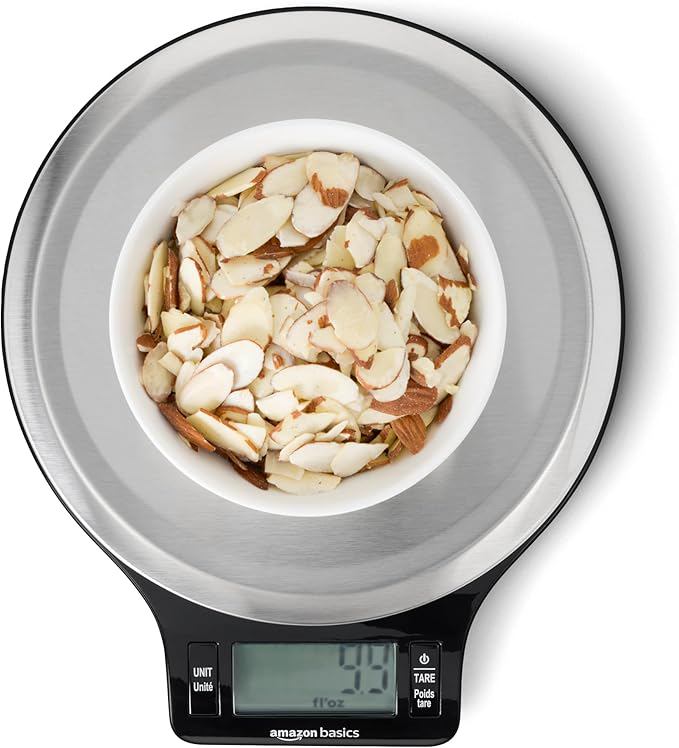
Nutritional Intake: For one to two weeks, resume tracking your food intake with honesty and detail. Use an app or a simple journal. The goal isn’t to judge, but to observe. You might discover portion sizes have slowly increased, or that healthy snacks are more calorie-dense than you realized. Pay attention to patterns, not just calories—are you eating enough protein? Are you consistently hydrated?
Tracking food isn't about restriction; it's about awareness. You can't adjust what you don't measure.
Movement and Exercise: Log your workouts. Note the type, duration, and intensity. Has your routine become too comfortable? Your body thrives on challenge. Also, consider your non-exercise activity thermogenesis (NEAT)—the calories you burn through daily movement like walking, cleaning, or fidgeting. A more sedentary job or lifestyle can significantly reduce your daily energy expenditure.
Body Measurements and Photos: Take a tape measure and record your chest, waist, hips, and thighs. Sometimes, inches lost are a better progress marker than pounds. Take front, side, and back photos in consistent lighting and clothing. Compare these monthly; visual changes can be powerful motivators when the scale is stagnant.
How You Feel: This is often overlooked. Keep brief notes on your energy levels, sleep quality, hunger cues, stress, and digestion. Poor sleep and high stress can elevate cortisol, a hormone that can promote fat storage, particularly around the abdomen, and hinder weight loss.
How to Use Your Data to Break the Plateau
Once you have a week or two of data, analyze it without criticism. Look for patterns and opportunities.
- If your food log shows consistency: You may need to slightly reduce your daily calorie intake or change your macronutrient balance, often by increasing protein to support satiety and muscle retention.
- If your exercise log shows a stale routine: It’s time to introduce a new stimulus. This could mean increasing weight, adding intervals, trying a new activity, or incorporating more resistance training to build metabolism-supporting muscle.
- If your NEAT has dropped: Focus on moving more throughout the day. Set a step goal, take walking breaks, or use a standing desk.
- If stress and sleep are poor: Prioritize recovery. Implement a wind-down routine, practice stress-management techniques like meditation, and aim for 7-9 hours of quality sleep. This is a crucial, non-negotiable part of the equation.
Making Strategic Adjustments
Based on your tracking insights, choose one or two small, sustainable changes to implement. Drastic overhauls are hard to maintain and can backfire.
For example, you might decide to:
1. Add 15 grams of protein to your breakfast.
2. Swap one steady-state cardio session per week for high-intensity intervals.
3. Drink a glass of water before each meal.
4. Go to bed 30 minutes earlier.
Implement these changes for at least two to three weeks while continuing to track. This allows your body time to respond. The plateau didn't happen overnight, and the solution won't either. Patience and consistency with your new, data-informed plan are essential.
Remember, a weight loss plateau is a pivot point, not a stop sign. It’s your body’s signal to refine your approach. By tracking key metrics, you replace frustration with clarity. You move from hoping something will work to knowing what to adjust. Trust the process, be kind to yourself, and use the information you gather as your map to move forward.