We all carry some body fat, but not all fat is the same. The fat you can pinch around your waistline is subcutaneous fat—the kind that sits just under the skin. The more concerning type, visceral fat, lies deep inside your abdominal cavity, wrapped around your liver, pancreas, and intestines. Unlike the fat you can see, visceral fat is metabolically active and linked to a higher risk of heart disease, type 2 diabetes, and inflammation. The good news: it is also highly responsive to lifestyle changes. Here’s a practical look at what visceral fat actually is and how you can reduce it safely.
What exactly is visceral fat?
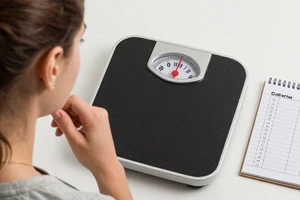
Visceral fat, sometimes called “belly fat” or intra-abdominal fat, is stored deep within the torso. It surrounds vital organs and produces hormones and inflammatory substances that can disrupt normal metabolic function. Even people who appear lean can have dangerous levels of visceral fat if their diet and activity patterns are off. This is why body composition matters more than the number on the scale. Waist circumference is a simple screening tool—a measurement above 35 inches for women or 40 inches for men suggests excess visceral fat.
Why is visceral fat dangerous?
The trouble with visceral fat is not just that it takes up space. It releases inflammatory markers called cytokines, which can trigger chronic low-grade inflammation. This inflammatory state is a known contributor to insulin resistance, high blood pressure, and abnormal cholesterol levels. Over time, these changes increase the likelihood of metabolic syndrome and cardiovascular disease. Unlike subcutaneous fat, which can be a passive energy reserve, visceral fat acts almost like an active organ—and it is not a friendly one.
A simple rule: If your pants feel tighter around the waist even when your weight is stable, visceral fat may be building up behind the scenes.
Can exercise specifically target visceral fat?
Spot reduction—losing fat from one specific area by exercising that body part—is a myth. You cannot do a thousand crunches and melt away belly fat. However, regular exercise does reduce visceral fat more effectively than diet alone, according to multiple studies. Aerobic exercise such as brisk walking, jogging, cycling, or swimming appears especially effective. The key is consistency and total calorie expenditure: when you burn more energy than you consume, your body pulls from fat stores, and visceral fat tends to shrink first after higher-intensity or sustained moderate activity.
What about running versus walking?
Both running and walking can help reduce visceral fat if done regularly. Running burns more calories per minute, but walking is easier on the joints and more sustainable for beginners. The real factor is total weekly volume. A person who walks for 45 minutes most days may burn a similar number of calories as someone who runs for 20 minutes—and both will see reductions in visceral fat over time. The best exercise is the one you will do consistently.
- Start with brisk walking: Aim for 30–45 minutes, five days per week. Gradually increase pace or duration.
- Add interval bursts: Once comfortable, mix short periods of jogging or fast walking into your routine to boost calorie burn.
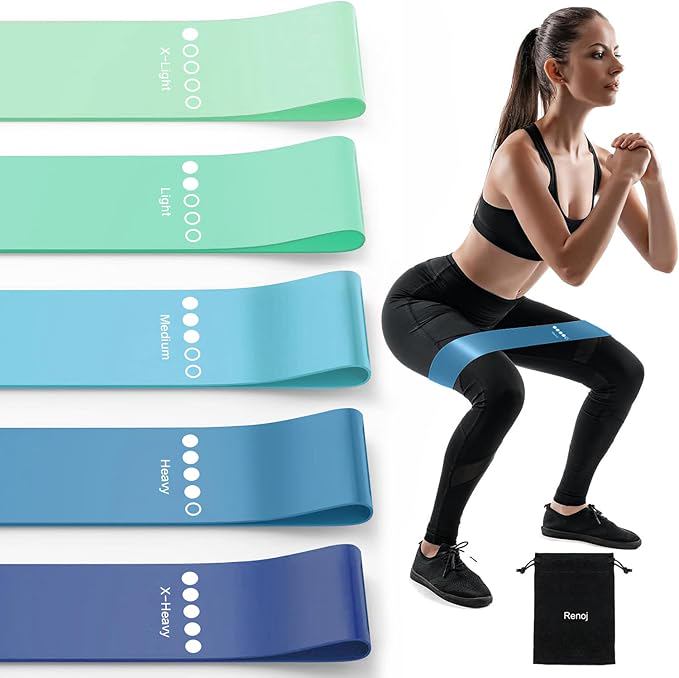
- Include strength training: Building muscle increases your resting metabolic rate, which helps your body burn more fat even at rest.
What role does diet play in reducing visceral fat?
Exercise and diet work as a team when it comes to visceral fat. Eating more whole foods—vegetables, fruits, lean proteins, whole grains, and healthy fats—naturally reduces the calorie density of your diet and provides fiber that supports gut health. Added sugars and refined carbohydrates (think white bread, sugary drinks, pastries) are particularly linked to increased visceral fat storage. Swapping soda for water or unsweetened tea alone can lead to measurable changes in waist circumference over several months.
Dietary shifts that help:
- Replace processed snacks with nuts, seeds, or fresh fruit.
- Choose lean proteins like chicken, fish, tofu, or legumes at meals.
- Cut sugary beverages entirely—liquid calories are a major hidden source.
- Aim for at least 25–30 grams of fiber daily from vegetables, beans, and whole grains.
How long does it take to see results?
Visceral fat responds faster than subcutaneous fat to lifestyle changes. Many people notice a looser waistband within four to eight weeks of consistent exercise and improved eating patterns. However, results depend on starting point, genetics, and how strictly you follow your plan. Crash diets or extreme exercise regimens are not only unsafe but also counterproductive—they can trigger muscle loss and metabolic slowdown, making long-term fat loss harder. A steady, moderate approach yields the most sustainable changes.
Bottom line: Visceral fat is not something to panic about, but it is something to pay attention to. With regular physical activity, a whole-foods diet, and consistent sleep habits, most people can significantly reduce their visceral fat within a few months. Small daily choices add up to real change.