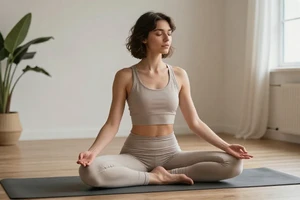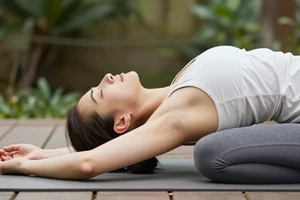
When you roll out your mat, you are probably looking for relief—a break from the noise in your head, a moment when your breathing slows and your shoulders drop. For many people, yoga delivers exactly that. But what if, instead of calming your mind, your practice leaves you more on edge? It is a question that deserves a closer look, because the relationship between yoga and anxiety is not always a straight line toward peace.
Yoga can be a powerful tool for managing anxiety, but under certain conditions it can also amplify nervous system dysregulation. The difference often comes down to how you practice, why you practice, and how your body and mind respond on any given day. Let's walk through the signals—both the helpful ones and the warning signs—so you can make an informed choice for your own well-being.
How yoga can reduce anxiety
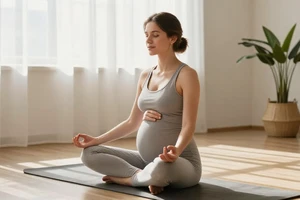
A well-paced, appropriately challenging yoga class can shift your nervous system from a state of high alert—sympathetic dominance—toward a calmer, restorative state. The deliberate focus on breath, the slow movement, and the emphasis on body awareness all help interrupt the loop of anxious thoughts. Research suggests that consistent practice can lower cortisol, improve heart rate variability, and increase activity in brain regions associated with emotional regulation.
Some of the most anxiety-soothing elements include:
- Slow, fluid transitions between poses, which signal safety to the nervous system.
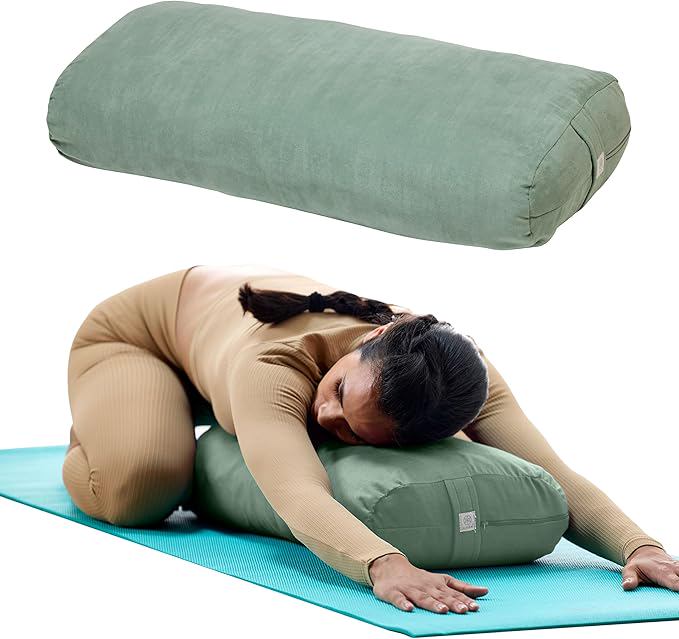
- Extended time in restorative postures such as child's pose or legs-up-the-wall.
- Breath-focused practices like extending the exhale or equal-length breathing.
- Grounding cues that encourage noticing physical sensations rather than getting lost in thoughts.
When these elements are present, yoga becomes a form of active meditation—a practice that builds resilience to stress rather than adding to it.
When yoga may worsen anxiety
Not all yoga is calming. Certain styles, cues, and environments can inadvertently spike anxiety. The key is to recognize the patterns that do not serve you.
The pace is too fast or competitive
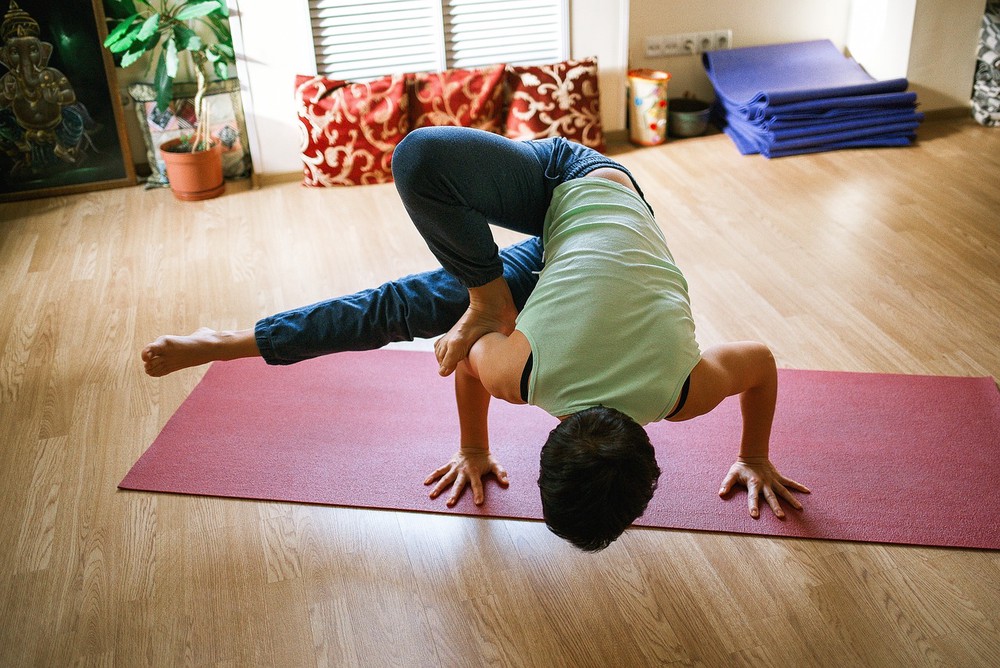
Fast-flowing, high-intensity classes often emphasize performance—how deep you can go, how long you can hold, how many chaturangas you can push through. If you already struggle with anxiety, this kind of environment can trigger a stress response rather than relieving it. You may find yourself tensing up, holding your breath, or mentally comparing yourself to others, all of which feed the cycle of anxiety.
Breath cues feel forced
When an instructor tells you to breathe in a specific pattern (e.g., "inhale for four counts, exhale for four"), and that pattern does not match your natural rhythm, it can feel uncomfortable. For some people, rigid breath control actually increases feelings of panic, especially if they already have trauma or asthma. It is okay to let your breath be natural or adapt the cue.
You are asked to hold poses beyond your comfort zone
A pose that feels like a stretch is one thing; a pose that provokes fear or a sense of losing control is another. If a certain posture makes you feel trapped, dizzy, or panicky, that is a signal, not a weakness. Your nervous system is telling you it does not feel safe in that shape.
The environment overstimulates
Bright lights, loud music, a packed room, or constant verbal cueing can be too much for an already sensitive nervous system. If you walk out of class feeling more wired than when you walked in, the environment may be part of the problem.
Practical signals to check in with yourself
Instead of relying on how you think you should feel after yoga, notice what you actually experience. Here are a few checkpoints:
- During class: Are you holding your breath? Are your shoulders up by your ears? Do you feel a sense of dread or urgency? These are signs your nervous system is on alert.
- Immediately after: Do you feel spacious and soft, or jittery and exhausted? Both can be informative.
- Hours later: If your anxiety is higher than usual the rest of the day, consider what happened in practice—especially if it was a challenging sequence.
If you notice a pattern of increased anxiety after certain classes or styles, trust that data. It is not a sign that you are doing yoga wrong; it is a sign that you need to adjust your approach.
How to adapt your practice for anxiety relief
You do not have to quit yoga to feel better. Small adjustments can make a significant difference.
Choose your style intentionally
Restorative, yin, and gentle hatha classes are generally safer bets for anxiety. Power yoga, hot yoga, and vigorous vinyasa may be too stimulating for some people. Listen to how your body responds rather than following a trend.
Modify without apology
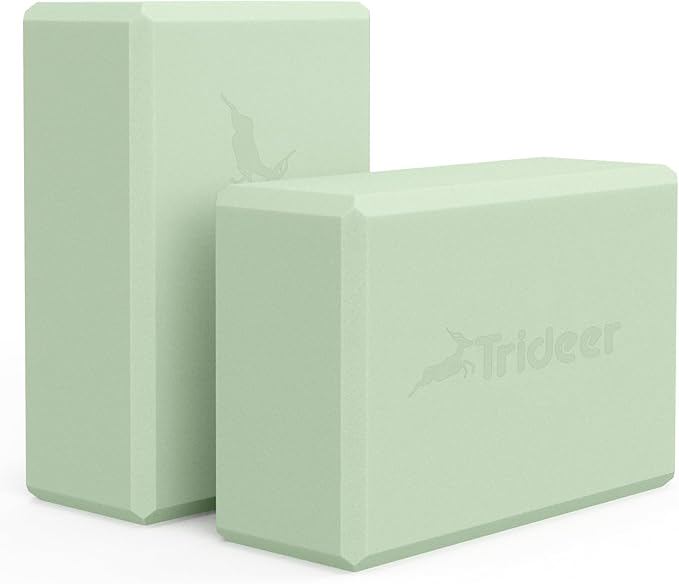
If a pose feels wrong, come out of it. Use props freely: blocks, blankets, bolsters. No one else is inside your body. The most advanced practice is the one that keeps you present and calm.
Focus on the exhale
When you notice tension, deliberately lengthen your exhales. A slow, steady exhale activates the vagus nerve and tells your brain it is safe to relax. You can practice this even without movement: just sit quietly and breathe out longer than you breathe in.
Set an intention that is about feeling, not achieving
Instead of "I want to open my hips" or "I want to improve my balance," try: "I want to notice what I feel without judging it." This shifts the focus from performance to presence, which is where the anxiety relief lives.
When to talk to a professional
Yoga is a complement to mental health care, not a replacement. If your anxiety is severe or persistent, or if you notice that no amount of modification seems to help, it may be time to speak with a therapist or a doctor. They can help you explore whether yoga is the right tool for you at this moment, or whether other approaches might serve you better.
Yoga is not about forcing the body into shapes; it is about meeting yourself exactly where you are. When that meeting is kind, anxiety softens. When it is harsh, anxiety holds on.
Ultimately, the best indicator is honest feedback from your own mind and body. If your practice leaves you feeling more grounded, more at ease, and more connected to yourself, you are on the right path. If it leaves you feeling wound up, discouraged, or more anxious, do not hesitate to change course. Your well-being comes first—always.