Prenatal yoga is one of the most supportive movement practices during pregnancy. It builds strength for labor, eases common aches, and carves out quiet time for a busy mom-to-be. But somewhere between the gentle flow and the deep breathing, a subtle problem can sneak in: breath-holding.
This isn't about the intentional breath retention in certain advanced yoga practices. This is the unintentional gripping of the breath that can happen when a pose feels challenging, when there's pressure on the belly, or when the nervous system is on edge. For a pregnant person, managing oxygen levels is already more complex because the growing uterus pushes upward on the diaphragm. Adding breath-holding can reduce oxygen flow to both you and your baby. Here is a practical guide to recognizing the early red flags, so you can stay safe and comfortable on your mat.
What Does Breath-Holding Actually Look Like in Class?
Breath-holding often doesn't feel like holding your breath at all. It can feel like “just concentrating” or “tensing up.” The first step is knowing what to look for, both in yourself and, if you are a teacher, in your students.
- Audible exhales that disappear: A gentle, steady breath usually makes a soft sound through the nose. When the exhale becomes silent or noticeably shorter than the inhale, the breath is likely being pinched off.
- Shoulders climbing toward the ears: When you hold your breath, the accessory breathing muscles in your neck and shoulders kick in. If your shoulders are tight and raised, check your inhalation.
- Mouth breathing or gulping: Once the breath is held and released, a person often takes a big, noisy inhale through the mouth to “catch up.” This pattern of brief holds followed by gasps means the nervous system is switching into stress mode.
- A “stone face” or locked jaw: Clenching the jaw and pressing the lips tightly together are classic signs that the throat is also closed off. A soft, relaxed face usually means the airway is open.
Why Pregnant Bodies Are More at Risk
The mechanics of breathing change significantly during pregnancy. The diaphragm—your main breathing muscle—has less room to contract downward because the uterus is taking up space. To compensate, the rib cage expands outward more than usual. This is efficient, but it makes the body more sensitive to any postural change that further restricts the diaphragm.
In yoga, this means certain positions can quickly become breath-restrictors rather than breath-openers. A deep forward fold, a twist with the belly compressed, or even a simple supine (lying on the back) position after the first trimester can trigger an unconscious breath hold. The body's natural response to any feeling of suffocation is to guard the airway. The goal is to notice that guard-dog reaction before it becomes a full hold.
Safety checkpoint: If you can't comfortably inhale and exhale through your nose without pausing, the pose is too deep. Modify immediately—back off by an inch, widen your stance, or use a bolster under your hips.
Warning Signs You Might Miss During Your Practice
Because breath-holding often happens in the background of your attention, you might notice the symptoms of it before you notice the breath itself. These are critical signals from your body.
Dizziness or Lightheadedness
This is not the “meditative floaty feeling.” This is a genuine sensation of the room spinning or fading out. It indicates that carbon dioxide levels have risen in your blood because you have not been exchanging air effectively. If you feel dizzy during a pose, do not lie down or fold forward immediately. Instead, return to a seated or kneeling position with your head raised, and focus on slow, audible exhales to reset the system.
Sudden Increase in Heart Rate
It’s normal for your heart to work harder during exercise, especially in pregnancy. But if you feel a sudden, pounding heart rate that seems out of proportion to the intensity of the pose, check your breath. A held breath creates a Valsalva maneuver—essentially, you are increasing pressure in your chest, which forces the heart to pump against more resistance. This can spike your pulse and blood pressure. If you feel your heart racing in a gentle pose, breathe out fully before you try to relax.
Tightness in the Throat or Jaw
Many people carry tension in the throat without realizing it. If you notice you are gritting your teeth or your throat feels “clamped” during a pose, you are likely locking the airway at the top. Consciously part your lips, let your tongue rest on the bottom of your mouth, and take a few soft, sighing breaths. This physically opens the glottis and reverses the hold.
A Feeling of “Muscle Cramping” in the Ribs
Your intercostal muscles (the muscles between your ribs) can spasm if you are holding your breath and straining. This is often mistaken for round ligament pain or a side stitch. If you feel a sharp, cramping sensation along your rib cage during a side stretch or backbend, stop the movement, exhale completely, and gently rub the area. The cramp will usually release as soon as you resume calm breathing.
Poses That Most Commonly Trigger Breath-Holding
While any pose can be a trigger if you push too hard, a few are notorious for silently stealing your breath. Pay extra attention in these postures.
- Deep twists (e.g., seated spinal twist): The twist compresses the abdominal cavity. Keep the twist open—never force the belly to turn beyond what feels comfortable—and always twist from the upper back, not the low belly. Use the inhale to lengthen your spine, and only twist deeper on the exhale if you have room.
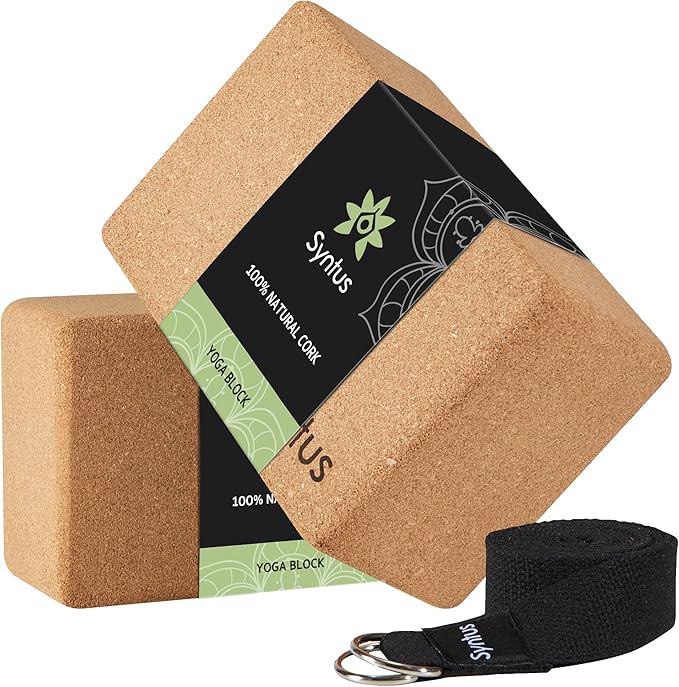
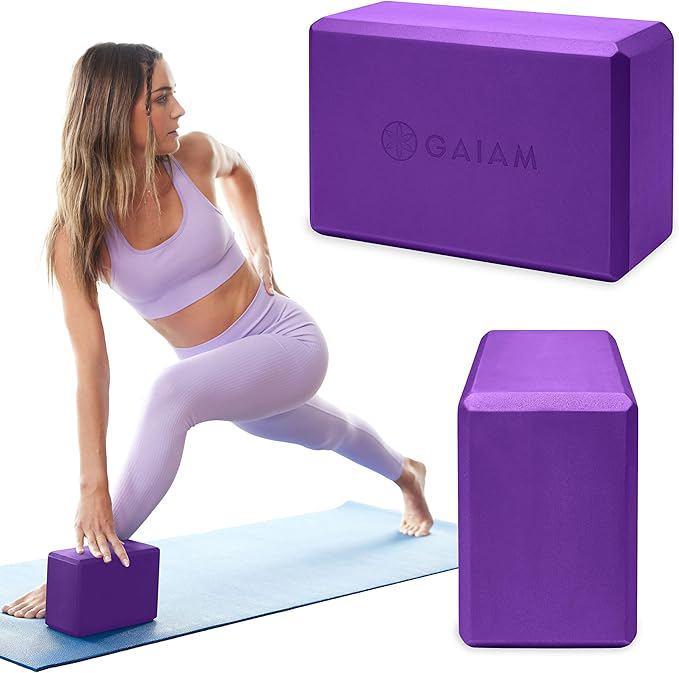
- Forward folds (e.g., Paschimottanasana, standing forward fold): The baby bump creates a physical block. Do not try to fold deeper than the belly allows. Keep a generous bend in your knees and imagine your belly resting on your thighs, not being squished by them. If you can’t feel your breath move easily into your back body, come up higher on blocks or a chair.
- Supine positions (laying on the back): After 20 weeks, the weight of the uterus can compress the vena cava, the major vein returning blood to the heart. This can trigger a drop in blood pressure and an instinct to hold the breath. The rule is simple: if you are lying on your back, do not stay for more than a minute or two, and always have a wedge or bolster under one hip to tilt the uterus off the vena cava. If you feel breathless, roll immediately onto your left side.
- Inversions (e.g., Downward-Facing Dog, Legs-Up-the-Wall): While Downward Dog is generally safe in pregnancy, holding it for a long time can strain the diaphragm and the breath. Keep your head above your heart as much as possible in inversions, and never hold the breath while inverted. If your neck feels strained or you feel pressure in your face, lower to a tabletop position.
How to Break the Cycle
The best tool for preventing breath-holding is a consistent, gentle breath practice that you bring before the challenging pose. Try this simple two-step reset anytime you feel tense.
- Audible sigh: Open your mouth slightly and let out a long, audible sigh on the exhale. This sound—like a soft “haaaaa”—engages your vocal cords and automatically opens the throat. Repeat three times.
- Soft nasal breathing: Close your mouth. Keep the same relaxed jaw. Inhale gently through your nose, counting to four. Exhale gently through your nose, counting to six. The longer exhale activates the parasympathetic nervous system and tells your body it is safe to breathe.
If you are in a class and feel your breath tighten, there is zero shame in skipping a pose or resting in Child’s Pose with your knees wide. Your practice is about connecting with your changing body, not proving anything. The breath is your most reliable guide: if it is smooth and quiet, you are in a safe zone. If it is held, choppy, or silent, you have crossed a line. Listen to it, and adjust.
Prenatal yoga is a gift to your body and your baby. Protect that gift by staying curious about your breath. It is your most honest teacher.