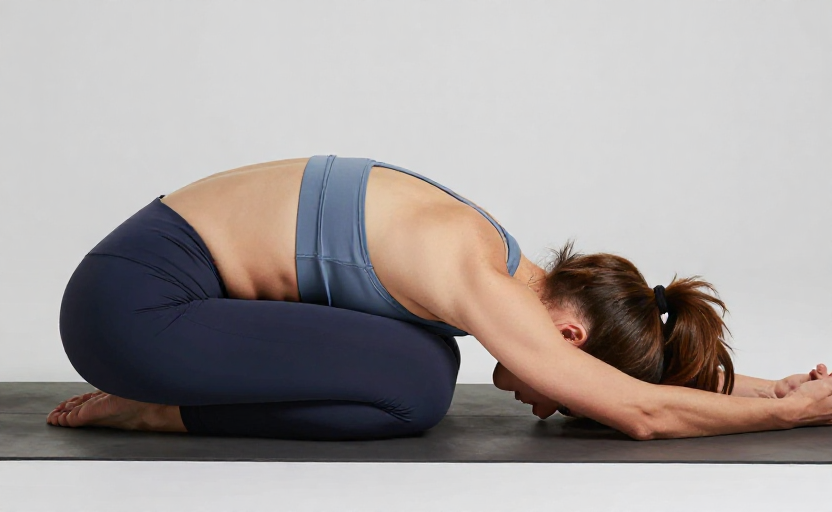
You settle onto your mat, breathe in, and begin to move. In yoga, the space between where you start and where you reach—your range of motion—is where the practice lives. It’s also where the line between beneficial stretch and potential strain can blur. Learning to monitor this safe range isn’t about limiting your practice; it’s about deepening your awareness within it, creating a sustainable practice that supports your body for years.
This internal monitoring shifts the focus from how a pose looks to how it feels. It turns your attention inward, to the subtle signals of breath, sensation, and ease. By understanding and respecting your body’s current boundaries, you build strength and flexibility intelligently, reducing the risk of overextension.
What is range of motion, and why does a "safe" one matter?
Range of motion, simply put, is the full movement potential of a joint. In yoga, we actively explore these ranges. A "safe" range is the sweet spot where you create a therapeutic stretch or strengthen muscles without compromising joint stability or irritating connective tissues like ligaments and tendons.
Pushing consistently past this safe zone—often chasing a deeper expression of a pose—can lead to micro-tears, inflammation, and over time, joint instability or chronic pain. The goal is mindful expansion, not forceful compression.
Your edge in a pose should feel like a sensation you can breathe into, not a pain you need to grit your teeth against.
The primary signals: your body’s communication system
Your body sends clear messages. Learning its language is the first step in monitoring your range.
Sensation vs. Pain: This is the most critical distinction. A productive sensation might be a feeling of stretching, warmth, or muscular engagement. Pain is sharper, often localized in a joint, or feels pinching, shooting, or burning. Pain is a "stop" signal.
The Breath Barometer: Your breath is a real-time feedback loop. When you move into a safe range, your breath should remain steady and controllable, even if it deepens. If you find yourself holding your breath, gasping, or if the breath becomes shallow and ragged, it’s a strong indicator you’ve moved beyond your current safe limit.
Joint Awareness: Pay attention to where you feel the stretch. You generally want to feel it in the belly of the muscle, not directly in the joint. A feeling of compression, pinching, or grinding in a joint like the knee, hip, or shoulder suggests you need to back off and adjust.
Practical techniques for on-the-mat monitoring
These methods turn theory into practice during your flow.
Use the 80% rule
Avoid going to your absolute maximum. Instead, aim for about 80% of what you perceive as your limit. This reserves a buffer of safety, allows your nervous system to relax into the stretch, and makes it easier to maintain proper alignment. It’s in this space that sustainable progress happens.
Employ micro-movements
Once in a pose, make tiny, deliberate movements. In a forward fold, gently nod and shake your head ‘yes’ and ‘no.’ In a hip opener like Pigeon Pose, make minuscule circles with your top knee. These movements help you scan for areas of tension or pinching, allowing you to find the most comfortable, open position within the posture.
Introduce strategic pauses
Instead of flowing straight to your deepest expression, pause at the first noticeable sensation of stretch. Hold for 3-5 breaths. Observe. If the sensation begins to soften and the breath remains easy, you might mindfully explore a millimeter deeper. If not, stay where you are.
How your mindset influences your range
Your mental approach is a powerful moderator of physical boundaries.
Comparison, whether to a neighbor on the next mat or a past version of yourself, can compel you to push unsafely. Cultivate svadhyaya (self-study). Your practice is your own. The body changes daily due to factors like sleep, stress, and activity—honor its present state.
Let go of the idea of a "finished" pose. Yoga is a process, not a performance. The deepest expression of a pose is the one where you are fully present and breathing with awareness, not necessarily the one that looks most impressive.
Adapting common poses for safer exploration
Here’s how to apply this monitoring to familiar territory:
- Forward Fold (Uttanasana): Bend your knees generously. Feel the stretch along your hamstrings, not behind your knees. Let your spine be long, not rounded.
- Downward-Facing Dog (Adho Mukha Svanasana): Focus on lengthening your spine from tailbone to crown. It’s okay if your heels don’t touch the ground. Bend your knees to prioritize a flat back over straight legs.
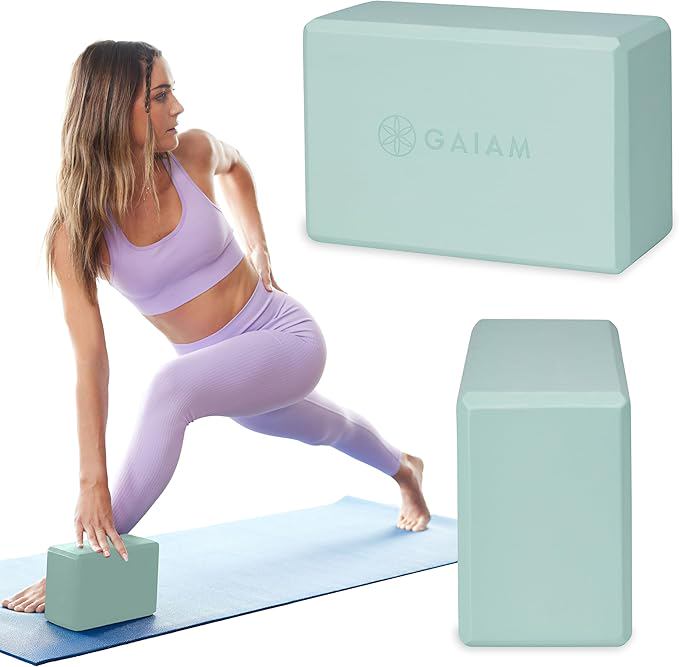
- Pigeon Pose (Eka Pada Rajakapotasana): Ensure your front shin is angled, not parallel to the front mat edge, to protect the knee. If you feel intense sensation in the front hip, place a block or folded blanket under your sitting bone for support.
- Shoulder Stretches: In poses like Gomukhasana (Cow Face) arms, use a strap to bridge the gap between your hands. The goal is to feel a stretch in the shoulders and triceps, not to force a hand clasp.
When to seek guidance
While self-monitoring is key, external perspective is invaluable. A knowledgeable teacher can observe alignment issues you can’t feel. If you have a pre-existing injury, chronic pain, or hypermobility (joints that easily move beyond a typical range), consulting a physical therapist or a yoga therapist can help you establish personalized boundaries and strengthening exercises to support your joints.
Monitoring your safe range of motion transforms yoga from a purely physical exercise into a practice of mindful embodiment. It teaches patience, cultivates self-trust, and ultimately leads to a more resilient and joyful practice. The deepest wisdom isn’t found at your furthest edge, but in the attentive space just before it.