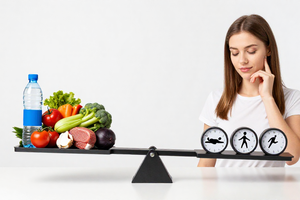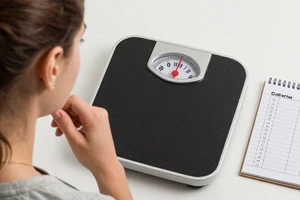

The scale only tells part of the story. When you start a new training routine or adjust your diet, the number on the scale might stay the same even as your body changes shape. That’s because muscle is denser than fat, and water weight fluctuates daily. If you’re serious about tracking real progress, you need practical methods that go beyond simple weight.
Below are reliable, accessible ways to measure body composition changes so you can see the full picture of your health and fitness journey.
Why the scale can be misleading
Daily weight shifts are normal—a large meal, hydration levels, sodium intake, and even time of day can swing the number by a pound or two. If you’re building muscle while losing fat, the scale might not budge. Many people interpret this plateau as failure and give up. But in reality, you could be getting leaner and stronger. That’s why body composition metrics are more informative than total body weight alone.
Simple at-home methods
Measuring tape
A fabric measuring tape is inexpensive and tells you exactly where inches are coming off. Take consistent measurements every two to four weeks at the same spots: waist, hips, chest, thighs, and upper arms. Use the same tape, same time of day (morning is best), and same landmark (e.g., two inches above the navel for waist). A narrowing waistline while your weight stays steady is a clear sign of fat loss and muscle gain.
Progress photos
Photos remove the guesswork. Snap front, side, and back views in consistent lighting wearing the same minimal clothing (bathing suit or shorts and sports bra). Keep the camera at the same height and distance each time. Store them in a private album and compare monthly. Visual changes often show up long before the scale moves.
How your clothes fit
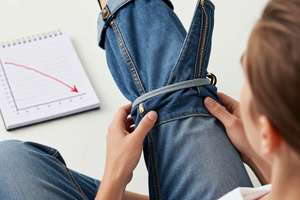
Your favorite jeans or belt loops offer instant feedback. If pants feel looser around the waist and thighs, you’re losing fat. If shirts fit tighter across the shoulders or chest, you’re gaining muscle. This is subjective but reliable for long-term trends.
Body fat percentage tools
Skinfold calipers
Calipers measure subcutaneous fat at specific body sites (usually three or seven points). They’re affordable and give consistent results if you practice the technique. A friend or trainer can help. Record the sum of skinfolds each month. A decreasing sum means you’re losing body fat.
Bioelectrical impedance scales
Many home scales now estimate body fat, muscle mass, and water percentage via a tiny electrical current. Be consistent: use them at the same time of day, before eating or drinking, and with an empty bladder. The absolute numbers can be off, but the trend over months is useful.
A note on accuracy: No consumer device is 100% precise. Focus on the direction of change over time rather than a single number.
DEXA scans and Bod Pod
For a gold-standard measurement, consider a DEXA scan (dual-energy X-ray absorptiometry) or a Bod Pod (air displacement plethysmography). These are available at many universities, athletic clinics, or specialized gyms. They’re more expensive but provide a detailed breakdown of bone density, lean mass, and fat mass. Doing one scan every 6–12 months can validate what you’re seeing at home.
Performance and strength markers
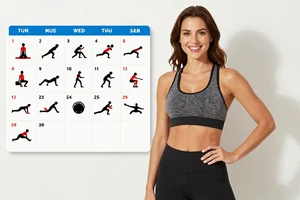
Body composition change also shows up in performance. If you can do more push-ups, lift heavier weights, or run a mile faster while your weight stays the same, you’ve likely gained muscle and lost fat. Keep a simple log of your best lifts, reps, or cardio times. Improving performance is a strong indirect measure of positive body recomposition.
What about the source material?
The original article discussed interval cycling techniques. While interval training is an excellent way to burn calories and improve cardiovascular fitness, the focus here is on how to measure the results of any exercise or diet change—including interval cycling—without relying solely on the scale. The methods above apply whether you’re cycling, lifting, running, or doing yoga.
Key takeaway
Choose one or two methods that you can stick with. Consistency in how you measure matters more than the method itself. Over weeks and months, tracking trends in measurements, photos, and performance will give you a truthful, motivating picture of your changing body.