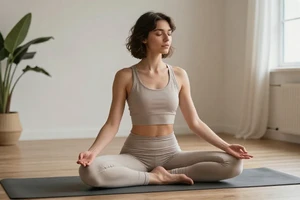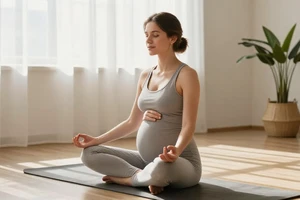
Stress doesn't just live in your mind. It settles into your muscles, stiffens your joints, and shortens your breath. The modern pace often leaves our nervous system stuck in a state of high alert, a physiological response that, over time, can wear down both body and mind. While movement is medicine, sometimes the most powerful prescription isn't about exertion, but about intentional, supported release.
Restorative yoga offers this counterpoint. From a physiotherapy perspective, it's a structured practice of neuromuscular relaxation. It uses props to fully support the body in gentle shapes, allowing muscles to surrender their habitual guarding patterns. This passive support signals the nervous system that it's safe to shift from 'fight-or-flight' into 'rest-and-digest' mode, initiating the body's innate recovery processes. This guide explores how to use these principles for genuine stress recovery.
How Restorative Yoga Differs from Other Yoga
If your typical yoga class feels like active engagement, restorative yoga is its complement: passive reception. You're not stretching to increase flexibility or building strength through holds. Instead, you're positioning the body in a way that minimizes muscular effort, using bolsters, blankets, and blocks to eliminate strain. The goal isn't to 'do' the pose, but to 'be' in it, allowing gravity and support to do the work. This creates the conditions for your nervous system to down-regulate, which is the cornerstone of physiological stress recovery.
The magic happens not in the stretch, but in the stillness that follows once you are fully supported.
Essential Principles for Effective Practice
Success here depends on setting the stage correctly. The environment and your setup are as important as the poses themselves.
Create a Supportive Environment: Choose a quiet, warm space. Have blankets nearby for warmth, as your body temperature may drop during deep relaxation. Dim lighting or an eye pillow can help turn attention inward.
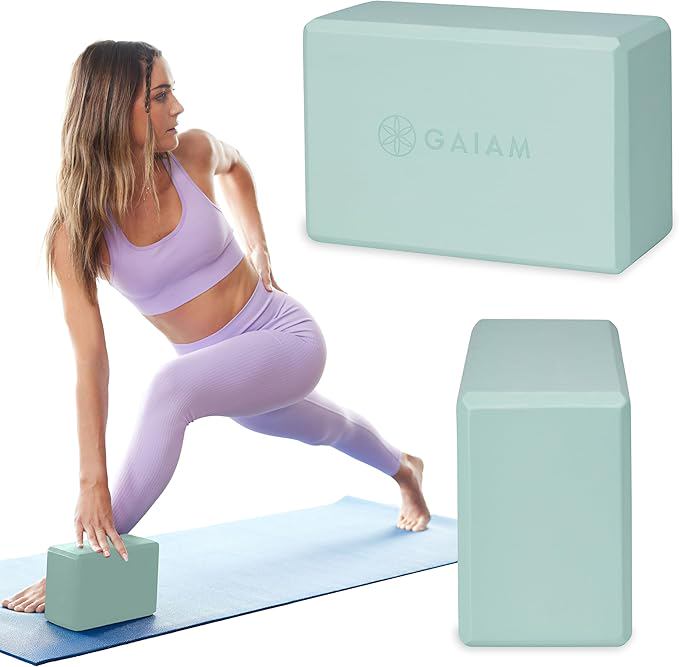
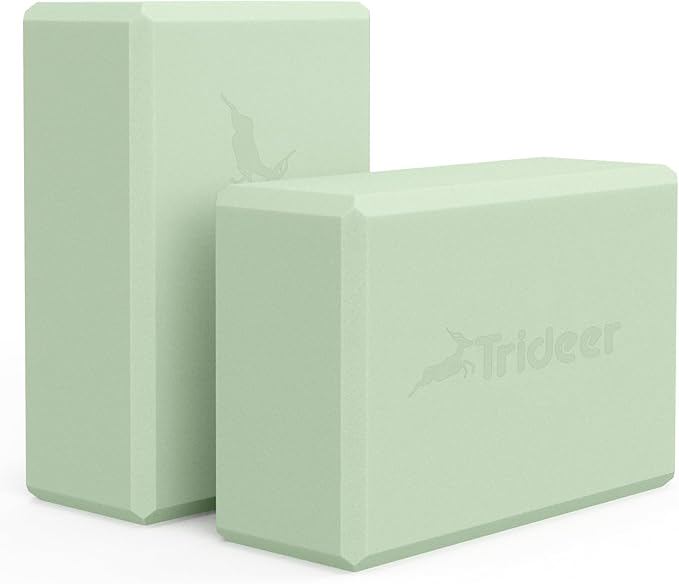
Gather Your Props: Don't force your body into a shape. Use props generously to fill every gap and remove all tension. Essential items include yoga bolsters or firm cushions, several blankets (for padding, elevation, and warmth), blocks, and a strap. A folded towel can substitute for many items in a pinch.
Timing and Breath: Hold each pose for 5 to 20 minutes. This extended time is necessary for the nervous system to respond. Let your breath be natural; simply observe its gradual slowing and deepening as you settle in.
Key Restorative Poses for Stress Recovery
These poses are chosen for their ability to promote a sense of safety, ease breathing, and release areas where stress commonly accumulates: the hips, spine, and shoulders.
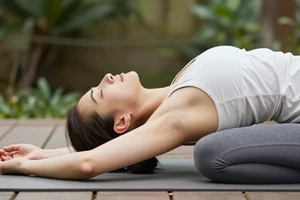
Supported Child's Pose (Balasana)
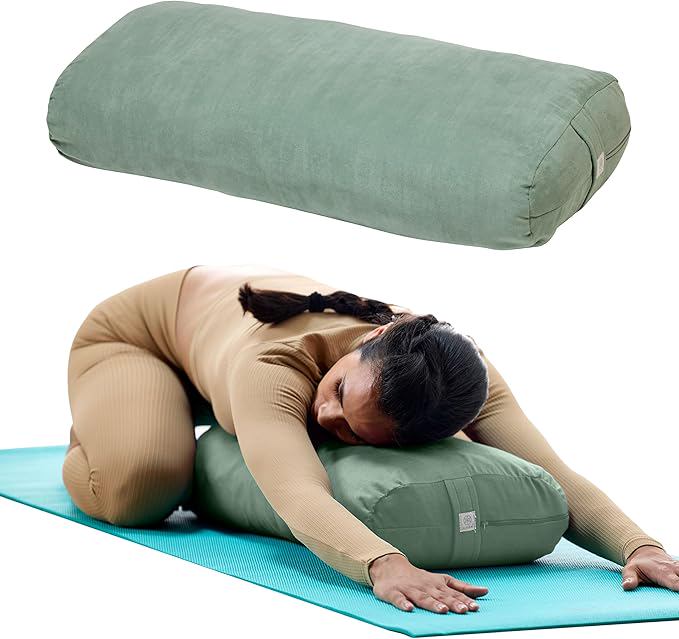
This pose offers a profound sense of containment and safety. Kneel on your mat, big toes touching, and sit back on your heels. Place a bolster or a stack of blankets lengthwise between your thighs. As you fold forward, let your torso rest completely on the support, turning your head to one side. Your arms can rest alongside the bolster or by your sides. This gently compresses the abdomen, which can be soothing, and allows the back to release.
Legs-Up-The-Wall Pose (Viparita Karani)
A classic for circulatory refreshment and calming an overactive mind. Sit with one side of your body close to a wall. As you lie back, swing your legs up the wall. Your sitting bones don't need to touch the wall; a slight gap is fine. Place a folded blanket or bolster under your hips for gentle elevation—this supports the lower back. Let your arms rest out to your sides, palms up. Close your eyes and feel the shift of fluid and energy.
Supported Reclining Bound Angle Pose (Supta Baddha Konasana)
This pose opens the front of the body and the hips in a passive, heart-centered way. Sit with the soles of your feet together, knees falling out to the sides. Place a bolster or several stacked blankets behind you, lengthwise along your spine. Slowly recline back onto the support, ensuring it runs from your lower back to your head. Support each knee with a block or a rolled blanket to prevent strain in the inner thighs. This position encourages a gentle opening across the chest and diaphragm, facilitating deeper breathing.
Supported Savasana (Corpse Pose)
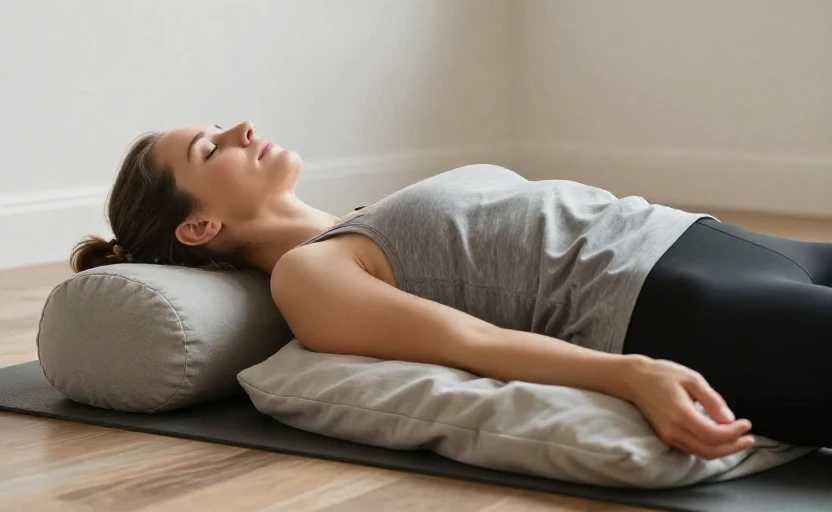
Transform the traditional final relaxation into a deeply nurtured experience. Lie on your back. Place a bolster or a rolled blanket under your knees to release tension in the lower back. A thin pillow or folded blanket under your head keeps your neck in a neutral alignment. Consider a sandbag or light weight (like a bag of rice) across your hips or on your abdomen—the gentle, grounding pressure can be incredibly calming for the nervous system. Cover yourself with a blanket for warmth.
Integrating the Practice into Your Life
You don't need a full 90-minute sequence to benefit. Even one pose, held for 10 minutes at the end of a demanding day, can serve as a powerful reset button. Listen to what your body needs: a forward fold like Child's Pose for introspection and calm, or Legs-Up-The-Wall for fatigue and heaviness in the legs. The consistency of a short, regular practice—even just 15 minutes, three times a week—is more impactful than an occasional marathon session.
Notice subtle signs of release: a sigh, a sense of warmth, a softening in the jaw or belly, or a quieting of the mental chatter. These are indicators that your nervous system is responding. If your mind wanders, gently guide your awareness back to the physical sensation of support—the bolster under your back, the blanket's weight, the floor beneath you. This anchors you in the present and deepens the relaxation response.
A Note of Caution
While restorative yoga is gentle, always honor your body's signals. If you have specific injuries, particularly in the knees, hips, or spine, or conditions like glaucoma or high blood pressure, consult with a healthcare provider or an experienced yoga therapist to adapt poses safely. Discomfort is a sign to adjust your props; you should feel nurtured, not strained.
Ultimately, this practice is a form of repatterning. It teaches a system accustomed to tension that it is allowed to rest. By creating external support, we cultivate an internal capacity for recovery, building resilience not through force, but through skillful surrender.