Creating a calorie deficit is the simple math behind weight loss, but the experience of it doesn’t have to feel like deprivation. The real challenge isn't just eating less; it's eating in a way that keeps you feeling full, energized, and satisfied while you do it. The secret lies not in a specific diet, but in how you build your plate.
Think of your plate as a blueprint for satisfaction. By focusing on the right combination of foods, you can turn a potentially hungry and frustrating process into a sustainable, even enjoyable, journey. This guide walks you through the principles of constructing a plate that supports your goals without leaving you feeling like you're missing out.
What is a Calorie Deficit Plate?
A calorie deficit plate is a visual and practical framework for assembling meals that are lower in calories but high in volume, nutrients, and satiety. It shifts the focus from what you're removing to what you're generously adding. The goal is to maximize the amount of food you can eat for a given number of calories, prioritizing ingredients that keep you fuller for longer. This approach naturally crowds out more calorie-dense, less satisfying options.
The goal isn't to eat as little as possible, but to eat as much satisfying food as possible within your calorie needs.
The Core Components of a Satisfying Plate
Every satisfying meal is built on a foundation of three key elements. Getting the balance right is what makes the deficit feel effortless.
1. Volume from Non-Starchy Vegetables
This is your plate's secret weapon for fighting hunger. Non-starchy vegetables like leafy greens, broccoli, cauliflower, peppers, zucchini, mushrooms, and tomatoes are incredibly low in calories but high in water and fiber. They add crucial bulk to your meal, physically filling your stomach and slowing digestion.
Aim to fill half your plate with these colorful, crunchy, or steamed veggies. They are the ultimate tool for creating visually large, satisfying meals without a calorie overload.
2. Lean Protein for Sustained Fullness
Protein is the most satiating macronutrient. It takes more energy to digest and triggers hormones that signal fullness to your brain. Including a solid source of lean protein at every meal helps prevent the energy crashes and between-meal snacking that can derail your efforts.
Reserve a quarter of your plate for protein sources like:
- Chicken or turkey breast
- Fish and seafood
- Lean cuts of beef or pork
- Tofu, tempeh, or edamame
- Legumes like lentils, chickpeas, or black beans
- Low-fat cottage cheese or Greek yogurt
3. Fiber-Rich Carbohydrates for Energy
Carbohydrates are your body's preferred energy source, and including them helps maintain mood, focus, and workout performance. The key is choosing complex, fiber-rich carbs that digest slowly, providing steady energy rather than a quick spike and crash.
Allocate the remaining quarter of your plate to choices like:
- Whole grains (quinoa, brown rice, farro, oats)
- Starchy vegetables (sweet potato, squash, corn)
- Whole-grain bread or pasta
- Beans and lentils (which also count as protein)
Putting It All Together: A Visual Guide
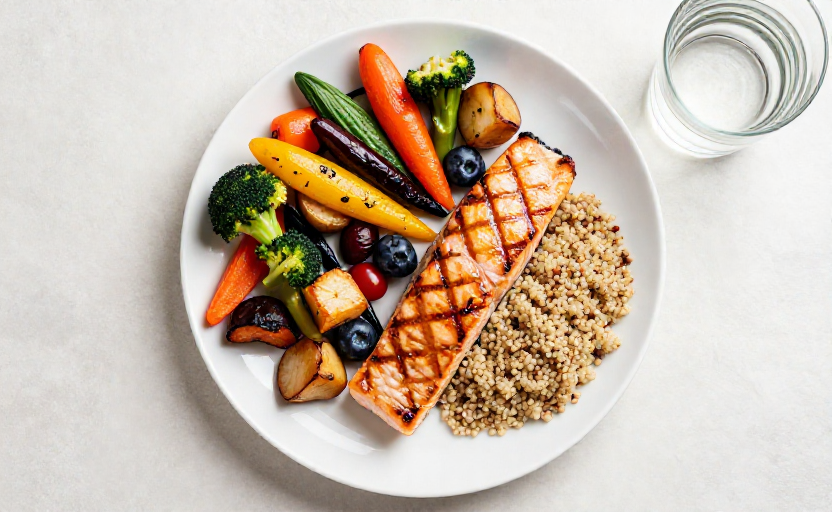
Imagine your standard dinner plate. Now, divide it mentally:
- 50% Non-Starchy Vegetables: A large heap of roasted broccoli and a mixed green salad.
- 25% Lean Protein: A palm-sized portion of grilled salmon.
- 25% Fiber-Rich Carbs: A fist-sized serving of quinoa or half a baked sweet potato.
This template is adaptable to any cuisine. For a stir-fry, load it with veggies (50%), add chicken or tofu (25%), and serve it over a moderate portion of brown rice (25%). For a taco bowl, use lettuce and peppers as the base (50%), top with seasoned black beans (25% protein, can count as carb too), and a small serving of corn or whole-grain tortilla strips (25%).
The Role of Healthy Fats and Flavor
A satisfying plate is also a flavorful one. Don't fear fats—they are essential for absorbing vitamins and adding richness that makes a meal feel complete. The trick is to use them intentionally, not liberally.
Add a controlled amount of healthy fat for flavor and satiety:
- A drizzle of olive oil or a sprinkle of nuts/seeds on a salad.
- Half an avocado sliced on top of your bowl.
- A tablespoon of a flavorful sauce, like tahini or a yogurt-based herb dressing.
Herbs, spices, citrus juice, garlic, ginger, and vinegar are your best friends for adding big flavor with minimal calories.
Hunger is the enemy of any diet. A well-built plate disarms that enemy by focusing on fullness first.
Common Pitfalls and How to Avoid Them
Even with a good framework, it's easy to stumble. Here’s how to steer clear of common mistakes.
Pitfall 1: Skimping on Protein or Veggies. This is the fastest route to hunger. If your plate is mostly carbs and fats, you'll likely be searching for a snack soon after. Always check your plate proportions before you eat.
Pitfall 2: Underestimating "Healthy" Fats and Sauces. Avocado, olive oil, nuts, and dressings are nutritious but calorie-dense. Measure them with a spoon instead of pouring freely to keep your deficit on track.
Pitfall 3: Drinking Your Calories. Sugary coffees, sodas, juices, and alcohol add significant calories without providing any satiety. Prioritize water, sparkling water, herbal tea, or black coffee.
Pitfall 4: Fear of All Carbohydrates. Cutting out entire food groups is unsustainable. Including a satisfying portion of complex carbs prevents cravings and provides the energy you need to stay active.
Making It Work for You
This plate method is a guideline, not a rigid rule. Some days you might want a larger portion of protein after a hard workout, or a bigger serving of carbs. Listen to your body's cues. The core principle is non-negotiable: prioritize foods that promote fullness.
Start by practicing this framework at one meal a day, likely dinner where it's easiest to control. As it becomes habit, apply it to lunch and breakfast (for breakfast, think of a bowl: half spinach, quarter eggs, quarter oats). This isn't a short-term diet; it's a sustainable way to eat that supports your health and weight goals simultaneously.