
When we talk about a "fast metabolism," it often feels like a genetic lottery—something you either have or you don't. But the truth is, your metabolism is far more responsive to your daily choices than you might think. While you can't magically rev your internal engine, you can absolutely create an environment where it functions optimally. This is where a thoughtful, metabolism-friendly meal plan comes in. It's not about drastic restriction or strange supplements; it's a framework built on consistency, nutrient balance, and strategic timing to support your body's natural energy-burning processes.
Think of it as providing steady, high-quality fuel for a complex machine. When you skip meals, skimp on protein, or rely on processed foods, you're asking that machine to run erratically. A metabolism-friendly plan, however, ensures a consistent supply of the right nutrients. This helps regulate blood sugar, maintain calorie-burning lean muscle, and keep your energy levels stable—all of which contribute to a more efficient metabolism over time.
What does "metabolism-friendly" really mean?
First, let's move away from the idea of "boosting" metabolism with a single food or drink. A metabolism-friendly approach is holistic. It focuses on reducing the metabolic stressors that can slow things down, like erratic eating patterns or nutrient deficiencies, while supporting the body's inherent calorie-burning activities—digesting food, maintaining muscle, and powering your cells.
The core pillars are simple: prioritize protein, embrace fiber, choose smart carbohydrates, include healthy fats, and stay hydrated. When these elements are woven together consistently, they create a synergistic effect that helps your metabolism run smoothly.
The building blocks of your plate
Every meal and snack is an opportunity to support your metabolism. Instead of fixating on calories alone, consider the composition of your plate. A balanced framework ensures you get the nutrients needed for satiety, energy, and metabolic function.
Protein: The metabolic workhorse
Protein is essential for building and repairing muscle tissue. Since muscle is more metabolically active than fat—meaning it burns more calories at rest—preserving it is key. Protein also has a high thermic effect of food (TEF), meaning your body uses more energy to digest it compared to fats or carbs.
Include a source of lean protein at every meal. This provides a steady stream of amino acids, promotes fullness, and supports that calorie-burning metabolic tax.
Think beyond just chicken breast. Excellent sources include fish, eggs, legumes like lentils and chickpeas, tofu, tempeh, Greek yogurt, and cottage cheese.
Fiber: The regulator
Found abundantly in vegetables, fruits, whole grains, and legumes, fiber slows the absorption of sugars into your bloodstream. This helps prevent the spikes and crashes in blood sugar that can lead to energy slumps and increased fat storage. Fiber also feeds the beneficial bacteria in your gut, which emerging research suggests plays a role in metabolic health.
Smart carbohydrates and healthy fats
Carbohydrates are not the enemy; they're your body's preferred energy source. The goal is to choose complex carbs that come packaged with fiber and nutrients. Swap refined grains for whole grains like quinoa, oats, and brown rice, and pair carbs with protein and fat to further slow digestion.
Healthy fats from sources like avocados, nuts, seeds, and olive oil are crucial for hormone production, including hormones that regulate appetite and metabolism. They also increase satiety, helping you feel satisfied after a meal.
Putting the framework into practice
How does this look in real life? It's about creating simple, repeatable patterns.
Start with a protein-forward breakfast. Skipping breakfast can put your body in a conservation mode. A morning meal with protein signals that fuel is available. Try scrambled eggs with spinach, Greek yogurt with berries and nuts, or a protein smoothie.
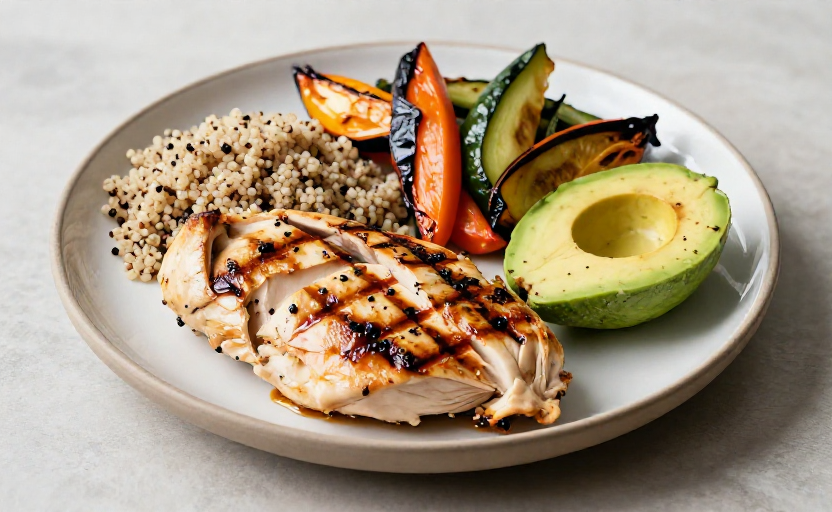
Build a balanced plate at lunch and dinner. Use this visual guide: fill half your plate with non-starchy vegetables (like broccoli, peppers, or leafy greens), a quarter with lean protein, and a quarter with a complex carbohydrate or starchy vegetable.
Incorporate strategic snacks. If there are more than 4-5 hours between meals, a planned snack can prevent extreme hunger and overeating later. Combine two food groups, like an apple with almond butter, carrots and hummus, or a small handful of trail mix.
Stay hydrated. Water is involved in every metabolic process in your body. Even mild dehydration can slow metabolism. Herbal teas and sparkling water count, too.
Timing and consistency matter
While what you eat is paramount, when you eat also plays a supporting role. Erratic eating—like having a tiny breakfast, skipping lunch, and then a huge dinner—can be stressful for your metabolism. It's like asking a fire to blaze high after being starved of wood all day.
Aim for a relatively consistent eating schedule. For most people, this means eating every 3 to 5 hours. This pattern helps maintain stable blood sugar levels, provides a steady energy supply, and prevents the muscle breakdown that can occur during long periods without protein.
Listen to your hunger cues. The goal isn't to eat if you're not hungry, but to prevent yourself from becoming ravenously hungry, which often leads to less mindful food choices.
A sample day of metabolism-friendly eating
To see how the framework comes together, here’s what a day might look like:
- Breakfast: Oatmeal made with milk or a milk alternative, stirred with a scoop of protein powder or a dollop of Greek yogurt, topped with sliced almonds and blueberries.
- Lunch: A large salad with mixed greens, grilled chicken or chickpeas, quinoa, avocado, cherry tomatoes, and a vinaigrette dressing.
- Snack: Cottage cheese with cucumber slices and a sprinkle of everything bagel seasoning.
- Dinner: Baked salmon, a generous portion of roasted broccoli and cauliflower, and a small sweet potato.
This is just one example. The framework is flexible—you can adapt it to any cuisine, dietary preference, or schedule. The constants are balance, nutrient density, and regularity.
Building a metabolism-friendly meal plan is a practice in nourishing consistency. It’s a gentle, sustainable approach that respects your body's needs, providing the right tools to help it function at its best. By focusing on whole foods, balanced plates, and regular nourishment, you create a solid foundation not just for metabolic health, but for overall well-being.