
Building a strong, resilient core isn't just about the exercises you do on the mat or the gym floor. What you put on your plate before and after your workout plays a starring role in how effectively you build that foundational strength. Think of your core muscles like any other construction project: you need the right materials delivered at the right times for a solid, lasting result.
Nutrition for core strength follows the same fundamental principles as fueling for other fitness goals, but with a particular emphasis on supporting the stability and endurance of your midsection. It’s less about magic foods and more about strategic timing and quality ingredients that reduce inflammation, support repair, and provide sustained energy for those challenging holds and dynamic movements.
What Makes Core Training Different?
Core workouts often involve isometric holds—like planks—and repetitive, controlled movements that challenge muscular endurance as much as raw power. This type of training demands a steady supply of energy to maintain form and engagement over time, rather than a sudden, explosive burst. Your nutritional strategy should reflect that need for stamina.
Furthermore, a strong core is your body's central pillar, involved in nearly every movement you make. Keeping the supporting tissues well-nourished and reducing exercise-induced inflammation in the area is crucial for consistent progress and avoiding the setbacks of strain or overuse.
Fueling Up: Your Pre-Workout Window
The goal before a core-focused session is to top off your energy stores without feeling heavy or sluggish. You want a gentle, accessible source of fuel that won’t sit in your stomach during twists and hollow holds.
Timing is your first lever. For a larger meal, aim for about 2 to 3 hours before your workout. If you’re eating a smaller snack, the 30-to-60-minute window beforehand is often ideal. Listen to your body; some people feel great with a small bite right before, while others need more digestion time.
The ideal pre-workout bite combines easily digestible carbohydrates with a tiny bit of protein. The carbs provide the ready energy, while the small amount of protein can help kickstart the muscle-preserving process.
- Simple options: A banana with a small spoonful of almond butter, a few whole-grain crackers with a slice of turkey, or a small cup of oatmeal topped with berries.
- Hydration is non-negotiable. Sip water consistently in the hours leading up to your session. Starting a core workout even mildly dehydrated can lead to premature fatigue and cramping, especially in the abdominal muscles.
Think of your pre-workout fuel as a steady-burning log on a fire, not a splash of gasoline. You want sustained warmth, not a flash.
The Recovery Phase: Post-Workout Nutrition
This is where the real building happens. After you’ve challenged your core, your body shifts into repair mode. The 30-to-60-minute period after your workout is often called the "anabolic window"—a prime time to provide the nutrients your muscles need to rebuild stronger.
The post-workout priority is a combination of protein to provide amino acids for muscle repair and carbohydrates to replenish the glycogen you used for energy and to help shuttle those amino acids into the muscles.
Building Blocks for Repair
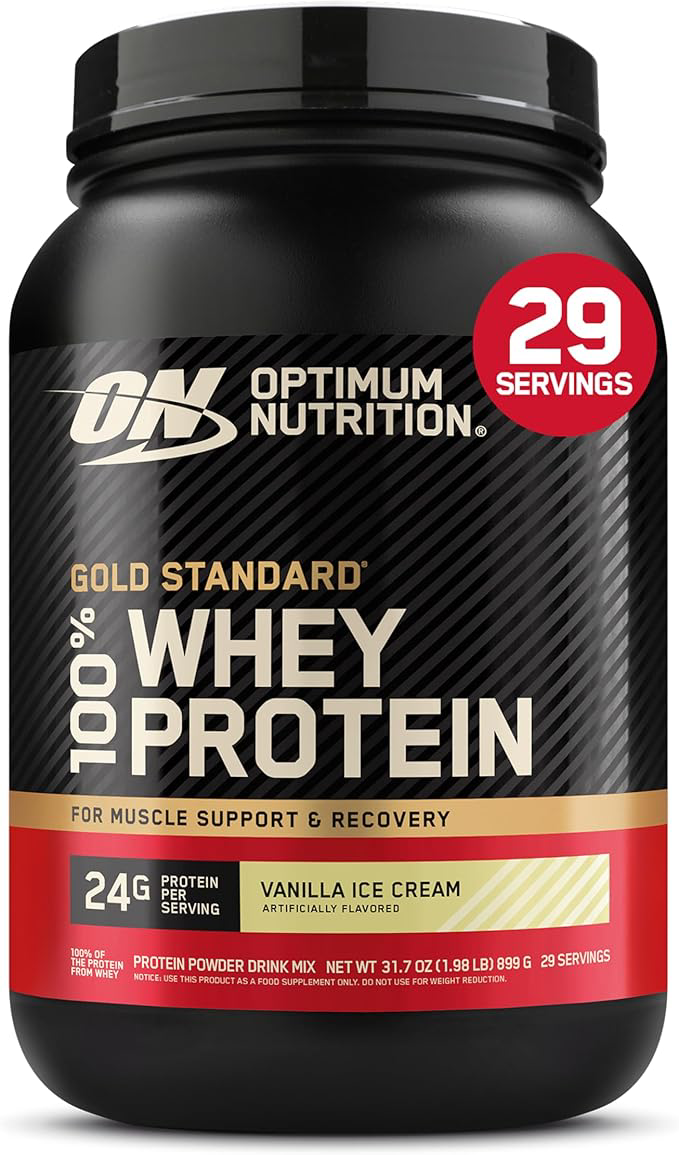
Aim for a meal or snack with a good source of lean protein. Options like grilled chicken, fish, eggs, tofu, tempeh, Greek yogurt, or a quality protein powder can all fit the bill. Pair it with a nutrient-rich carbohydrate source: sweet potato, quinoa, brown rice, or a variety of colorful vegetables.
Don’t overlook anti-inflammatory foods. Core work can create micro-tears and inflammation in the deep stabilizing muscles. Foods rich in omega-3 fatty acids (like salmon, walnuts, and chia seeds) and antioxidants (found in deeply colored berries, leafy greens, and turmeric) can help modulate the natural inflammatory response and support smoother recovery.
Hydration: The Silent Partner in Core Strength
Water is fundamental for every metabolic process, including muscle contraction and nutrient transport. For the core, which is so deeply involved in spinal stability and posture, proper hydration helps maintain the elasticity and function of the connective tissues and intervertebral discs.
Make water your primary beverage throughout the day. If your workout was particularly long or sweaty, you might also consider replenishing electrolytes with a natural option like coconut water or a simple snack that contains a bit of sodium and potassium.
Foods to Support Your Journey
Beyond the workout windows, your overall diet sets the stage. Consistently including certain foods can create an internal environment conducive to building strong, lean muscle and reducing unhelpful bloating that can obscure your progress and make exercises feel uncomfortable.
- Fiber-rich vegetables: Asparagus, spinach, broccoli, and zucchini support digestion and provide essential vitamins and minerals.
- Lean proteins: Consistent intake throughout the day supports ongoing muscle protein synthesis.
- Healthy fats: Avocado, olive oil, nuts, and seeds support joint health and hormone function, both critical for long-term strength gains.
- Fermented foods: Yogurt, kefir, kimchi, and sauerkraut promote a healthy gut, which can reduce feelings of distension and support overall nutrient absorption.
Conversely, it can be helpful to notice how foods high in refined sugars, excessive sodium, or certain types of fiber (like beans or cruciferous veggies for some people) make you feel before a workout. While no food is universally off-limits, timing them away from your training can often lead to more comfortable and effective sessions.
Ultimately, the best nutrition plan is the one you can sustain—one that makes you feel energized, recovered, and ready to tackle your next core challenge. It’s not about perfection, but about thoughtful patterns. Pairing consistent, quality nutrition with your core training is how you build strength that’s visible, functional, and deeply rooted from the inside out.