
You’ve been doing everything right. The meals are planned, the workouts are consistent, and yet, the scale hasn’t budged in weeks. That frustrating standstill—the weight loss plateau—is a common, yet deeply discouraging, part of the journey. It’s not a sign of failure, but rather a signal from your body that it’s time to adapt your approach.
Instead of drastic measures or fad diets, a strategic, thoughtful reassessment is what truly moves the needle. Let’s walk through a dietitian-informed, three-step plan to understand why progress has stalled and how to gently nudge your body back into a state of change.
Step 1: Recalibrate Your Intake and Output
When weight loss first begins, the changes are often noticeable. But as you lose weight, your body requires less energy to function. The calorie deficit that once spurred loss may have quietly closed. This first step is about fine-tuning the fundamentals.
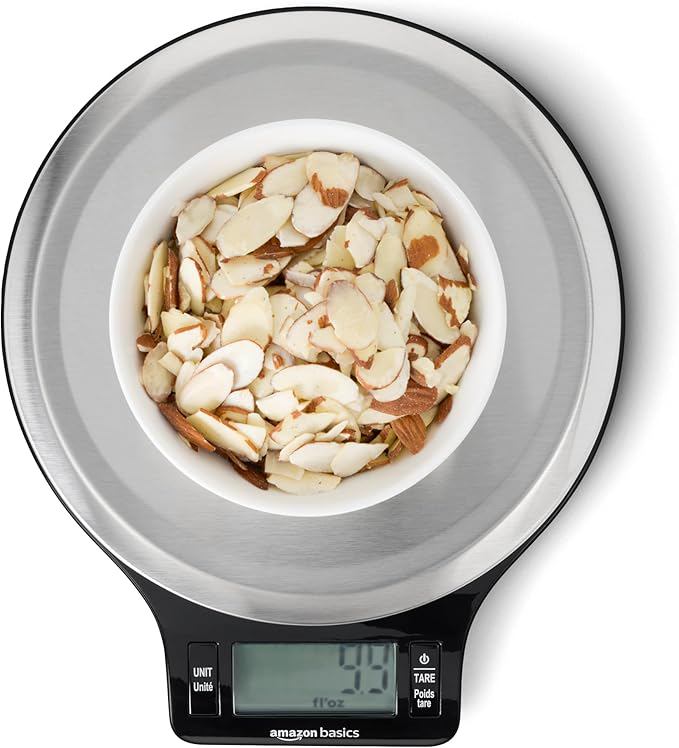
Review your portions. It’s possible to eat wholesome foods but in quantities that maintain your current weight. As nutritionist Avni Kaul points out, “One of the reasons for this problem could be that the person is eating healthy but in larger portions.” Consider using measuring cups, a food scale for a short reality-check period, or simply switching to slightly smaller plates to visually recalibrate your sense of a serving.
Audit your movement. Has your exercise routine become too comfortable? Your body adapts to repetitive stress, becoming more efficient—and burning fewer calories—doing the same activity. This is a perfect time to introduce a new form of movement or increase the intensity of your current workouts. Adding intervals, increasing weight, or trying a new class can provide the novel stimulus your metabolism needs.
“Muscle and bone weakness are also indicators of a vitamin D deficiency,” notes Kaul, highlighting that a plateau isn't just about calories—it can be a sign of a deeper nutritional need.
Step 2: Investigate Hidden Nutritional Factors
Sometimes, the barrier isn’t just about calories in versus calories out. Specific nutrient levels can significantly influence your body’s ability to manage weight. One of the most researched in this context is vitamin D.
Research, including a study in the International Journal of Endocrinology, has found that women with adequate vitamin D levels experienced more weight loss compared to those who were deficient. Another study in Nutrition Journal noted that increased vitamin D intake led to a decrease in body fat percentage among participants.
Why does this matter? Vitamin D functions almost like a hormone, influencing how your body stores fat and regulates key chemicals. It impacts testosterone, which helps reduce body fat and block new fat cell formation, and serotonin, which helps regulate appetite and satiety. A deficiency can quietly undermine your efforts.
Modern lifestyles often contribute to this gap. As Kaul explains, “There aren’t too many food sources of vitamin D. And even though sunlight exposure of 15-20 minutes can fulfil your requirements, the application of sunscreens… hinder the absorption.” Odd working hours and covered skin outdoors further limit our primary natural source.
Step 3: Implement Targeted, Sustainable Solutions
With a clearer picture of potential causes, you can apply focused solutions without overhauling your entire life. This step is about intentional addition, not deprivation.
Prioritize sunlight. Aim for 15-20 minutes of direct sun exposure on bare arms and legs, preferably in the early morning or late afternoon, a few times a week. This is the most natural way to boost levels.
Incorporate vitamin D-rich foods. While few foods are naturally high in vitamin D, you can consciously include more of them. Good sources include:
- Fatty fish like salmon, mackerel, and sardines
- Egg yolks
- Fortified dairy or plant-based milks and orange juice
- Mushrooms exposed to ultraviolet light
Consider a supplement, with guidance. If sunlight exposure is limited and dietary sources are insufficient, a supplement may be necessary. It’s crucial to speak with your doctor first. They can test your levels and recommend an appropriate dosage, as excessive vitamin D can lead to negative side effects like nausea and calcium buildup.
Overcoming a plateau is less about pushing harder and more about observing smarter. It’s a process of recalibrating your energy balance, checking for hidden nutritional gaps like vitamin D, and implementing gentle, targeted corrections. Progress is rarely a straight line. By responding to this standstill with curiosity and a structured plan, you can move past it and continue forward on your path, feeling more knowledgeable and in tune with your body than before.