
After a tough workout, the last thing you want is to spend an hour scrubbing pans. The magic of a one-pan dinner is that it minimizes cleanup while maximizing nutrition. When you combine that with a little meal prep, you can have a week's worth of satisfying, post-workout meals ready in the time it takes to do one load of laundry.
The goal is to pack in lean protein for muscle repair, complex carbohydrates for energy replenishment, and colorful vegetables for antioxidants and fiber. These seven strategies will help you build a routine that feels effortless, not exhausting.
1. Pick Your Protein and Prep It First
Protein is the cornerstone of any post-workout meal. Choose a versatile, easy-to-cook option like boneless, skinless chicken breasts, turkey cutlets, firm tofu, or wild salmon. On your meal prep day, season and portion the protein raw into individual zipper bags. When you’re ready to cook dinner, you can toss the contents of one bag directly onto your sheet pan or skillet. This eliminates the step of handling raw meat and measuring spices every night. A simple marinade of olive oil, lemon juice, garlic, and herbs works for almost any protein and keeps well in the fridge for up to three days.
2. Commit to a Single Sheet Pan
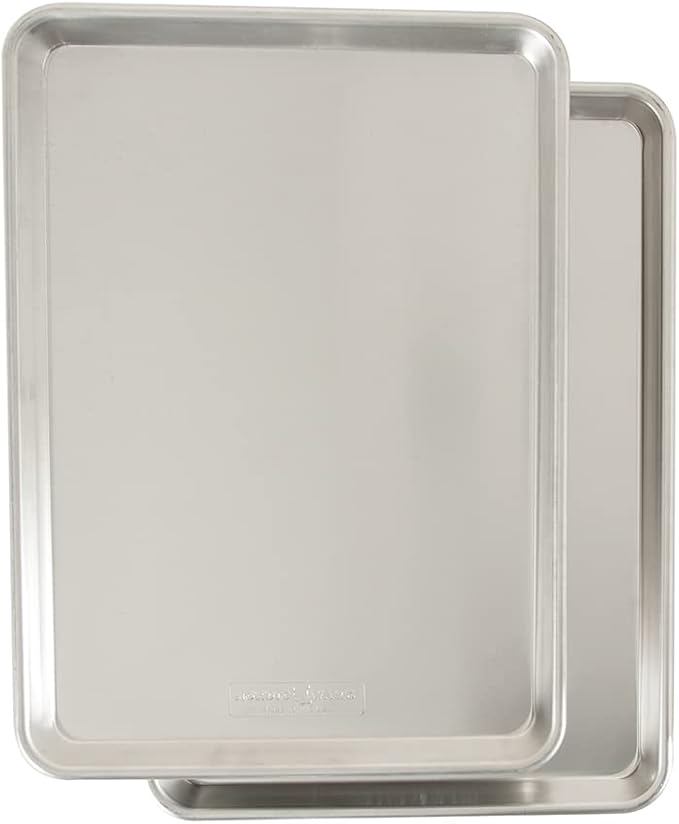
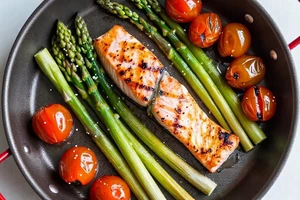
The sheet pan dinner is the ultimate time-saver. All your ingredients—protein, vegetables, and even starch—cook together on one rimmed baking sheet. To make this work for post-workout meals, focus on vegetables that roast well and complement your chosen protein. Broccoli, bell peppers, sweet potatoes (diced small), and cherry tomatoes are great choices. Toss everything in a little oil and your favorite spice blend (taco seasoning, Italian herbs, or a simple salt and pepper) and spread in a single layer. Roast at 400°F for 20–25 minutes. The key is to cut everything to a similar size so it cooks evenly.
3. Batch Roast Your Veggies for the Week
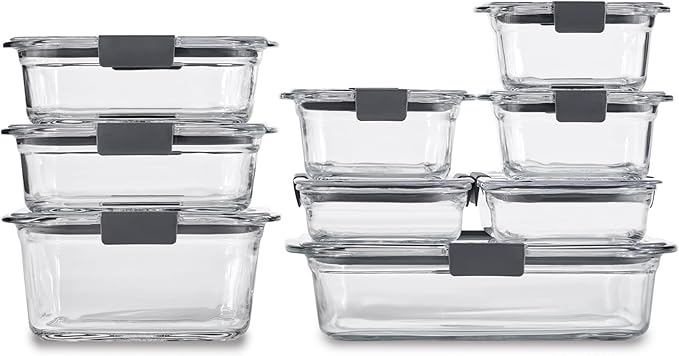
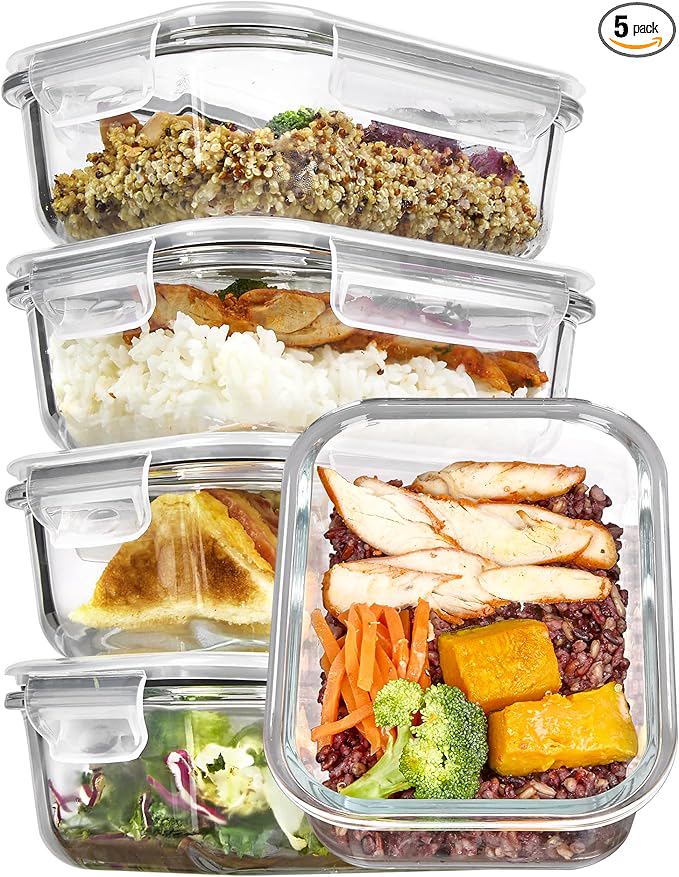
While you can roast fresh vegetables nightly, batching them is even faster. On Sunday, wash, chop, and roast a large sheet pan of sturdy vegetables like broccoli florets, cauliflower, Brussels sprouts, and asparagus. Let them cool, then store them in an airtight container in the fridge. For a post-workout dinner, you just need to reheat the veggies in your one-pan dish while your protein cooks. This shaves ten minutes off your cook time and ensures you always have a serving of vegetables ready to go.
4. Use a Slow Cooker or Instant Pot as a One-Pan Alternative
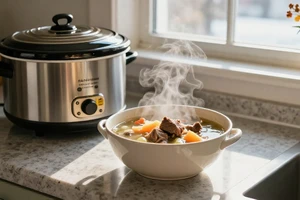
Not every meal needs to happen in the oven. A slow cooker or an Instant Pot can function as a single-pot meal and is a fantastic tool for meal prep. For a post-workout dinner, try a one-pot chili with lean ground turkey, canned black beans, diced tomatoes, and chili spices. Or create a lentil and sweet potato stew. The beauty of this method is that you can set it and forget it. For instant pot meals, the cooking time is often just a few minutes, with no need to watch a pot. Portion the finished meal into containers for grab-and-go dinners throughout the week.
5. Master the 15-Minute Skillet Meal
For nights when you are truly pressed for time, have a few 15-minute skillet meals in your rotation. The technique is simple: cook your protein first, remove it, then sauté your bagged or pre-chopped veggies in the same pan. A quick sauce of tomato paste, water, and Italian seasoning can cling to the ingredients and create a cohesive dish. Think of a quick chicken and broccoli stir-fry or a ground turkey and zucchini hash. Because the pan is already hot and the ingredients are prepped, the whole meal comes together in the time it takes to check your email.
Pro Tip: Keep a bag of frozen stir-fry vegetables and a jar of pre-minced garlic on hand for the ultimate zero-prep skillet meal.
6. Cook Grains in Bulk and Reheat Them
Complex carbohydrates like brown rice, quinoa, or farro are essential for refueling your glycogen stores after a workout. Instead of cooking a fresh batch every night, make a large pot on the weekend. Once cooked, spread the grains on a baking sheet to cool quickly, then store them in the fridge in a sealed container. They will keep for five to seven days. When you make your one-pan dinner, simply scoop a portion of the grain into the pan during the last five minutes of cooking, or serve it as a base. Reheating is fast and simple, and you avoid the time-consuming rinse-and-boil cycle.
7. Embrace the “Marry” Method for Flavor
A common complaint about meal prep is that meals taste repetitive. The “marry” method solves this by combining different components at the last minute. Cook your protein, pre-roasted vegetables, and grain separately (all in one batch). Then, for each dinner, you combine a serving of each in a single skillet with a new sauce or seasoning. For example, Monday’s dinner could be chicken, broccoli, and quinoa with a teriyaki glaze, while Tuesday’s is the same chicken and broccoli with a spoonful of pesto and a sprinkle of Parmesan. The cooking work is done, but the flavor experience feels fresh every night.
By blending these strategies into your weekly routine, you can cut down on cooking and cleanup time while still feeding your body exactly what it needs to recover and rebuild after exercise. A little planning on the front end leads to effortless, nutritious dinners all week long.