
Busy weeknights often mean the last thing you want to do is spend an hour in the kitchen. But eating well for your heart doesn't have to involve complicated recipes or a pantry full of exotic superfoods. Dietitians know that a handful of everyday ingredients can be the foundation for quick, nourishing meals that support cardiovascular health. Here are seven staples they always have within reach.
1. Canned Beans (Especially Chickpeas and Kidney Beans)
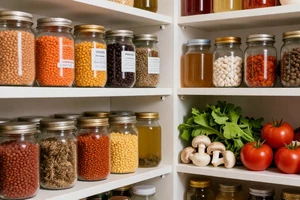
Beans are a powerhouse of soluble fiber, which helps lower LDL (or "bad") cholesterol. They’re also a fantastic source of plant-based protein and magnesium, a mineral that supports healthy blood pressure. Dietitians love that you can open a can, rinse the beans, and add them to salads, soups, or grain bowls in minutes. They are the ultimate shortcut to a filling, heart-healthy meal.
2. Frozen Fatty Fish (Like Salmon or Mackerel)
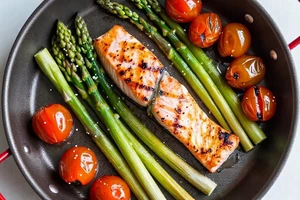
Fresh fish is great, but frozen fillets are just as nutritious and far more convenient. Fatty fish are rich in omega-3 fatty acids (EPA and DHA), which are linked to lower triglycerides, reduced inflammation, and a lower risk of heart rhythm disorders. Keep a bag of individually frozen salmon or mackerel in your freezer. It thaws quickly under cold water and can be baked, pan-seared, or air-fried in under 20 minutes.
3. Extra-Virgin Olive Oil
This is a non-negotiable for many dietitians. Rich in monounsaturated fats and antioxidants called polyphenols, extra-virgin olive oil is a cornerstone of the heart-protective Mediterranean diet. Use it for sautéing vegetables, drizzling over roasted dishes, or whisking into a simple vinaigrette. It’s a simple swap for butter or other less healthy fats that can improve your cholesterol profile.
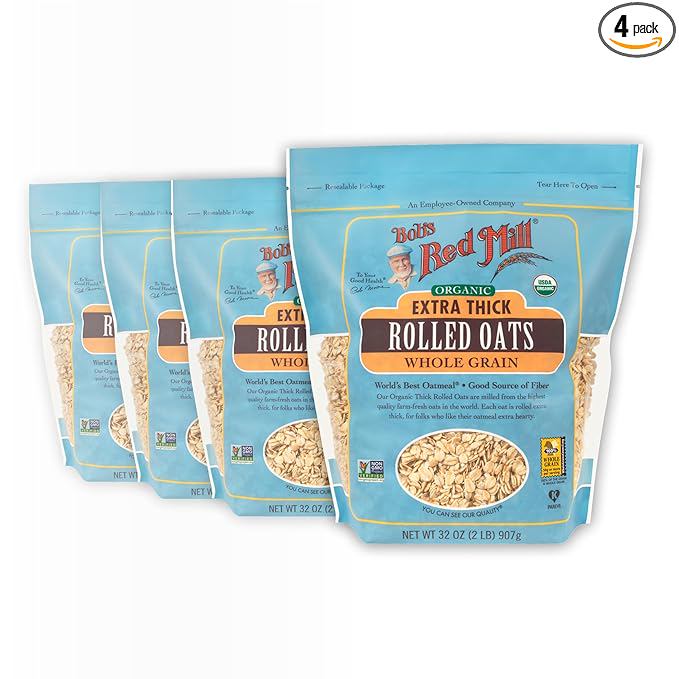
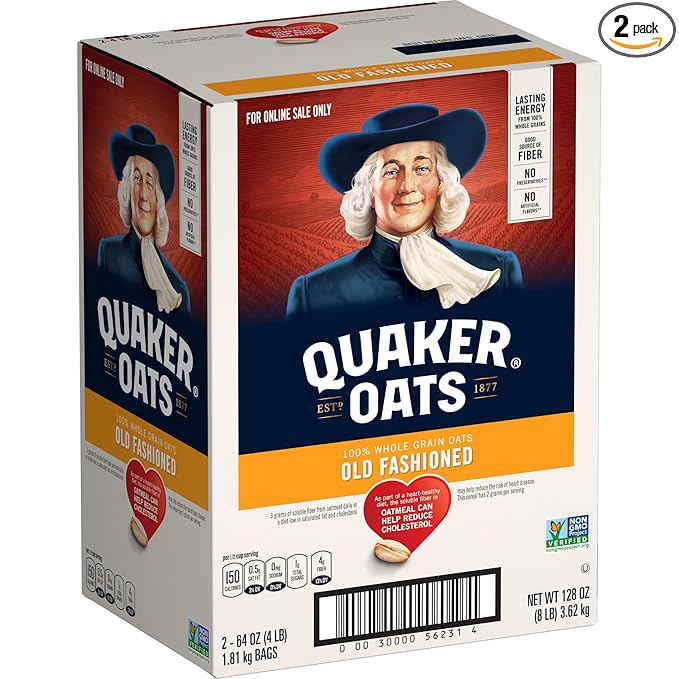
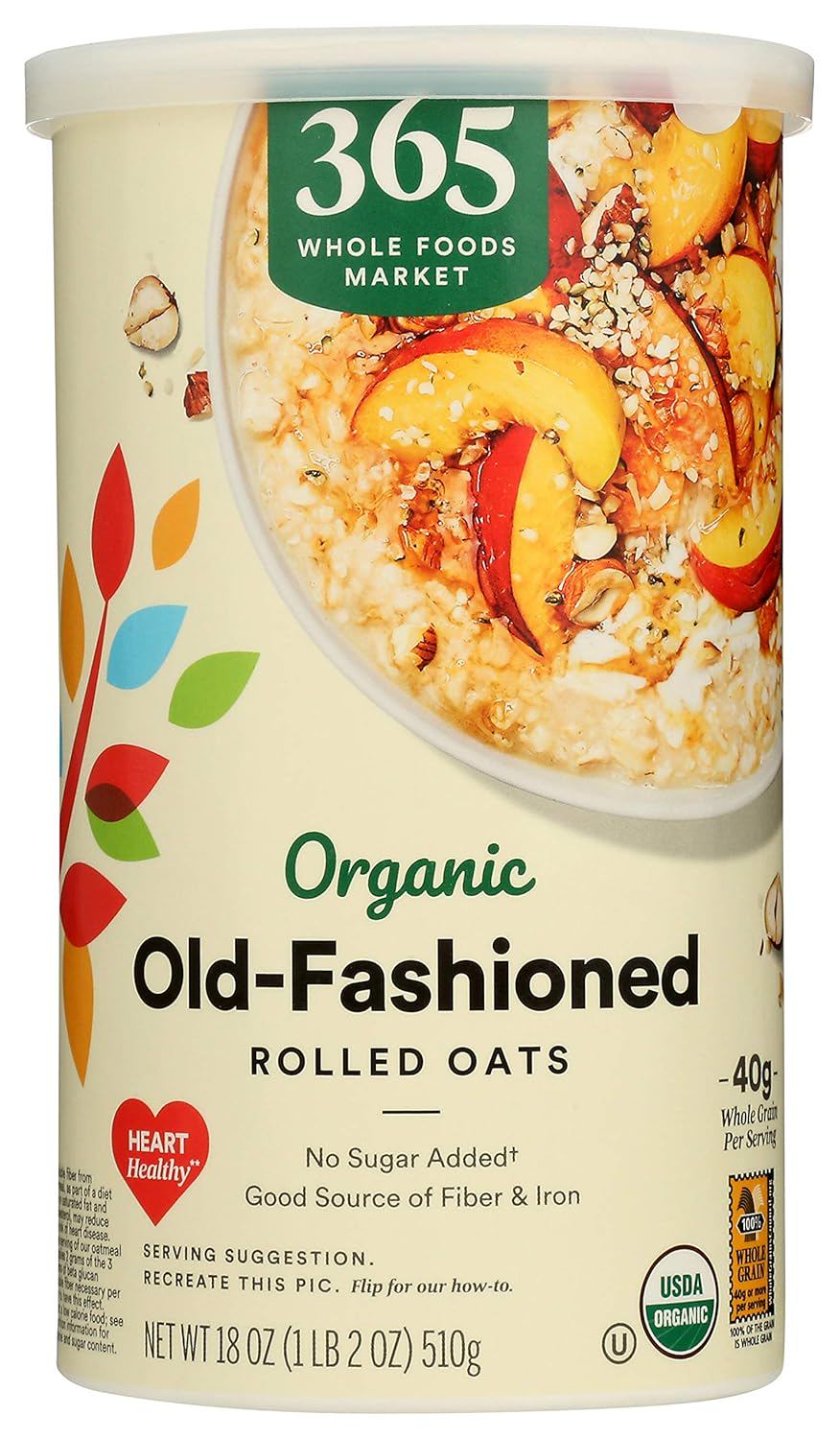
4. Oats (Rolled or Steel-Cut)
Oats are famous for their beta-glucan, a type of soluble fiber that has been proven to help lower cholesterol levels. They are incredibly versatile for fast meals. You can make overnight oats in five minutes the night before, cook a warm bowl of oatmeal in the microwave, or even blend rolled oats into a savory meatloaf or as a binder for veggie burgers. They provide steady energy and keep you full, which can help with weight management—another key factor for heart health.
5. Leafy Greens (Spinach or Kale)
These greens are packed with dietary nitrates, vitamins (including vitamin K for healthy blood clotting), and fiber. Dietitians keep a large container of fresh spinach or kale on hand because it shrinks down so much when cooked. You can toss a handful into a smoothie, wilt it into pasta sauce, or quickly sauté it with garlic and olive oil as a side dish. It adds a major nutrient boost to any meal without adding much time or prep.
6. Raw Almonds or Walnuts
A handful of nuts is a perfect heart-healthy snack. Almonds are high in vitamin E and monounsaturated fat, while walnuts are the only nut that provides a significant amount of plant-based omega-3s (alpha-linolenic acid). They add a satisfying crunch to oatmeal, yogurt, salads, and stir-fries. Because they are calorie-dense, dietitians recommend portioning them out ahead of time to avoid overeating.
7. Avocado
Avocado is a fruit rich in heart-healthy monounsaturated fats and potassium—a mineral that helps counteract the effects of sodium and helps maintain healthy blood pressure. Its creamy texture makes it perfect for a quick spread on whole-grain toast, as a salad topper, or mashed into a fast guacamole. It can even be blended into smoothies for a silky, nutrient-dense texture.
Disclaimer: This article is for general informational purposes only and does not constitute medical advice. Always consult with a qualified healthcare professional for personalized dietary recommendations.