When you cut calories, your body can interpret that as a stress signal — and it responds by releasing more cortisol. That's the same hormone that can encourage fat storage, mess with your sleep, and make it harder to stick with your goals. The good news? What you eat can help keep things balanced.
Here are seven foods that actively support healthy cortisol levels while you're eating in a deficit. They won't magically erase stress, but they give your body the tools it needs to handle it better.
1. Dark leafy greens
Spinach, kale, and Swiss chard are rich in magnesium — a mineral that plays a direct role in regulating the stress response. When magnesium is low, cortisol tends to rise. A simple salad or a handful of greens in your smoothie or eggs can help stabilize things without adding many calories.
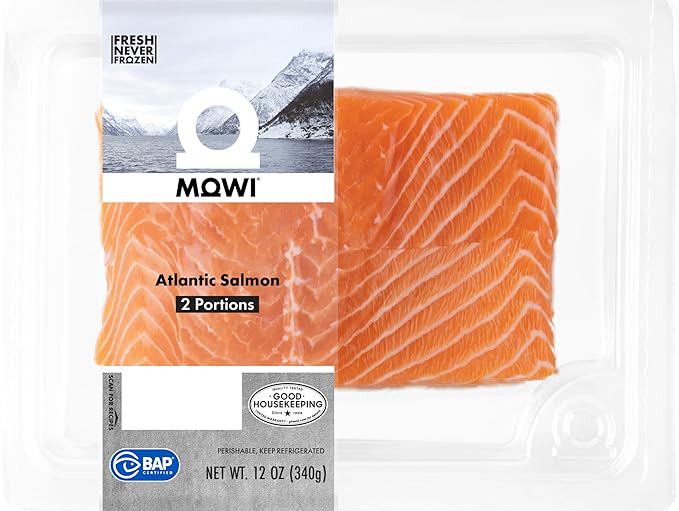
2. Fatty fish
Salmon, mackerel, and sardines are high in omega-3 fatty acids, which have been shown to reduce cortisol in response to stress. They also support brain health and offer high-quality protein, making them a smart choice when you're watching your intake. Aim for two servings per week.
3. Berries
Blueberries, strawberries, and raspberries are packed with antioxidants that combat oxidative stress — one of the main drivers of elevated cortisol. They're also low in calories and naturally sweet, which can help curb sugar cravings without derailing your deficit.
4. Avocado
Avocados are a source of healthy monounsaturated fats and potassium, both of which support adrenal function and help regulate blood pressure spikes related to stress. Half an avocado adds creaminess to meals and provides steady energy without spiking blood sugar.
5. Greek yogurt
Probiotics in fermented foods like Greek yogurt have been linked to lower cortisol levels. The gut-brain connection is real — a healthy microbiome can influence how your body handles stress. Choose plain yogurt to avoid added sugars, and add berries or a sprinkle of cinnamon for flavor.
6. Dark chocolate
A small square of dark chocolate (with at least 70% cocoa) can reduce cortisol thanks to its flavonoid content. It also provides a modest amount of magnesium. The key is portion control — about 30 grams is enough to get the benefit without blowing your calorie budget.
7. Green tea
Green tea contains L-theanine, an amino acid that promotes calm without drowsiness. Studies suggest it can blunt the cortisol spike after a stressful event. Swap one coffee for a cup of green tea during the day to keep your stress response in check.
Pairing these foods with consistent sleep, movement you enjoy, and realistic calorie goals will do more for your hormones than any single ingredient.
Eating in a deficit doesn't have to mean living in a state of chronic stress. By choosing foods that nourish your adrenal system and stabilize your mood, you set yourself up for better results — and a better experience along the way.