When the clock finally signals the end of your fasting window, what you eat first matters more than you might think. Your body has been in a fasted state for hours, and the right first meal can help you feel energized, avoid an energy crash, and support your metabolism. The wrong bite—think a huge stack of pancakes or a sugary energy drink—can spike your blood sugar and then send it crashing, leaving you sluggish and hungry within the hour.
Dietitians who specialize in intermittent fasting point to a handful of foods that ease the transition from fasting to feeding. These choices are gentle on the digestive system, provide steady energy, and pack enough protein, healthy fats, or fiber to carry you comfortably until your next meal. Here are seven foods they consistently recommend for breaking your fast.
1. Eggs
Eggs are a near-perfect first meal after a fast. They provide high-quality protein that helps stabilize blood sugar and support muscle repair, especially important if you exercised during your fasted window. Dietitians often note that the combination of protein and fat in eggs is satiating enough to prevent the urge to snack nonstop an hour later.
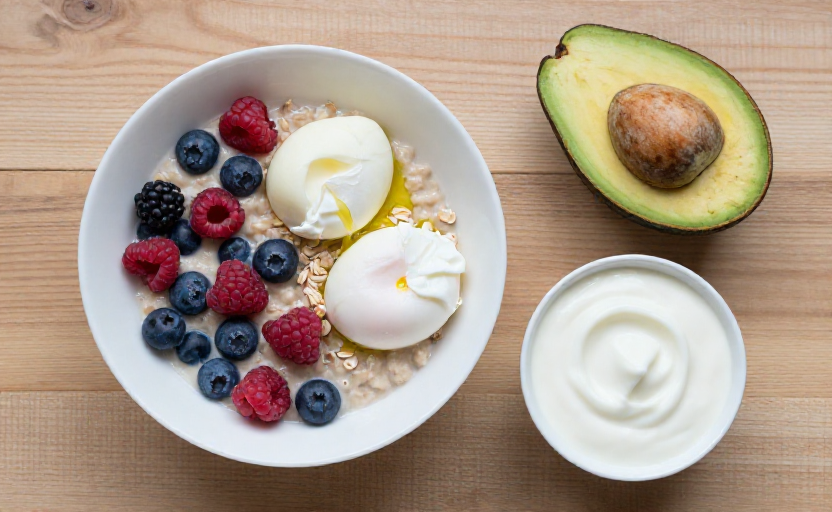
Try a couple of poached or scrambled eggs with a side of spinach or sliced avocado. The fat from the yolk also helps your body absorb fat-soluble vitamins from whatever vegetables you pair them with.
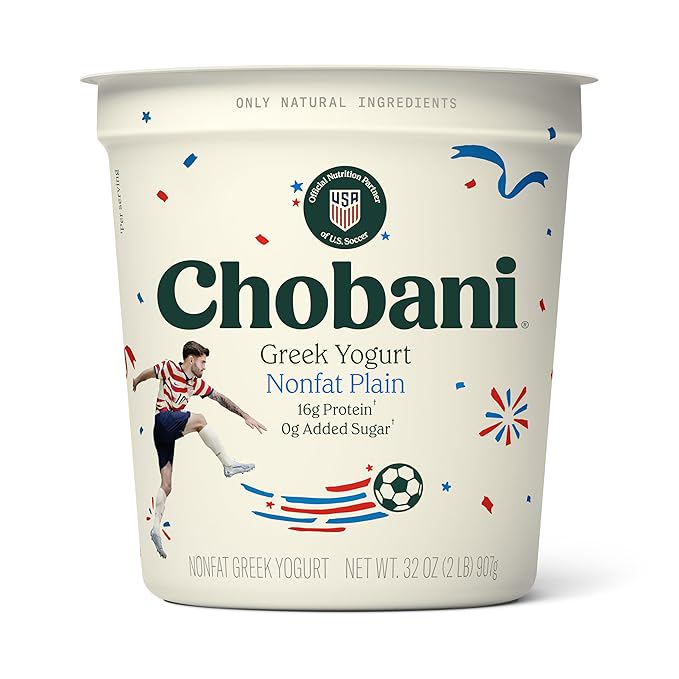
2. Greek Yogurt (Plain, Unsweetened)
A bowl of plain Greek yogurt is a go-to for many dietitians because of its high protein content and probiotics, which can be especially beneficial if your digestion feels a little off after a long fast. The protein—roughly 15 to 20 grams per cup—helps rebuild and repair tissues while keeping your appetite in check.
Skip the fruit-on-the-bottom varieties, which are often loaded with added sugar. Instead, sweeten it yourself with a handful of fresh berries or a drizzle of honey, if you need a touch of sweetness. The natural sugars from the fruit provide quick energy, while the yogurt's protein and fat slow down digestion for a more sustained release.
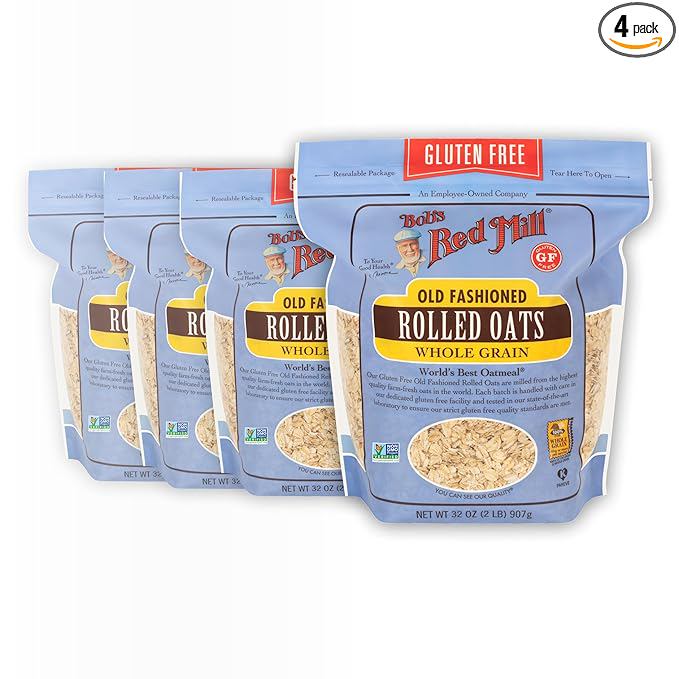
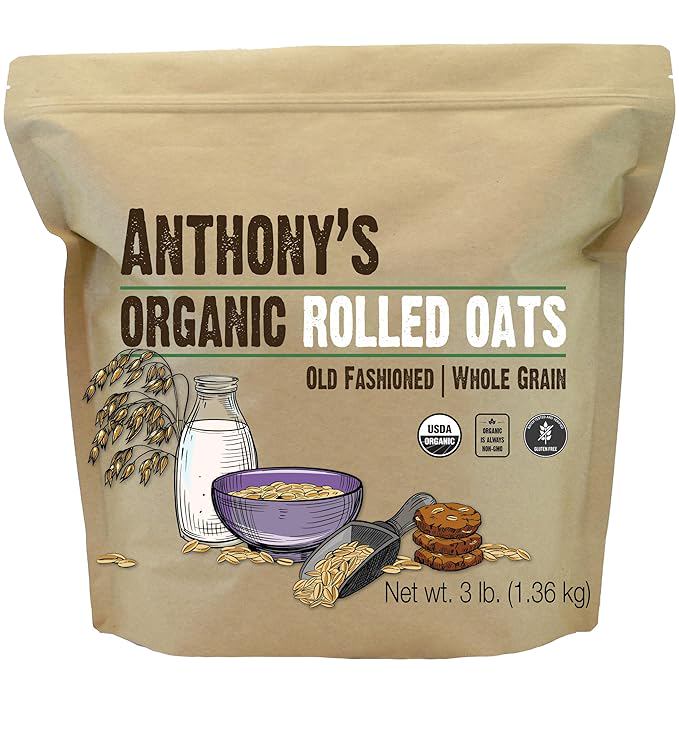
3. Oatmeal
Oatmeal offers a gentle source of complex carbohydrates and soluble fiber, which can help steady blood sugar levels after fasting. The fiber in oats also feeds your gut microbiome, which may take a hit during extended periods without food.
Dietitians recommend sticking to rolled or steel-cut oats rather than instant packets, which often contain added sugars and flavors. Top your bowl with a scoop of protein powder or a tablespoon of nut butter to round out the macronutrients. The result is a warm, soothing meal that won't overwhelm your digestive system.
4. Salmon or Other Fatty Fish
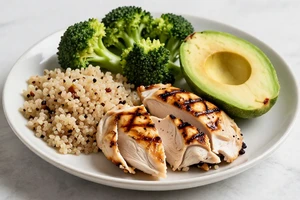
If your eating window includes lunch or an earlier meal, a piece of salmon is an excellent choice. It provides lean protein along with omega-3 fatty acids, which have anti-inflammatory properties and support brain health—both of which can be beneficial after a period of fasting.
The fats and protein in salmon are also remarkably filling. Pair it with roasted vegetables or a small sweet potato for a balanced plate that delivers steady energy without a blood sugar roller coaster. For those who prefer plant-based options, a serving of smoked trout or mackerel works just as well.
5. Avocado
Avocado is a favorite among dietitians for breaking a fast because it is loaded with heart-healthy monounsaturated fats and fiber, both of which help promote satiety and a slow rise in blood sugar. The creamy texture makes it easy to eat on its own or as a base for other foods.
Try half an avocado with a sprinkle of sea salt and lime juice, or mash it onto a slice of whole-grain toast. Eat it alongside a hard-boiled egg or a handful of cherry tomatoes for extra nutrients. The combination of fiber and healthy fat will keep you satisfied and mentally sharp as you ease into your eating window.
6. Bone Broth (or a Light Soup)
Before you dive into solid foods, many dietitians recommend starting with a warm cup of bone broth or a light vegetable soup. The liquid gently rehydrates you and provides electrolytes—sodium, potassium, and magnesium—that may have been depleted during the fast. The warmth also signals your digestive system that it is time to start working again.
Bone broth offers a small amount of protein from collagen and gelatin, which can support gut health and joint recovery. If you prefer a vegetarian option, a simple miso broth with tofu and seaweed provides similar hydration and a gentle dose of protein and minerals.
7. Berries
When you crave something sweet after breaking your fast, berries are the dietitian-approved choice. Raspberries, blueberries, strawberries, and blackberries are packed with fiber and antioxidants, which help combat oxidative stress that can increase during fasting periods. Their fiber content slows down the absorption of natural sugars, preventing the sharp blood sugar spike that comes with drinking a sugary smoothie or eating fruit juice.
Pair a cup of berries with a source of protein or fat—a dollop of Greek yogurt, a few almonds, or a spoonful of chia seeds—to make them a more balanced first bite. The combination is refreshing, hydrating, and delivers a cascade of protective plant compounds.
Tip from dietitians: Start with a smaller portion than you think you want. After a fast, your stomach may need a few minutes to signal fullness. Eating slowly and mindfully helps you avoid the discomfort of overfilling too quickly.
These seven foods share a common theme: they are minimally processed, rich in nutrients, and balanced in a way that supports your body's transition from fasting to feeding. Pick one or combine a couple for a satisfying first meal that sets a steady tone for the rest of your eating window.