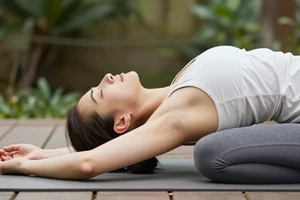
You roll out your mat, take a deep breath, and settle into child's pose. But instead of feeling that familiar wave of calm, your mind is racing. Your shoulders are tight. Your breath feels shallow. If this sounds familiar, you're not alone—and it's probably not the yoga. Often, what happens before you step onto the mat sets the tone for your entire practice.
Yoga is a space for release, but certain daily habits and mindset traps can spike your nervous system before you even begin. Recognizing these anxiety triggers and making small adjustments can transform your next session from a source of stress into true relief. Here are seven common culprits to watch for.
1. Caffeine overload right before class
That pre-yoga latte might feel like a good idea, but caffeine is a potent stimulant. It raises cortisol and adrenaline, which can mimic the physical sensations of anxiety—a racing heart, jittery hands, shallow breathing. In a quiet, introspective practice like yoga, those sensations can feel amplified, making it hard to settle into Savasana. If you're sensitive, try switching to herbal tea or water at least an hour before your session.
2. Scrolling through social media or news
Your phone is a common gateway for anxiety. Scrolling through upsetting headlines, comparison-heavy posts, or even work emails floods your brain with stress signals. Studies show that doomscrolling can raise heart rate and blood pressure within minutes. Bringing that energy into a downward dog makes it nearly impossible to find mental stillness. Instead, try a 5-minute breathing exercise or simply sit quietly before your practice.
3. Skipping meals or eating too heavily
Blood sugar swings affect mood and anxiety levels significantly. Arriving on an empty stomach can lead to lightheadedness, irritability, and a racing mind. On the flip side, a heavy meal right before class diverts blood flow to digestion, leaving you sluggish and uncomfortable. The sweet spot is a light, balanced snack about 30–60 minutes beforehand—think a banana with almond butter or a small handful of nuts.
4. Rushing and being late
When you're sprinting to class, you're in fight-or-flight mode. Your body is flooded with cortisol, your breath is shortened, and your muscles are tense. This state is the opposite of the relaxation response yoga aims to cultivate. Giving yourself an extra 10–15 minutes to arrive, change, and settle in can be a game changer for your mental state before the first Om.
5. Comparing yourself to others in class
Yoga is an internal practice, but it's easy to glance sideways at the person who can wrap their legs behind their head. Comparison triggers social anxiety and self-criticism, which raises stress hormones. Remind yourself that your practice is yours. If this is a recurring thought, consider placing your mat at the front or in a corner to reduce visual distractions.
Comparison is the thief of joy—and the enemy of a calm yoga practice.
6. Carrying unresolved emotional weight
Yoga often brings emotional content to the surface. But if you enter class already holding onto a difficult conversation, a conflict, or a heavy worry, your body will store that tension in your hips, shoulders, and jaw. Without addressing it, you may find yourself clenching through poses or feeling unexplained irritability. A simple practice before stepping on the mat: take three deep exhales and mentally set an intention to let go of what does not serve you.
7. Overthinking your practice with unrealistic expectations
Entering class with a rigid mental script—"I must hold this pose for 5 breaths," "I should be more flexible," "The teacher will judge me"—creates performance anxiety. This pressure keeps you in your head rather than in your body. Yoga is not a performance. Let go of expectations. Arrive with curiosity, not a checklist.
How to reset before your next session
If you recognize any of these triggers, don't worry—the solution is simple. Start by picking just one change for your next class. Maybe it's leaving your phone in the car or taking a few minutes to breathe before entering the studio. Small adjustments accumulate into a radically different experience. You'll find that the peace you've been searching for on the mat is already within reach—you just have to clear the path.
Ultimately, yoga is a practice of returning home to yourself. By eliminating these common anxiety triggers, you create space for the calm, grounding experience that brought you to yoga in the first place.