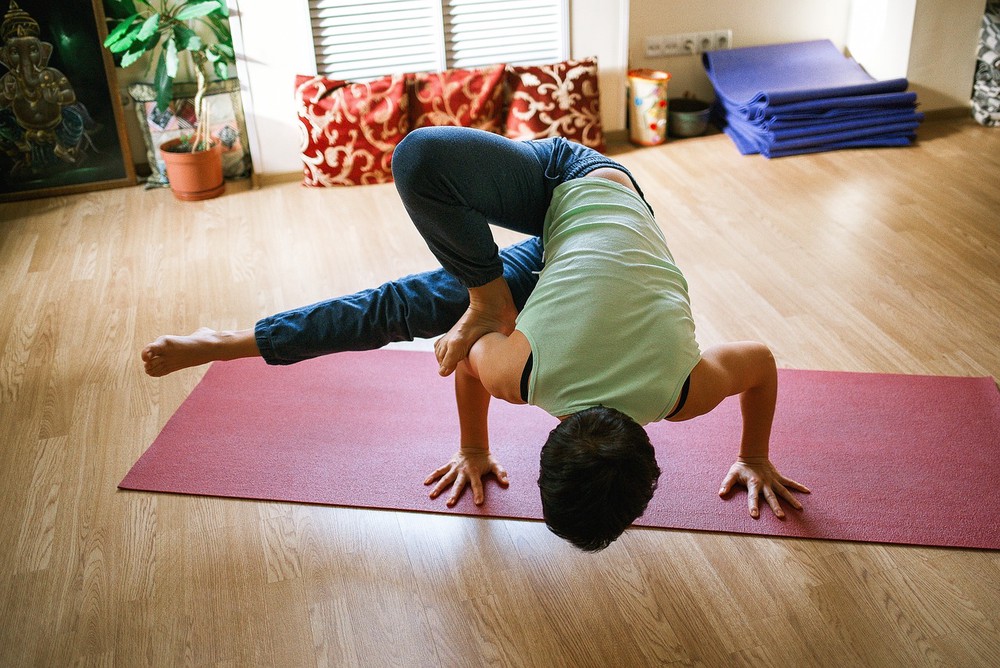
You unroll your mat, the room is already warm, and within minutes the sweat is rolling. Hot yoga is a powerful practice—but it also pushes your fluid and electrolyte reserves to their limit. Replacing what you lost is the single most important step you can take after class, and what you drink matters as much as how much you drink.
We asked registered dietitians who work with active clients to name the drinks they actually recommend for post-hot-yoga rehydration. These six options go beyond plain water, offering the right balance of fluids, sodium, potassium, and a little carbohydrate to help your body absorb and hold onto that hydration.
Why hot yoga demands more than just water
Sweating during a 60- to 90-minute hot yoga session can lead to a fluid loss of one to two liters, depending on the heat and your individual sweat rate. Along with water, you lose sodium, potassium, and magnesium. Drinking plain water alone can dilute the remaining electrolytes in your body, which may actually make it harder for your cells to retain fluid.
Dietitians emphasize that true rehydration requires replacing both fluid and those lost minerals—and a small amount of sugar (about 4–6 grams per serving) speeds absorption in the small intestine.
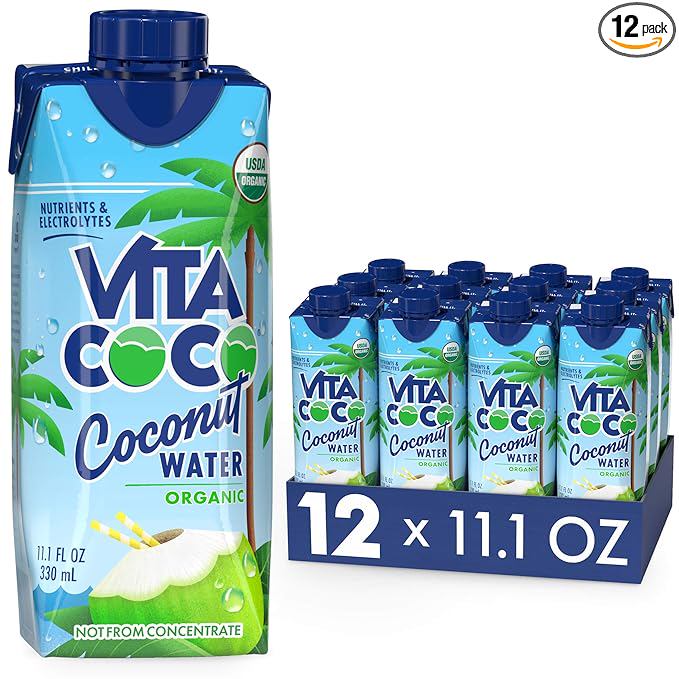
1. Coconut water (unsweetened)
Unsweetened coconut water is a go-to for many dietitians because it naturally contains potassium and a modest amount of sodium. One cup provides roughly 400–600 mg of potassium, which supports muscle recovery and helps counteract the cramping that can follow a hot class.
Look for brands with no added sugar or flavors. Coconut water is low in protein and very low in sodium compared to a sports drink, so some dietitians suggest pairing it with a small salty snack—a few pretzels or a pinch of salt stirred in—if you sweated heavily.
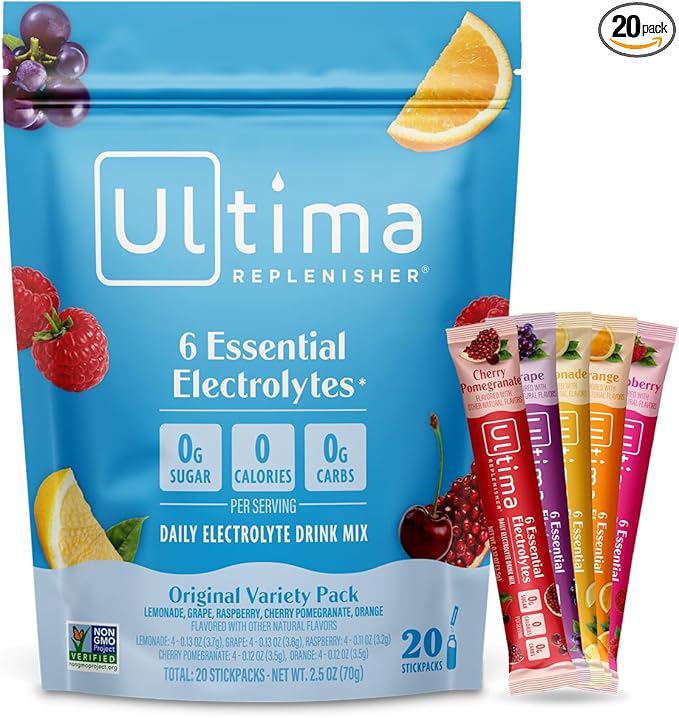
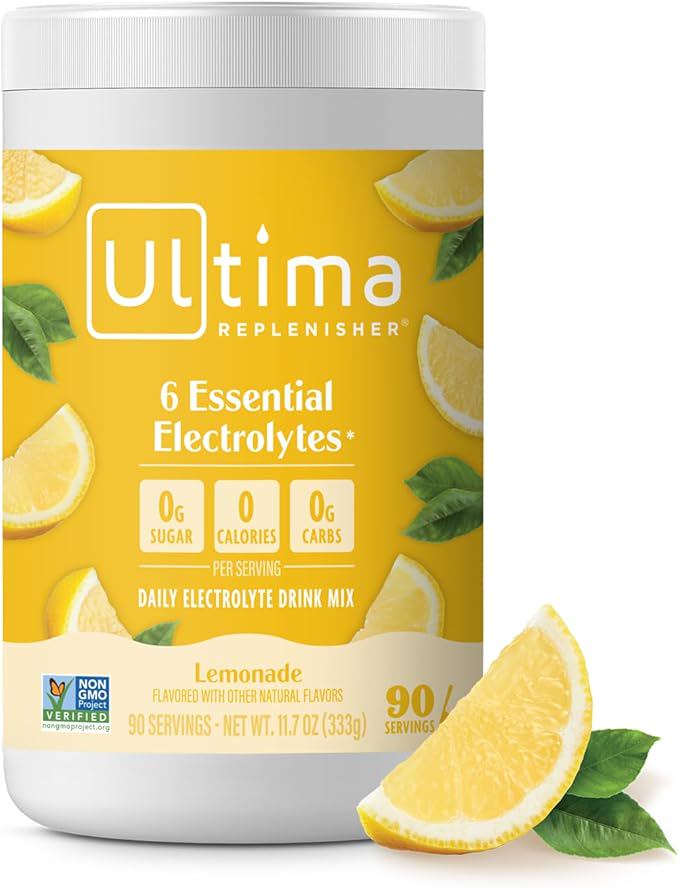
2. Electrolyte tablets or powders (low-sugar formulas)
Dissolvable electrolyte tablets and powders let you customize your drink to your exact needs. Dietitians often recommend versions that provide around 200–300 mg of sodium per serving and no more than 2–4 grams of sugar. The sodium helps pull water back into your bloodstream, while the low sugar keeps the calorie count minimal.
Popular brands include Nuun, Liquid I.V., and LMNT, but the category is wide. Drop a tablet into your water bottle right after class, or prepare it beforehand and sip it during your cooldown. Avoid formulas with caffeine or stimulants—hot yoga is already taxing on your heart rate.
3. Tart cherry juice (diluted with water)
Tart cherry juice is a recovery drink that does double duty. It provides fluid and natural sugars for quick energy, and research suggests its antioxidants may reduce muscle soreness and inflammation after exercise.
Dietitians caution that straight cherry juice is concentrated in sugar. A common recommendation: mix one part tart cherry juice with two to three parts sparkling or still water, plus a tiny pinch of salt. This gives you a hydrating, electrolyte-boosted drink without the sugar spike.
4. Chocolate milk (low-fat or unsweetened plant-based)
This may sound like a treat, but chocolate milk is one of the most studied recovery drinks for endurance and heat-intensive exercise. It offers a natural 3-to-1 ratio of carbohydrates to protein, which replenishes glycogen stores and supports muscle repair. Plus, it contains calcium and some sodium.
Dietitians suggest choosing low-fat dairy milk or an unsweetened plant-based version (look for pea or soy milk for comparable protein). Shake it with a pinch of salt or a splash of coconut water for extra electrolytes. Drink it chilled within 30 minutes of finishing class for best absorption.
5. Bone broth (sodium-rich, savory option)
For people who crave something savory after a hot class—and want a protein boost—bone broth is a smart choice. A cup provides 200–400 mg of sodium and 6–10 grams of protein, which aids muscle recovery. Its warmth can also feel grounding after a heated practice.
Select a low-sodium broth if you are watching your salt intake, but for most people the natural sodium in bone broth is exactly what the body needs after heavy sweating. Sip it slowly; you can drink it plain or with a squeeze of lemon for extra flavor.
6. DIY electrolyte drink (citrus, salt, and maple syrup)
If you prefer to avoid packaged products, dietitians often share a simple homemade version. In 16 ounces of water, mix the juice of half a lemon or lime, a pinch of sea salt (about ¼ teaspoon), and one teaspoon of maple syrup or honey. This gives you sodium, potassium, a touch of sugar for absorption, and zero artificial ingredients.
Some people add a splash of unsweetened coconut water for extra potassium. Make a batch before class and let it chill—you will have a refreshing, balanced drink ready the moment you roll up your mat.
How to choose the best post-hot-yoga drink for you
The right drink depends on how much you sweat, your stomach tolerance, and your personal taste. Dietitians recommend these guidelines:
- Sodium first. Look for 150–300 mg of sodium per 8-ounce serving if you sweated heavily. This is the key electrolyte for rehydration.
- Moderate sugar. Avoid sugary sodas and fruit juices—they can cause a blood sugar crash later. Stick to 5–15 grams of natural sugar per serving.
- No caffeine. Caffeine is a diuretic, which can work against rehydration. Save coffee and green tea for later in the day.
- Drink over 30 minutes, not all at once. Chugging a large volume can trigger urination before the fluid is absorbed. Sip steadily for best retention.
Hydration begins before class, too. Drinking 12–16 ounces of water with a pinch of salt an hour before your practice can give you a head start. But the real recovery happens in that critical window after you towel off—and these six dietitian-approved drinks make it easier to get it right.