
When you're trying to lose body fat, portion control is one of the first strategies that comes to mind. But for every sensible tip, there's a myth that can derail your progress or leave you feeling unnecessarily restricted. Many people assume that cutting portions to the bone is the only way to see results, or that certain foods must be eliminated entirely. The truth is more nuanced—and more sustainable.
Let's take a clear-eyed look at six common portion control myths and replace them with evidence-informed strategies that actually support fat loss without turning your relationship with food into a battle.
Myth 1: You have to eat tiny, frequent meals to boost your metabolism
The idea that eating five or six small meals a day stokes the metabolic fire has been repeated so often that many people treat it as gospel. Research, however, doesn't support the claim that meal frequency significantly increases daily energy expenditure. What matters more for fat loss is your total caloric intake across the day. Some people do better with three satisfying meals; others prefer smaller, more frequent eating occasions. The right approach is the one you can maintain consistently without feeling hungry or obsessed with planning every snack.
Myth 2: Using a smaller plate always makes you eat less
The size of your plate can influence perception, but it isn't a guaranteed trick for reducing calories. If you downsize your dinner plate while still piling it high with the same proportions of food, you haven't actually changed your portion. The strategy works best when you also adjust the composition of the meal—filling half the plate with vegetables, a quarter with lean protein, and a quarter with whole grains or starches. Without that balance, a smaller plate simply becomes a smaller serving of the same unbalanced meal.
Myth 3: Certain foods are 'free' and you can eat unlimited amounts
Vegetables are nutrient-dense and low in calories, but the idea that you can consume endless quantities of any food without consequence can stall fat loss. Avocados, nuts, seeds, nut butters, whole grains, and dried fruit all offer valuable nutrients—but they also contain significant calories. Mindful portions still apply. A handful of almonds is a smart snack; eating from a family-size bag without stopping is not a portion control strategy. The goal is to enjoy these foods in amounts that support your energy needs and satiety.
Myth 4: You should never eat after 7 p.m.
This myth persists despite weak evidence. Calorie timing matters far less than total calorie intake. If you eat a balanced evening meal or a small snack before bed, it won't automatically turn into stored fat. What does matter is the quality and quantity of what you're eating late in the day. Late-night bingeing on high-sugar, high-fat foods can certainly add extra calories, but a light, protein-rich snack—such as Greek yogurt or a small portion of cottage cheese—can support muscle repair and stable blood sugar overnight. Listen to your hunger, not the clock.
Myth 5: Weighing and measuring every morsel is the only way to control portions
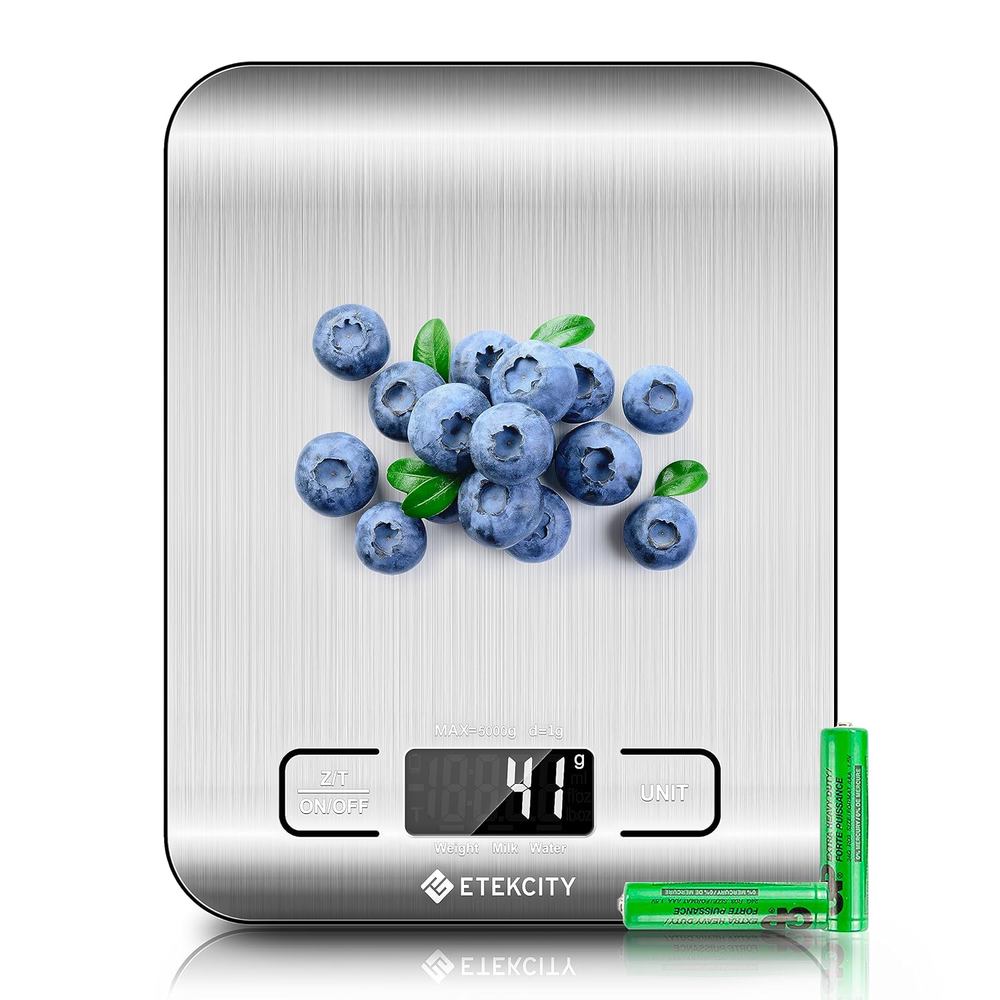
Precision can be useful when you're learning what a proper portion looks like, but it's not a lifelong requirement. Relying exclusively on food scales and measuring cups can create an unhealthy fixation on numbers and make eating in social situations stressful. A more practical approach is to use visual cues: a serving of protein is roughly the size of your palm, a serving of carbohydrates is about the size of your fist, and fats like oil or butter are about the size of your thumb. Once you internalize these guides, you can relax into more intuitive eating without sacrificing awareness.
Myth 6: You must cut out all 'calorie-dense' foods to lose fat
Restrictive diets that eliminate entire categories of foods are rarely sustainable over the long term. Calorie-dense foods like cheese, dark chocolate, olive oil, and whole eggs can absolutely fit into a fat-loss plan when you account for them in your daily intake. The key is moderation and mindful enjoyment. A small square of dark chocolate after dinner can satisfy a craving and prevent the feeling of deprivation that often leads to overeating later. Fat loss is not about perfection; it's about consistency and balance.
Practical takeaways for real-world portion control
Instead of chasing rigid rules or quick fixes, consider these flexible, evidence-backed habits that can help you manage portions without stress:
- Eat protein and fiber at every meal. These two nutrients are the most effective at promoting satiety and stabilizing blood sugar, which naturally helps you stop eating when you're comfortably full.
- Pause before seconds. It takes about 20 minutes for your brain to register fullness. After finishing a meal, wait a full 20 minutes before deciding whether you truly need more food.
- Use a portion-size mental model. Visual cues—your palm, fist, and thumb—are reliable and portable. You don't need a scale to estimate reasonable portions once you practice.
- Stay hydrated. Thirst can easily be mistaken for hunger. Drinking water before and during meals can help you gauge true appetite.
Ultimately, fat loss is less about rigid portion control and more about building a balanced, satisfying eating pattern that you can maintain for life. Let go of the myths, trust your body's signals, and give yourself permission to enjoy food while staying aware of how much you truly need.