
Prenatal yoga offers a gentle way to maintain mobility and strength during pregnancy, but the loosening of ligaments and joints caused by the hormone relaxin means recovery matters more than ever. After a session of deep stretches and stabilizing poses, your body needs specific nutrients to support connective tissue repair, reduce inflammation, and replenish energy stores.
We asked registered dietitians who specialize in prenatal and postpartum nutrition to share the six foods they recommend most often for joint recovery after prenatal yoga. These are not crash fixes or restrictive protocols—they are whole, accessible ingredients that fit into a balanced pregnancy diet.
Why post-yoga recovery nutrition changes during pregnancy
Relaxin, a hormone that peaks in the first trimester and remains elevated throughout pregnancy, increases joint laxity by softening cartilage and ligaments. While this helps your pelvis accommodate a growing baby, it also makes your joints more vulnerable to strain after physical activity like yoga. Pairing a cool-down with targeted nutrition helps stabilize those tissues without fighting your body’s natural adaptations.
1. Salmon for omega-3s and vitamin D
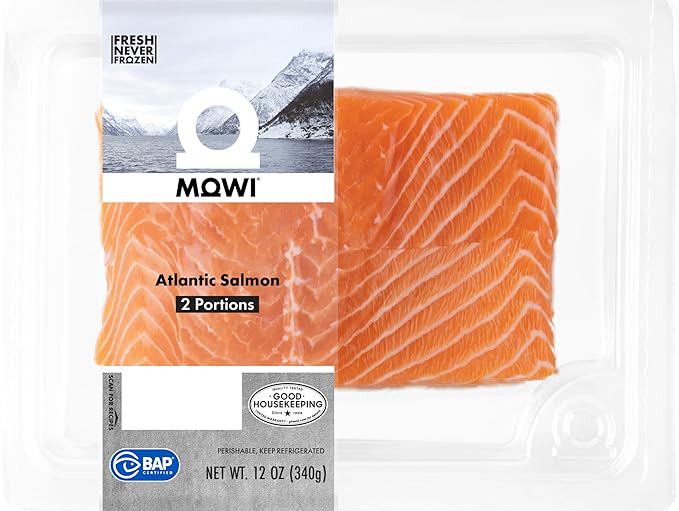
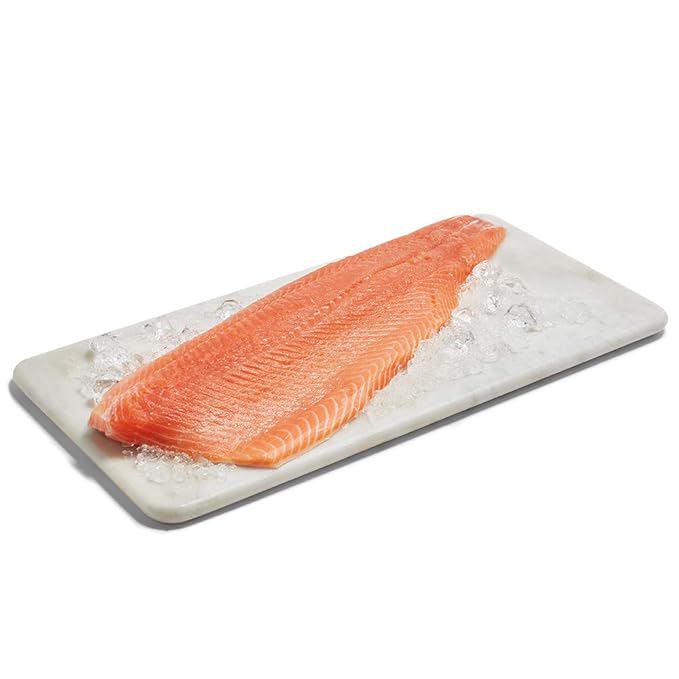
Salmon is often the first food dietitians mention for joint recovery. The omega-3 fatty acids EPA and DHA help quiet inflammatory pathways that can flare after deep stretching or sustained poses. At the same time, vitamin D supports calcium absorption and bone health—both critical when your joints are under extra mechanical load.
Choose wild-caught or responsibly farmed salmon and aim to include it in a recovery meal within two hours of your yoga session. A simple preparation: baked salmon with a side of roasted sweet potatoes and a handful of arugula.
2. Bone broth for collagen and glycine
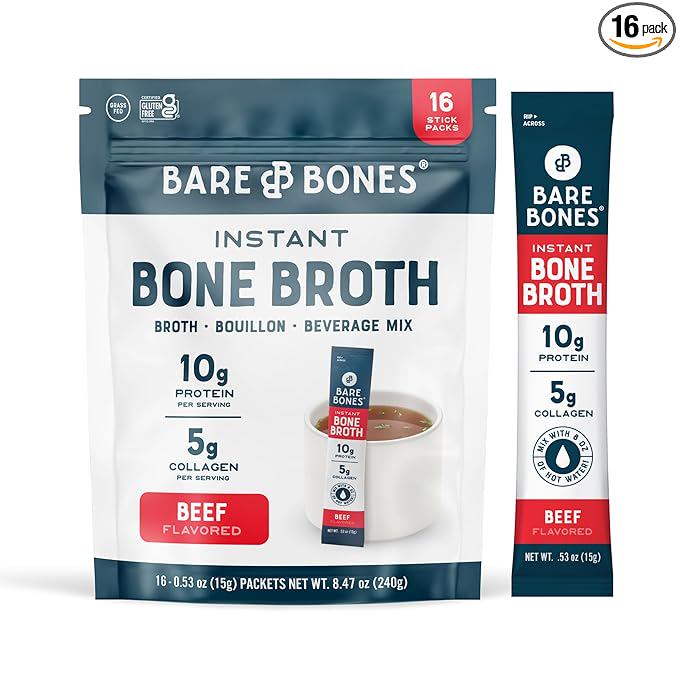
Bone broth provides a concentrated source of collagen, gelatin, and the amino acids proline and glycine. These compounds are direct building blocks for cartilage and connective tissue. Because relaxin degrades existing collagen in joints, replenishing those amino acids is especially useful during pregnancy.
You do not need to drink bone broth by the quart. A mug of warm bone broth after yoga acts as a hydrating, savory recovery drink. Look for brands made with chicken or beef bones and minimal sodium, or simmer your own with vegetables and herbs.
3. Dark leafy greens for magnesium and vitamin K
Magnesium plays a dual role: it helps muscles relax after stretching and supports the structural integrity of joint cartilage. Vitamin K, abundant in spinach, kale, and Swiss chard, activates proteins that bind calcium into bone and keep it out of soft tissues where it could stiffen joints.
Add a generous handful of wilted spinach to a recovery bowl or blend kale into a post-yoga smoothie with banana and unsweetened almond milk. The goal is to include greens in at least one meal on days you practice yoga.
4. Oranges and red bell peppers for vitamin C
Vitamin C is a cofactor for collagen synthesis. Without adequate vitamin C, the collagen your body produces is weaker and less resilient. Since pregnancy increases blood volume and metabolic demand, your baseline need for vitamin C is already elevated. After yoga, that need is even more acute for repair of micro-tears in connective tissue.
One medium orange or a half-cup of raw red bell pepper slices provides enough vitamin C for the day. Pair them with a source of iron—like chickpeas or lean beef—because vitamin C also boosts non-heme iron absorption.
5. Greek yogurt for calcium, protein, and probiotics
Calcium is essential for joint health beyond bones: it regulates nerve signaling that controls muscle contraction around joints. Greek yogurt delivers a dense, convenient source of calcium along with casein protein, which digests slowly and provides sustained amino acid release to rebuilding tissues.
Opt for plain, full-fat or low-fat Greek yogurt without added sugars. Top it with berries and a sprinkle of hemp seeds for extra omega-3s and zinc, another mineral involved in tissue repair.
6. Walnuts for alpha-linolenic acid (ALA) and copper
Walnuts are one of the few plant foods rich in ALA, a type of omega-3 that the body partially converts to EPA. While the conversion rate is lower than direct EPA from fish, consistent intake still supports an anti-inflammatory environment. Walnuts also provide copper, a trace mineral needed for cross-linking collagen and elastin fibers.
A small handful—about one ounce—serves as an ideal post-yoga snack. Combine with an apple or pear for fiber and quick carbohydrates to refuel glycogen stores.
Putting it together: a recovery plate
You do not need to eat all six foods at once. A practical recovery meal might include a 4-ounce piece of salmon, a cup of sautéed spinach, half a bell pepper, and a side of roasted sweet potatoes. For a snack option, blend plain Greek yogurt with a handful of walnuts and an orange.
Hydration is just as important as food. Joint cartilage is about 80 percent water, and relaxin can affect fluid balance. Drink water consistently throughout the day—not just during yoga.
What to keep in mind
These foods support recovery, but they are not substitutes for medical care. If you experience sharp joint pain, swelling, or instability during or after prenatal yoga, talk to your obstetrician or a pelvic health physical therapist. Nutrition works best as part of a broader recovery strategy that includes adequate rest, good sleep, and listening to your body’s limits.
Incorporating these six ingredients into your regular eating pattern helps your joints adapt to the demands of pregnancy and yoga without adding extra stress. Over time, consistent post-practice nutrition builds stronger connective tissue that will serve you well into the postpartum period and beyond.