Yoga breathing — pranayama — is gaining traction as a gentle weight management tool. The idea is straightforward: deep, controlled breaths can calm the nervous system, reduce stress-driven cravings, and even increase the body's metabolic efficiency. But here’s the catch that often gets overlooked: what you eat can directly undermine those benefits. Dietitians point out that certain foods create internal conditions that make deep, diaphragmatic breathing feel hard, heavy, or even uncomfortable — and that defeats the purpose.
If you are using breathwork as part of a weight-loss strategy, you are essentially asking your digestive and respiratory systems to work in harmony. A bloated belly, acid reflux, or sluggish digestion can physically restrict the diaphragm’s range of motion. Below are six foods dietitians consistently recommend limiting — or timing carefully — when you are serious about yoga breathing for weight loss.
1. Carbonated beverages
That sparkling water or diet soda might seem harmless, but carbonation is a fast track to abdominal distension. The gas trapped in the digestive tract creates pressure that pushes upward against the diaphragm. During slow, deep breathing — especially in poses like Ujjayi (ocean breath) — that pressure can make full inhalations feel cut short.
A quick swap: Still water at room temperature is better before a breathwork session. If you crave fizz, save it for at least an hour after practice.
2. High-sodium processed meals
Frozen dinners, deli meats, and salty snacks are notorious for causing fluid retention. That puffiness is not just cosmetic — it can collect in the abdominal cavity and around the diaphragm muscle itself. When you try to take a deep, sustained breath, the excess water weight creates a sense of physical tightness and resistance.
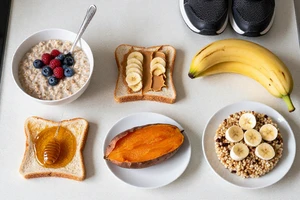
Dietitians note that reducing sodium intake for even a day or two can noticeably improve the ease of deep breathing. Focus on whole foods with natural potassium, such as bananas, spinach, and sweet potatoes, to help balance fluid levels.
3. Greasy and fried foods
High-fat, greasy meals slow down gastric emptying — meaning food sits in your stomach far longer than it should. The result is a lingering feeling of fullness and sometimes low-grade nausea. During a breathing practice that emphasizes long, slow exhales, that sensation can be deeply distracting.
For someone using yoga breathing as a weight-loss tool, the goal is a calm, settled internal state. Fried foods work against this by keeping the digestive system in active, working mode. If you have eaten a fried meal, wait at least three hours before doing any breathwork that involves deep belly expansion.
4. Dairy products (for sensitive individuals)
Not everyone reacts to dairy, but for those with undiagnosed lactose sensitivity, cheese, milk, and ice cream can be problematic. Even mild bloating and gas can restrict the diaphragm's downward movement. Dietitians suggest experimenting with a two-week dairy break if you notice that your breathing practice feels labored after consuming dairy.
Alternatives like almond milk or oat milk are generally easier on the digestive tract and do not produce the same mucus-thickening effect that some people experience with cow's milk — an effect that can subtly narrow the airways.
5. Legumes and cruciferous vegetables — in excess
Beans, lentils, broccoli, cabbage, and Brussels sprouts are nutrient-dense and excellent for overall health. However, they are also high in complex carbohydrates that produce gas during fermentation in the gut. A bowl of lentil soup may be healthy, but eating it shortly before a pranayama session is a recipe for discomfort.
The key is timing. Dietitians recommend eating these foods at least three to four hours before a breathing practice, or pairing them with digestive aids like ginger or fennel seeds to reduce gas production. Do not eliminate them entirely — their fiber content supports gut health, which is essential for sustained weight management.
6. Sugary snacks and refined carbohydrates
Cookies, pastries, white bread, and sugary cereals cause rapid spikes and crashes in blood sugar. Beyond the energy slump, these fluctuations trigger a stress response in the body — raising cortisol levels. Elevated cortisol encourages shallow, chest-only breathing rather than deep diaphragmatic breathing.
For yoga breathing to support weight loss, the nervous system needs to shift into a parasympathetic (rest-and-digest) state. A blood sugar roller coaster keeps the body in a low-grade fight-or-flight mode, which is the exact opposite of what you want. Swapping refined carbs for complex sources like oats, quinoa, or berries helps stabilize glucose levels and supports deeper, calmer breaths.
Using yoga breathing as a weight management tool is a long-term practice. The foods listed here are not "bad" — they simply need to be positioned strategically around your breathwork sessions. Small adjustments in timing and portion size can make a noticeable difference in how free and full your breath feels. And when the breath flows easily, the body responds far better to the metabolic and relaxation benefits that pranayama can offer.