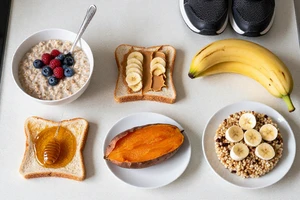

You can plank until your arms shake, but if your daily diet is working against you, that strong core may stay just out of reach. I see it in my practice all the time: someone puts in the work on the mat, but their midsection feels bloated, puffy, or just not as strong as the effort they are giving. The truth is that deep core function—the kind that supports posture, balance, and a stable spine—is deeply connected to what you eat. A dietitian looks at the core not just as a muscle group, but as a system influenced by inflammation, digestion, and fluid balance.
Below are six foods that can quietly undermine your core strength efforts. This is not about fear-mongering or banning your favorite snacks. It is about making smart swaps so the work you do in yoga class actually pays off.
1. Ultra-processed snack bars
Many commercial snack bars look like health food, but a quick scan of the ingredients list reveals a different story. They are often packed with added sugars, refined flours, and industrial seed oils. These ingredients can trigger a subtle, low-grade inflammatory response in the body. When your system is inflamed, your deep abdominal muscles may not fire as efficiently. You might feel stiff, bloated, or just less stable in poses like boat pose or forearm plank. Swap processed bars for whole food options like a banana with almond butter or a small handful of walnuts and berries.
2. Diet soda and artificially sweetened drinks
Fitness culture sometimes pushes diet soda as a guilt-free alternative, but it can interfere with core function in a surprising way. Artificial sweeteners like aspartame and sucralose can disrupt the gut microbiome. A healthy gut supports a calm digestive system, and a calm digestive system allows your diaphragm and pelvic floor to coordinate properly with your transversus abdominis—that deep corset muscle. When your gut is irritated or gassy, you cannot brace effectively. Try sparkling water with a splash of lemon or a few mint leaves instead.
3. Processed deli meats
Turkey and ham sandwiches are lunch staples, but most deli meats are high in sodium and contain preservatives like nitrates. High sodium intake leads to water retention, which can make your midsection feel puffy and heavy. That puffiness is not fat—it is fluid—but it can mask your muscle definition and make it harder to feel your deep core engage during a side plank or a standing balance. High sodium can also raise blood pressure, adding unnecessary stress to your cardiovascular system, which your core relies on for endurance. Choose fresh roasted chicken, canned tuna (in water), or plant-based proteins like hummus and sliced veggies.
4. Sugary coffee drinks
That morning latte or frappuccino can deliver a wallop of sugar—often thirty grams or more. Blood sugar spikes are followed by a crash, and your body releases cortisol in response. Cortisol, the stress hormone, encourages fat storage around the midsection and can reduce muscle protein synthesis over time. For core strength, you need stable energy and the ability to recover from yoga sessions. A simple black coffee or an oat-milk latte with no added sugar is a much better pre-yoga choice.
Stable blood sugar supports consistent energy and better core engagement during practice.
5. Refined white bread and pasta
Simple carbohydrates from white flour break down quickly into glucose, spiking insulin. Regular high insulin levels are linked to increased fat storage in the abdominal area. More importantly for core function, refined carbs lack the fiber that keeps your digestive system running smoothly. When digestion is sluggish, you may feel distended and less able to recruit your deep stabilizers. Choose 100-percent whole grain or legume-based pasta, and look for bread that lists whole wheat as the first ingredient.
6. Fried foods and trans fats
French fries, onion rings, and other deep-fried items are high in unhealthy trans fats and advanced glycation end-products (AGEs), which promote oxidative stress and inflammation. Inflamed tissues do not repair or contract as efficiently. After a fried meal, your body directs blood flow to the gut for digestion rather than to your working muscles. That means your next yoga session may feel lethargic, and your core might struggle to maintain stability in poses like crow or tabletop balance. A baked sweet potato or air-fried vegetables offer the satisfaction without the inflammatory drag.
Small changes, real results
You do not need to cut these foods out completely. What matters is frequency. If you eat them daily, your core has to work against inflammation, fluid retention, and gut disruption. Reducing them to once or twice a week can shift your energy, improve your body awareness, and make every plank and boat pose feel stronger. Pairing a clean diet with consistent yoga practice is the most sustainable way to build a core that supports you in class and in everyday life.