
You’ve hit your goal weight. You feel lighter. Your clothes fit differently. But something else has changed too: the number on the scale now seems stubborn, even when you eat the same way you did while losing. If that sounds familiar, you’re not imagining it. A slowed metabolism is a common, physiological response to significant weight loss—your body is trying to conserve energy after running in a deficit for months.
The good news? While you cannot “trick” your metabolism, you can support it with specific nutrients that help repair muscle, regulate hunger hormones, and improve energy efficiency. These six foods are not magic bullets, but they are evidence-backed choices that can gently coax your metabolic rate back toward a healthier baseline.
How weight loss affects your metabolic rate
When you lose weight, especially quickly, your resting metabolic rate often drops more than expected for your new size. This phenomenon is known as metabolic adaptation or “adaptive thermogenesis.” Your body becomes more efficient—burning fewer calories at rest than a person who naturally weighs the same amount. This is a survival mechanism, not a personal failure. The right foods can help counter this effect by increasing the energy cost of digestion (thermic effect of food), preserving lean muscle, and optimizing thyroid and mitochondrial function.
1. Lean protein from eggs, poultry, and fish
Protein has the highest thermic effect of any macronutrient—roughly 20–30% of the calories you eat are burned just digesting and metabolizing it. After weight loss, your body is primed to hold onto stored fat and shed muscle. Dietary protein provides the amino acids needed to rebuild and retain lean mass, which is metabolically active tissue.
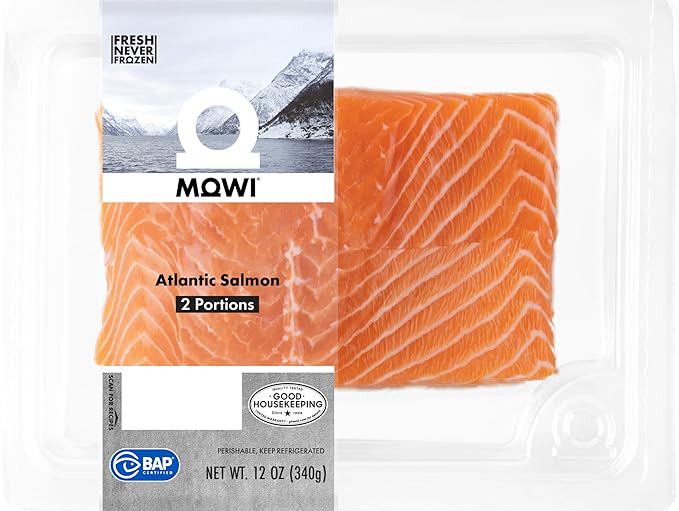
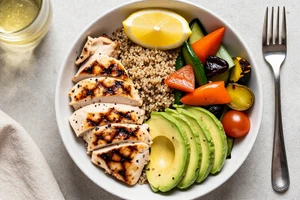
Focus on complete protein sources: whole eggs, skinless chicken breast, turkey, and fatty fish like salmon or sardines. Aim for a serving at each meal rather than loading it all into one sitting. This steady supply helps maintain muscle protein synthesis throughout the day, which nudges your resting energy expenditure upward.
Tip: If you struggle with appetite after weight loss, scrambled eggs or a plain Greek yogurt bowl can provide protein without a heavy feeling.
2. Green leafy vegetables and cruciferous veggies
Vegetables like spinach, kale, broccoli, and Brussels sprouts are low in calories but high in fiber, vitamin C, and compounds called glucosinolates. Fiber slows gastric emptying, keeping blood sugar stable and reducing insulin spikes that encourage fat storage. Cruciferous vegetables also contain sulforaphane, a compound studied for its ability to activate a cellular pathway called NRF2, which supports mitochondrial function and metabolic detoxification.
These vegetables add volume to meals without many calories, which can help you feel full while your body recalibrates its energy needs. Steam them lightly or eat them raw—overcooking can reduce some of the active compounds.
3. Oats and other whole grains
Whole grains like rolled oats, quinoa, brown rice, and barley provide resistant starch and beta-glucan fiber. Resistant starch resists digestion in the small intestine and ferments in the colon, producing short-chain fatty acids that improve insulin sensitivity and increase fat oxidation. This is particularly helpful after weight loss, when the body tends to become more insulin resistant as a protective measure.
Replace refined grains with whole grains gradually. A bowl of oatmeal with berries in the morning or a quinoa salad at lunch can keep your metabolism working through digestion without spiking blood sugar.
4. Legumes: lentils, chickpeas, and beans
Beans and lentils are a rare combination of high protein and high fiber in one plant-based package. Their low glycemic index prevents the blood sugar roller coaster that can trigger cravings and metabolic slowdown. The fiber also feeds beneficial gut bacteria, which produce metabolites that influence how your body extracts energy from food.
A half-cup serving of cooked lentils has about 9 grams of protein and 8 grams of fiber. They work well in soups, salads, or as a meat extender in dishes like chili or tacos.
5. Spicy peppers and ginger
Capsaicin, the compound that gives chili peppers their heat, has been shown to increase thermogenesis—the body’s heat production—and fat oxidation for a short period after eating. It’s not a long-term metabolism booster, but adding a small amount of cayenne, jalapeño, or red pepper flakes to meals can nudge your energy expenditure slightly higher over the course of a day.
Fresh ginger has similar mild thermogenic effects. It also acts as a digestive aid, reducing bloating that can mask progress and slow down the feeling of hunger regulation. A slice of ginger in hot water as tea, or fresh grated ginger in stir-fries, is a minimal-calorie addition that supports the process.
6. Green tea and oolong tea
Both green and oolong tea contain catechins, particularly epigallocatechin gallate (EGCG), along with a modest amount of caffeine. This combination has been studied for its ability to slightly increase metabolic rate and fat oxidation, especially during rest. The effect is modest—roughly a 4–5% increase in daily energy expenditure in some studies—but it adds up over time when combined with other healthful habits.
Choose freshly brewed unsweetened tea rather than bottled versions, which often contain added sugars that work against metabolic recovery. Two to three cups per day is a reasonable amount for most people.
Putting it together: a sample day for metabolic support
You don’t need to overhaul your entire diet. A practical approach looks like this:
- Breakfast: Oatmeal with berries and a side of scrambled eggs.
- Lunch: Lentil and spinach soup with a small piece of grilled chicken.
- Snack: A handful of almonds and a cup of green tea.
- Dinner: Salmon with roasted broccoli and a quinoa pilaf.
This structure provides protein at every meal, fiber-rich carbohydrates, and a few thermogenic compounds without being extreme or restrictive.
Resetting a slow metabolism after weight loss is a gradual process. These foods help by providing your body with the tools it needs to repair lean tissue, stabilize insulin, and digest efficiently. Pair them with consistent sleep, gentle resistance training, and patience—your body took months to adjust to a deficit, and it may take weeks to adapt back to a maintenance state.