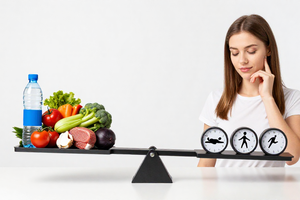
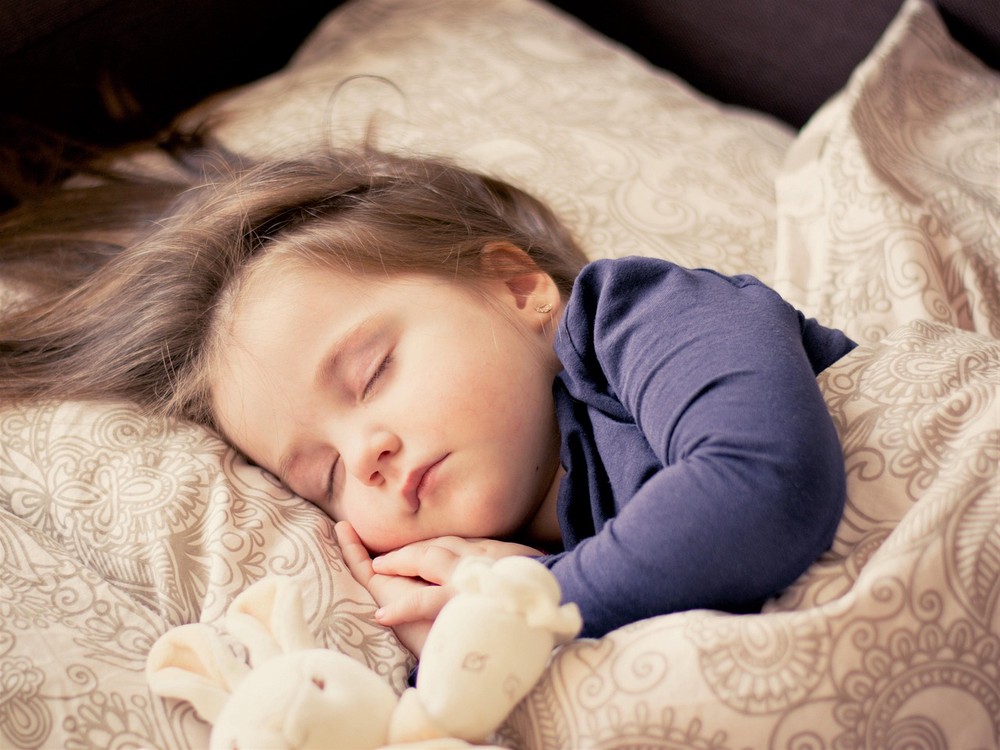
If you’re eating well and exercising but still struggling to lose weight or wake up feeling rested, the culprit could be on your plate — especially in the hours before bed. Dietitians point to several common foods that can disrupt sleep quality and, in turn, stall weight loss. Sleep and metabolism are closely connected; when one suffers, the other often follows. Here are six foods experts recommend limiting or avoiding for better rest and a healthier body weight.
Spicy foods: a recipe for restless sleep
A spicy dinner might taste great, but it can keep you tossing and turning. Capsaicin, the compound that gives chili peppers their heat, can raise your core body temperature and interfere with the body’s natural cool-down process at bedtime. Spicy foods are also known to trigger heartburn or acid reflux, especially when eaten within two to three hours of lying down. When your digestive system is working overtime — and your throat is burning — falling asleep becomes much harder. Poor sleep then increases levels of the hunger hormone ghrelin and reduces leptin, which signals fullness, creating a cycle that works against weight loss.
Caffeine after midday: more than just coffee
Most people know that a late-night espresso can keep them awake, but caffeine hides in many foods and drinks. Black and green tea, chocolate, some sodas, and even certain protein bars or “energy” snacks contain enough caffeine to disrupt sleep for hours. Caffeine blocks adenosine, a neurotransmitter that promotes sleep, and its effects can last six hours or longer. Dietitians often suggest cutting off caffeine by early to mid-afternoon, especially if you are sensitive to its effects. Even a small amount of dark chocolate after dinner could be enough to make it harder to fall asleep, and over time, sleep loss can reduce your resting metabolism and increase cravings for high-calorie foods.
Alcohol: a sedative that steals deep sleep
A glass of wine or a beer before bed might feel relaxing, but alcohol is not a sleep aid. While it can make you drowsy initially, it disrupts the second half of the night — particularly the restorative rapid eye movement (REM) sleep stage. Alcohol also acts as a diuretic, leading to more bathroom trips. Beyond broken sleep, alcohol provides empty calories and can lower inhibitions around late-night snacking. Dietitians recommend avoiding alcohol entirely in the two to three hours before bed.
High-sugar desserts and refined carbs
Cookies, cake, and even a bowl of sugary cereal before bed can spike your blood sugar, followed by a crash that may wake you up hours later. These swings in blood glucose interfere with the body’s ability to stay in deep sleep. Over time, poor sleep from these blood sugar rollercoasters can increase insulin resistance, making weight loss harder. If you want something sweet at night, dietitians suggest a small portion of fruit paired with a protein source, such as apple slices with almond butter, which provides a steadier release of energy.
Fried and fatty foods: a burden for digestion
Foods high in unhealthy fats — think french fries, fried chicken, and heavy fast food — take longer to digest. When eaten close to bedtime, they keep your digestive system active and can cause discomfort, bloating, or acid reflux. The body’s digestive processes can interfere with the drop in core temperature needed for sleep onset. Furthermore, these foods are typically low in nutrients and high in calories, making them a poor choice for anyone trying to manage their weight. Dietitians advise making lunch or early dinner the largest meal of the day, and keeping evening meals lighter and easier to digest.
Acidic and carbonated beverages
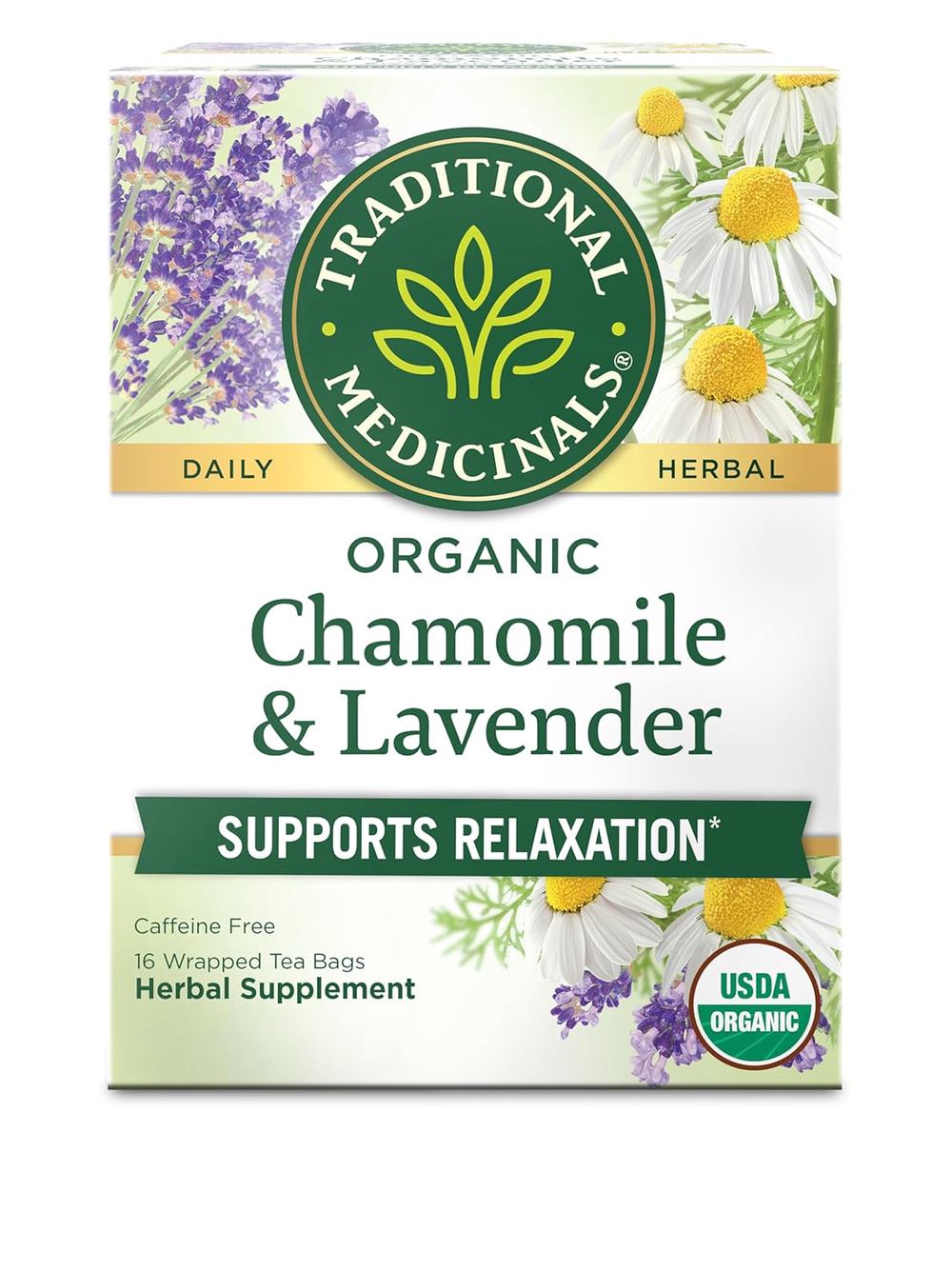
Sodas, sparkling water with citrus, and even some fruit juices can be problematic before bed. Carbonation can cause bloating and gas, while acidity — especially from citrus drinks — may worsen acid reflux. When you lie down, gravity no longer helps keep stomach acid where it belongs. This can cause a burning sensation that makes it hard to fall asleep. For weight loss, sugary sodas are also a major source of empty calories that spike blood sugar without providing fullness. Plain water or unsweetened herbal tea like chamomile are better options in the evening.
A quick note: Individual responses to foods vary. Pay attention to how different foods affect your sleep and weight over a week or two. If you consistently feel rested after a certain evening snack, that may work for you. But if you wake up groggy or feel hungry despite eating well, try adjusting your pre-bed menu.