
Your muscles have just put in real work. The last few reps were a struggle, your heart rate is finally coming down, and now your body is in its most important phase: repair. What you eat in the hours after exercise can either accelerate that rebuilding process or leave you feeling sore and depleted for days.
Recovery nutrition isn't about complicated powders or obscure superfoods. It's about giving your muscles the raw materials they need—protein to rebuild tissue, carbohydrates to replenish energy stores, and key anti-inflammatory compounds to calm the cellular stress of a hard workout. Here are six foods that deliver exactly that, backed by sports nutrition science and practical for real life.
1. Tart Cherry Juice
Tart cherries are one of the most researched foods for exercise recovery, and for good reason. They are packed with anthocyanins—powerful antioxidant compounds that reduce inflammation and oxidative stress caused by intense training. A consistent finding in studies is that tart cherry juice can accelerate muscle strength recovery and reduce post-exercise soreness, especially after endurance events or resistance training.
Drink a small glass (about 8 to 12 ounces) shortly after your workout or include it in a recovery smoothie. Look for unsweetened varieties to avoid added sugar. If you find the taste too tart, mix it with a little water or plain seltzer.
2. Fatty Fish (Salmon, Mackerel, or Sardines)
Fatty fish provide a one-two punch for recovery: high-quality complete protein and long-chain omega-3 fatty acids (EPA and DHA). The protein supports muscle protein synthesis, while the omega-3s help resolve inflammation more efficiently. This matters because chronic inflammation from repeated hard training can impair recovery and adaptation over time.
A 3- to 4-ounce serving of salmon or mackerel within two hours of exercise is ideal. Canned salmon or sardines (packed in water or olive oil) are excellent budget-friendly options that require no cooking—just toss them onto a salad or whole-grain crackers.
3. Sweet Potatoes
After a workout, your muscle glycogen stores are partially depleted, especially if your session was longer than 60 minutes or involved high-intensity intervals. Sweet potatoes are an outstanding source of complex carbohydrates that digest steadily, providing a gradual release of glucose into the bloodstream. They also deliver beta-carotene, vitamin C, and manganese—nutrients that support immune function and collagen formation for connective tissue repair.
Eat a medium roasted sweet potato as a side, or make a quick mash. The natural sweetness pairs well with savory proteins like grilled chicken or eggs.
4. Greek Yogurt or Skyr
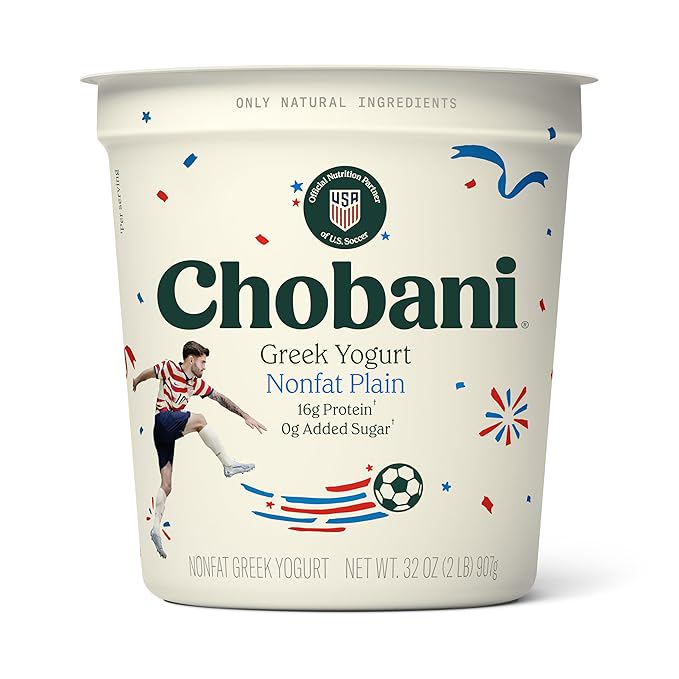
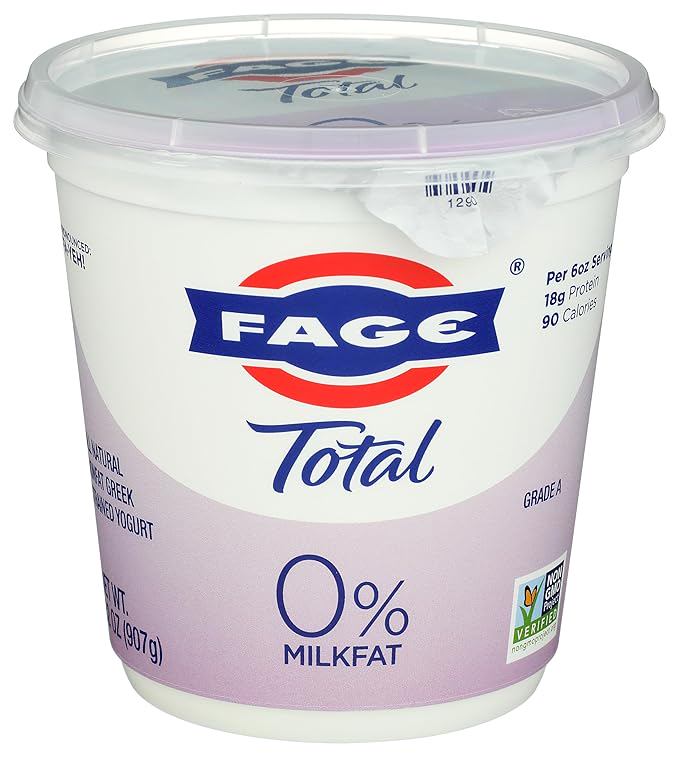
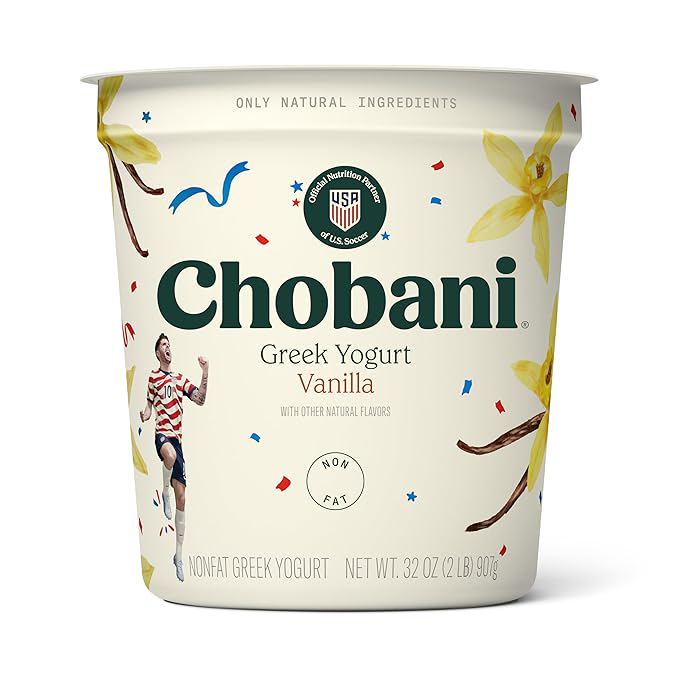
Dairy foods, particularly strained yogurt like Greek yogurt or Icelandic Skyr, are rich in two protein types that work especially well for recovery: casein and whey. Whey digests quickly, helping to kickstart muscle repair right away, while casein provides a slow, sustained release of amino acids over several hours. This dual action makes yogurt an excellent post-exercise choice.
One cup of plain Greek yogurt delivers around 20 grams of protein with minimal sugar. Add a handful of berries for extra antioxidants and a drizzle of honey for quick carb replenishment. If you avoid dairy, look for a plain soy-based yogurt with a similar protein profile.
5. Eggs
Don't overlook the humble egg. Each large egg contains about 6 grams of high-quality protein with a complete amino acid profile, plus leucine—the amino acid that serves as the primary trigger for muscle protein synthesis. Eggs are also rich in choline, which supports nerve function and muscle signaling.
Hard-boiled eggs are incredibly portable; keep a few in the fridge for a grab-and-go recovery snack after a run or gym session. Scrambled, poached, or in a breakfast wrap, eggs work equally well.
6. Dark Leafy Greens (Spinach, Kale, Swiss Chard)
Vegetables might not be the first thing you think of when planning recovery, but dark leafy greens are dense in nitrates, magnesium, and vitamins C and K. Dietary nitrates help improve blood flow and oxygen delivery to muscles, which speeds up the removal of metabolic waste products like lactate. Magnesium plays a direct role in muscle relaxation and helps reduce cramping after hard efforts.
Add a couple of handfuls of spinach to your post-workout smoothie, or sauté kale with garlic and olive oil as a side. They require almost no prep and pair well with virtually any meal.
Tip: Combining a carbohydrate source (like sweet potato or fruit) with a protein source (like yogurt or eggs) within 30 to 60 minutes after exercise gives your body the best opportunity to repair and refuel efficiently.
Recovery doesn't require a pantry overhaul. Choosing two or three of these foods and eating them regularly around your workouts can make a noticeable difference in how you feel the next day—and how ready you are to train again.