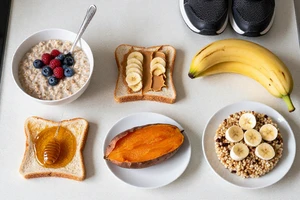

If you have been rolling out your mat consistently but still feel stuck in the same rounded shoulders or tight hips, the issue may not be your alignment cues. Sometimes, what is happening inside your body—specifically, low-grade inflammation—is what keeps your muscles tight and your joints stiff, making proper yoga posture harder to achieve.
Inflammation stiffens connective tissue and reduces joint range of motion, which means even a simple Downward Dog can feel like a battle. While yoga helps by stretching and strengthening, certain foods can support that work from the inside out. Here are six anti-inflammatory foods that can help your body release tension and find better alignment in your practice.
1. Dark Leafy Greens
Spinach, kale, and Swiss chard are packed with magnesium, a mineral that acts as a natural muscle relaxant. Tight hamstrings and a clenched lower back are often signs of magnesium insufficiency. When you add a daily serving of dark greens to your meals, you give your muscles the electrolyte support they need to release during forward folds and hip openers. Magnesium also helps regulate the nervous system, which can reduce the stress response that keeps your shoulders up by your ears.
2. Fatty Fish
Salmon, mackerel, and sardines are rich in omega-3 fatty acids, specifically EPA and DHA. These compounds lower systemic inflammation by reducing the production of inflammatory cytokines. For a yoga practitioner, this means less joint stiffness in the wrists during Plank and less achiness in the hips during seated postures. Omega-3s also support the lubrication of synovial fluid, which helps your joints move through their full range of motion without friction.
A serving of fatty fish twice a week can make a noticeable difference in how your body feels during backbends and twists.
3. Turmeric with Black Pepper
Curcumin, the active compound in turmeric, is one of the most researched anti-inflammatory substances. It blocks inflammatory pathways at the molecular level. However, curcumin is poorly absorbed on its own. Pairing turmeric with black pepper (which contains piperine) increases absorption by up to 2,000 percent. If your shoulders feel chronically tight or your SI joint is cranky during standing balances, adding turmeric to your cooking or smoothies can help calm that background irritation, allowing your body to settle into better alignment.
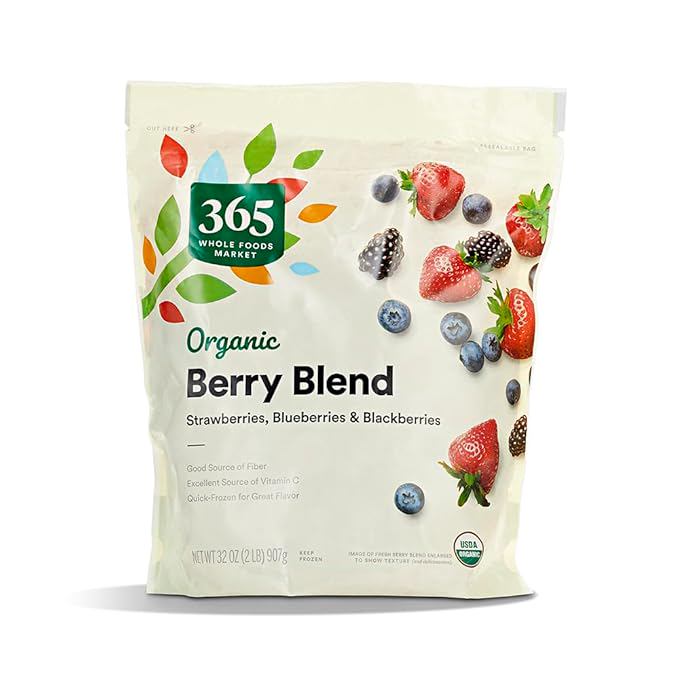
4. Berries
Blueberries, strawberries, and raspberries are high in antioxidants called anthocyanins. These compounds reduce oxidative stress, which is a major driver of inflammation. After a vigorous vinyasa practice, your muscles experience micro-tears that trigger an inflammatory response. Berries help your body clear that inflammation more quickly, speeding up recovery and reducing soreness. When your muscles are less sore, you are more likely to hold Warrior II with proper depth and stability rather than compensating with poor form.
5. Ginger
Ginger contains gingerol, a bioactive compound that has been shown to reduce muscle pain and soreness. For yoga practitioners, this is especially helpful during periods of intense practice or when learning new, demanding postures. Ginger also improves circulation, which means more oxygen and nutrients reach tight muscle groups. Drinking ginger tea before a morning practice can warm your body from the inside, making those first few Sun Salutations feel less stiff.
6. Bone Broth
Bone broth is rich in collagen, gelatin, and amino acids like glycine and proline. These nutrients support the health of ligaments, tendons, and joint cartilage. Poor posture in yoga is often caused by weak connective tissues that cannot hold the skeleton in proper alignment. By strengthening these tissues, bone broth helps you maintain length in your spine during forward folds and stability in your shoulders during arm balances. It also soothes the gut lining, which reduces whole-body inflammation when consumed regularly.
Food alone will not correct your alignment, but it can remove the physiological barriers that keep you stuck. When inflammation drops, your muscles relax, your joints move more freely, and your body can finally respond to the alignment cues your teacher is giving you. Try adding two or three of these foods to your weekly routine and notice how your practice shifts over the course of a month.