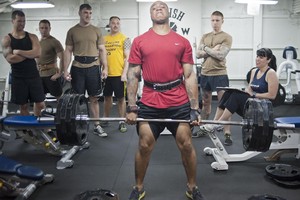

Feeling like you got hit by a truck after a solid session is practically a badge of honor in the fitness world. That deep, satisfying ache in your working muscles feels like proof of effort. But there is a fine line between productive muscle soreness—the kind that signals adaptation and growth—and a red flag that you are pushing your body past its recovery limits.
Delayed Onset Muscle Soreness (DOMS) is normal, especially after trying new movements, increasing intensity, or returning from a break. It typically peaks 24 to 72 hours post-exercise. But when does that familiar discomfort shift into a warning that you need to prioritize rest, not grit? Here are five unmistakable signs that your post-workout soreness has crossed from productive into problematic territory.
1. Your Performance Takes a Nosedive
One of the most concrete signs of under-recovery is a sharp, persistent drop in your usual output. A little fatigue on the second set is expected, but if you walk into the gym and your warm-up weight feels heavy, your range of motion is restricted, and your pace has slowed significantly for multiple sessions in a row, your nervous system and muscles are still in repair mode.
This type of systemic fatigue isn't just muscle soreness—it's a sign that your body hasn't replenished glycogen stores or repaired micro-tears from previous workouts. Pushing through this often leads to sloppy form, which raises your risk of acute injury. If that weight that felt manageable last week now feels impossible, call it a rest or active-recovery day. Your next performance peak will thank you.
2. The Pain Is Sharp, Localized, or One-Sided
Normal DOMS feels like a dull, diffuse ache across the entire muscle group. Both quadriceps, both glutes, both biceps—it's symmetrical. A warning sign appears when the pain is sharp, stabbing, or located in a specific spot, especially if it's only on one side of the body. This distinction is crucial.
Sharp or pinching pain often indicates joint or connective tissue irritation—perhaps a strained tendon or a ligament issue—rather than simple muscle micro-trauma. If you can point to exactly where it hurts with one finger, or if the pain worsens drastically with a specific movement (like a deep squat or an overhead press), you are likely dealing with an overuse injury, not everyday soreness. The best response is to stop that movement and apply the RICE protocol (rest, ice, compression, elevation) while you evaluate the pain further.
3. Your Urine Looks Unusual
This sign moves beyond discomfort into a medical concern. While it is not something you see every day, a change in your urine color post-workout is a major red flag. If your urine appears dark, brownish, or cola-colored, it could indicate rhabdomyolysis—a serious condition where muscle tissue breaks down rapidly, releasing proteins into the bloodstream that can damage the kidneys.
Rhabdo is most common after extreme exertion, such as your first day of a boot camp after months off, or after completing an excessive number of reps of a single exercise. It is not usually accompanied by a dramatic injury; instead, the soreness is extreme and disproportionate to the workout. If you notice discolored urine along with severe muscle swelling, tenderness, or weakness, seek medical attention immediately. This is not a situation for rest and ice alone.
4. Soreness Lasts Longer Than a Week
Duration is a dead giveaway. Typical DOMS resolves within three to five days. If you are still hobbling down stairs, wincing when you sit down, or feeling significant muscle tenderness a full week (or more) after your last workout, your body is sounding an alarm. Prolonged soreness often means you have accumulated too much training stress without enough recovery.
This can happen when you suddenly spike your volume or intensity (the classic "too much, too soon" trap) or when you are working out under high life stress or poor sleep. The remedy is not a "light workout"—it is a full rest day or two, prioritizing sleep, hydration, and nutrition. Consider a gentle walk, stretching, or foam rolling, but avoid any loaded movements until the dull ache fades to casual awareness.
5. Your Sleep and Mood Are Declining
Overtraining doesn't just hit your muscles—it hits your nervous system. Persistent muscle soreness combined with disrupted sleep, irritability, or a lack of motivation that isn't just a lazy day is a clear sign of central nervous system fatigue. Your body, including your brain, is exhausted from the constant repair work.
When you overtrain, cortisol levels can stay chronically elevated, interfering with sleep quality and recovery hormone production. You might find yourself waking up feeling unrefreshed, even after a full night in bed. This cycle makes it harder for muscles to repair and leaves you feeling flat and irritable. The fix is a full recovery week: drop intensity by 50-60%, prioritize sleep hygiene, and consider a few days of complete rest. Listen to those signals—your mind is part of your body.
Learning to distinguish between productive discomfort and harmful overload is one of the most valuable skills for long-term fitness. Soreness is a signal, not a scorecard. When you recognize these five signs, your smartest move is to step back, rest, and come back stronger. Your gains are built during recovery, not just during the reps.