
After a gentle yoga session, you might feel a wonderful sense of calm and openness in your body. That feeling is more than just relaxation; it’s your muscles responding to the work they’ve just done. For seniors, this post-yoga period is a prime opportunity to nourish the body with intention, supporting the natural repair and strengthening processes that keep us moving well.
The right snack can make a real difference in how you feel afterward—helping to ease any lingering stiffness, replenish energy, and build the lean muscle mass that is so crucial for balance and independence. The goal isn’t to eat a lot, but to eat smartly, choosing foods that pack a powerful combination of protein, healthy fats, and key vitamins into a satisfying, easy-to-manage bite.
What makes a snack ideal for recovery?
Think of your post-yoga snack as a targeted repair kit. After stretching and holding poses, your muscles benefit from two main things: protein to provide the building blocks (amino acids) for repair, and a source of energy to facilitate that process. For seniors, digestibility and nutrient density become especially important. A smaller, nutrient-packed snack is often more effective and comfortable than a large meal.
Look for snacks that combine a quality protein source with a complex carbohydrate or healthy fat. This combination helps stabilize energy levels and allows the protein to be used efficiently for muscle maintenance. Hydration is also a key part of the recovery equation, so pairing your snack with water or herbal tea is always a good practice.
The goal isn't to eat a lot, but to eat smartly, choosing foods that pack a powerful combination of nutrients into a satisfying bite.
Five simple, nourishing options
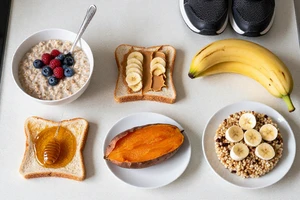
These snacks are centered on whole foods, are simple to prepare (or require no preparation at all), and deliver the specific nutrients that support an older adult’s body after activity.
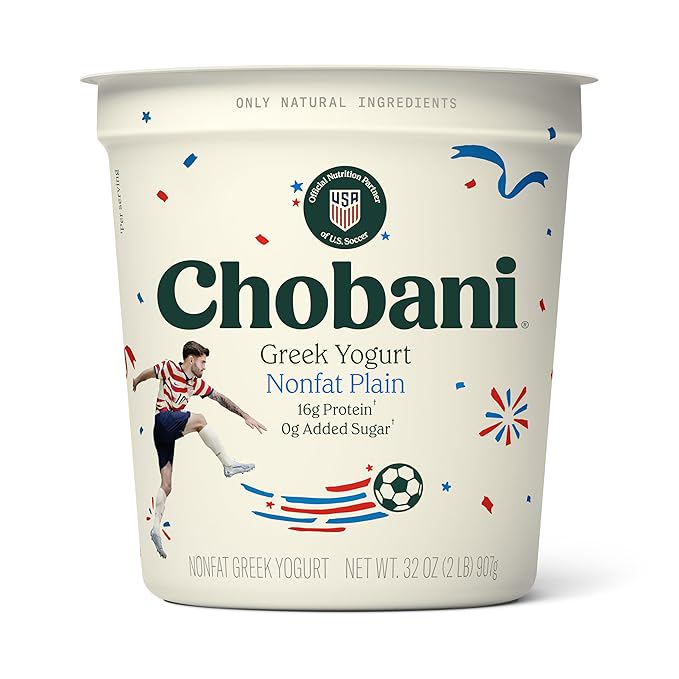
1. Greek yogurt with berries and a drizzle of honey
This classic combination is a recovery powerhouse. Greek yogurt is an excellent source of high-quality, easily digestible protein, particularly casein, which provides a slow release of amino acids—perfect for sustained muscle repair. It’s also rich in calcium, which supports bone health alongside your yoga practice.
Adding a handful of berries like blueberries or raspberries introduces antioxidants, which can help manage the natural inflammation that comes with exercise, and fiber for digestive health. A small drizzle of raw honey offers natural sweetness and a quick source of carbohydrate to help shuttle nutrients into your muscles.
2. Mashed avocado on whole-grain toast
For a more savory option, consider the creamy richness of avocado on a slice of hearty toast. Avocados are loaded with monounsaturated fats, which are anti-inflammatory and help the body absorb fat-soluble vitamins. They also provide potassium, an electrolyte that aids in muscle function and can help prevent cramps.
Choosing a whole-grain or seeded bread adds complex carbohydrates and fiber, providing steady energy without a spike in blood sugar. For an extra protein boost, you can top it with a sprinkle of hemp seeds or a soft-boiled egg.
3. A small handful of almonds with dried tart cherries
When you need something entirely portable and no-fuss, this pairing is remarkably effective. Almonds offer plant-based protein, vitamin E (an antioxidant), and magnesium—a mineral that plays a role in muscle relaxation and nerve function, making it a perfect complement to yoga.
Dried tart cherries have been studied for their potential to reduce post-exercise muscle soreness, thanks to their high antioxidant content. Stick to a small portion (about a quarter-cup total) to keep it snack-sized, and choose unsweetened dried fruit when possible.
4. Cottage cheese with pineapple or peach slices
Cottage cheese is another stellar source of slow-digesting casein protein. Its soft texture makes it easy to eat, and it’s rich in phosphorus and selenium, minerals that support cellular repair. The creamy, mild flavor pairs beautifully with fruit.
Adding fresh pineapple provides the enzyme bromelain, which may aid in reducing inflammation, while peaches offer vitamin C and a sweet, juicy contrast. This snack feels like a treat but works hard to support your recovery.
5. A simple smoothie with protein
If you prefer to drink your nutrition, a smoothie is a fantastic vehicle. Start with a liquid base like unsweetened almond milk or kefir (which adds probiotics). Add a generous scoop of a plain protein powder (like whey, pea, or collagen peptides), a handful of spinach for magnesium and folate, half a banana for potassium and creaminess, and a tablespoon of nut butter for healthy fats.
This option is highly customizable for taste and dietary needs, and the blended form can be easier to digest for some, allowing for quick absorption of nutrients.
Timing and listening to your body
There’s no need to watch the clock obsessively. A good general guideline is to have your snack within 45 minutes to an hour after finishing your yoga practice, when your muscles are most receptive to replenishment. However, the most important guide is your own hunger and energy cues.
Some days you may feel ready for a snack immediately; other days, you might prefer to wait. The key is consistency in choosing these nourishing options when you do eat. Pay attention to how different foods make you feel in the hours after your practice—this is the best feedback for what works uniquely for your body.
By turning your post-yoga snack into a mindful ritual of recovery, you’re doing more than just feeding hunger. You’re actively participating in your own strength, flexibility, and long-term vitality, one nourishing bite at a time.