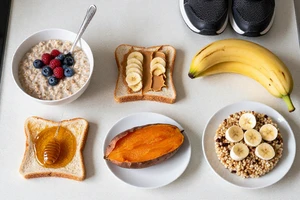

Prenatal yoga is a gentle way to stay active, ease tension, and prepare your body for birth. But to get the most out of your practice—and to protect your joints—you need the right fuel. During pregnancy, your body releases relaxin, a hormone that loosens ligaments and makes joints more vulnerable to strain. Eating smart before and after class can help stabilize those areas, reduce inflammation, and keep your energy steady.
Here are five snack ideas that are easy to digest, rich in joint-supporting nutrients, and ideal for the prenatal yoga lifestyle. Each option is designed to be gentle on your stomach while providing key building blocks for your muscles, bones, and connective tissues.
1. Tart Cherry & Almond Smoothie
Tart cherries are one of the few natural food sources of melatonin, but for joint health their real power lies in anthocyanins—antioxidants that reduce inflammation and muscle soreness. Pairing them with almonds adds vitamin E and magnesium, both of which help relax muscles and support healthy joint tissue.
Blend a cup of frozen tart cherries with a handful of almonds (or a spoonful of almond butter), a small banana for natural sweetness, and enough unsweetened oat milk or water to reach your preferred consistency. Drink it 45–60 minutes before class for a light hit of carbs and fat that won't weigh you down.
Tip: If you're prone to heartburn, use almond milk instead of cow's milk—it's less acidic and easier on the digestive tract.
2. Smashed Avocado & Sardine Rice Cakes
Omega-3 fatty acids (EPA and DHA) are critical for reducing joint inflammation and supporting fetal brain development. Sardines are one of the richest, lowest-mercury sources. Avocado provides healthy monounsaturated fat plus vitamin K, which plays a role in bone metabolism.
Mash half a small avocado and spread it over two brown rice cakes or crispbread. Top with one mashed sardine (from a tin, packed in water or olive oil) and a squeeze of lemon. This savory snack is great about 30 minutes after yoga to replenish energy and deliver anti-inflammatory fats directly to your joints.
3. Ginger-Turmeric Energy Bites
Turmeric is celebrated for its anti-inflammatory compound curcumin, while ginger can help ease nausea and soothe joint discomfort. These no-bake bites are a portable, stomach-friendly snack for before or after practice.
Combine 1 cup of rolled oats, ¼ cup of almond butter, 2 tablespoons of honey or maple syrup, 1 teaspoon of grated fresh ginger, 1 teaspoon of turmeric powder (or ½ teaspoon of freshly grated turmeric), and a pinch of black pepper (essential to activate curcumin). Roll into small balls and refrigerate. Eat one bite 30 minutes before class, or two bites after class for sustained energy without a sugar crash.
4. Bone Broth with Carrot & Celery Sticks
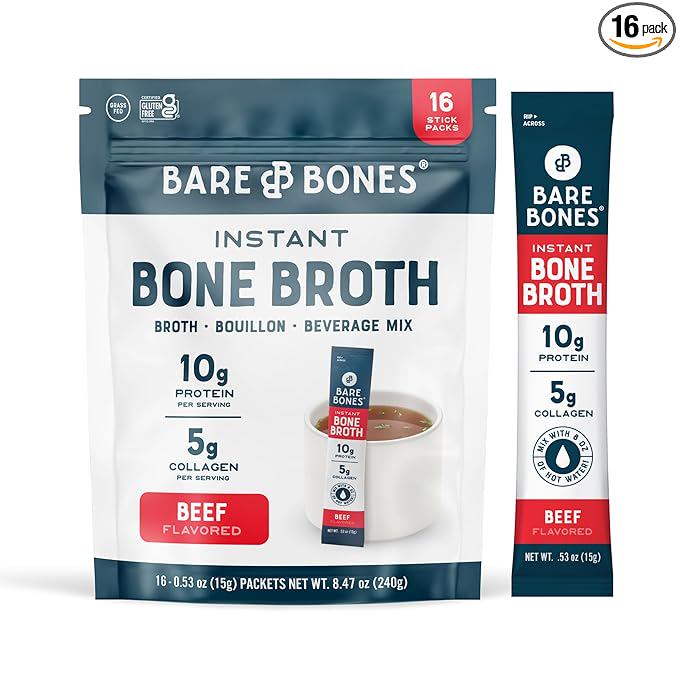
Bone broth naturally contains gelatin, collagen, and amino acids like glycine and proline that support joint cartilage and connective tissue. Pairing it with crunchy vegetables adds a dose of vitamin A and fiber, helping you feel full without heaviness.
Heat a cup of low-sodium bone broth (chicken or beef) and sip it alongside a small handful of carrot and celery sticks. This is especially good after yoga, when your joints have been gently moved and the nutrients can work on tissue repair. Look for broth made from organic bones to avoid added hormones.
5. Sweet Potato with Tahini Drizzle
Sweet potatoes are packed with vitamin C, beta-carotene (which the body converts to vitamin A), and potassium—all essential for maintaining healthy joints and preventing inflammation. Tahini (sesame seed paste) adds calcium and copper, which aid in cartilage maintenance.
Bake a small sweet potato until tender, then split it open and drizzle with 1 tablespoon of tahini and a pinch of cinnamon (optional). This works well 60–90 minutes before class as a slow-digesting carb source, or as a restorative snack right after class to replenish glycogen and support joint recovery.
Practical Tips for Prenatal Snacking
- Timing matters: Eat your pre-yoga snack 45 minutes to 1 hour before class so your body has time to digest. For post-yoga, aim to eat within 30–45 minutes after class when muscles and joints are most receptive to nutrients.
- Portion size: Keep snacks small—roughly 150–250 calories total. Too much food before yoga can cause bloating or discomfort during twists and forward folds.
- Stay hydrated: Your intervertebral discs and joint cartilage rely on water to stay pliable. Sip water throughout the day, and have a few sips after class, but avoid large amounts immediately before yoga.
- Listen to your body: Cravings and tolerances shift during pregnancy. If a snack doesn't feel right, swap it for another option in the same nutrient category (e.g., try chia pudding instead of energy bites).
Remember: No single food can prevent injury or guarantee joint comfort—think of these snacks as part of an overall pattern of good nutrition, movement, and rest.
Your prenatal yoga practice is a chance to connect with your changing body, and choosing joint-friendly snacks helps you stay grounded, comfortable, and strong. Whether you prefer a smoothie, savory bites, or a warm bowl of broth, these five options give you real nutrients that support both your joints and your baby's development. Enjoy the practice, and enjoy the food that fuels it.