When you're trying to manage your weight or just feel better after meals, the connection between water content and fullness is one of the simplest tools you can use. The idea is straightforward: foods that contain a high volume of water take up more space in your stomach, which can trigger satiety signals to the brain without requiring a lot of energy (calories) from the food itself. This is often referred to as having a low energy density.
Instead of obsessing over portions or restrictive diets, you can shift your focus to the quality and composition of what's on your plate. The following five hydrating foods are excellent choices if you're looking to feel satisfied, stay hydrated, and naturally control your appetite—no calorie counting required.
Why Water-Rich Foods Help With Appetite Control
Before we get to the list, it helps to understand the science. Your stomach has stretch receptors that communicate directly with your brain. When you eat a large volume of food (think a big bowl of soup versus a small handful of crackers), those receptors fire and signal that you are full. Water-rich foods—think fruits, vegetables, and certain soups—add bulk without adding many calories. They also slow down gastric emptying, meaning the food stays in your stomach longer, prolonging that feeling of fullness. Finally, many of these foods are also high in fiber, which further supports satiety and stable blood sugar levels.
1. Watermelon
Watermelon is more than 90 percent water, making it one of the most hydrating foods you can eat. A single cup of diced watermelon has roughly 45 to 50 calories but provides a significant volume of food. The natural sweetness can also help curb sugar cravings in a healthy way. Eat it as a snack, cube it into salads, or blend it into a chilled soup like gazpacho. Because it digests relatively quickly, it works well as a light snack between meals rather than a standalone dinner.
2. Cucumbers
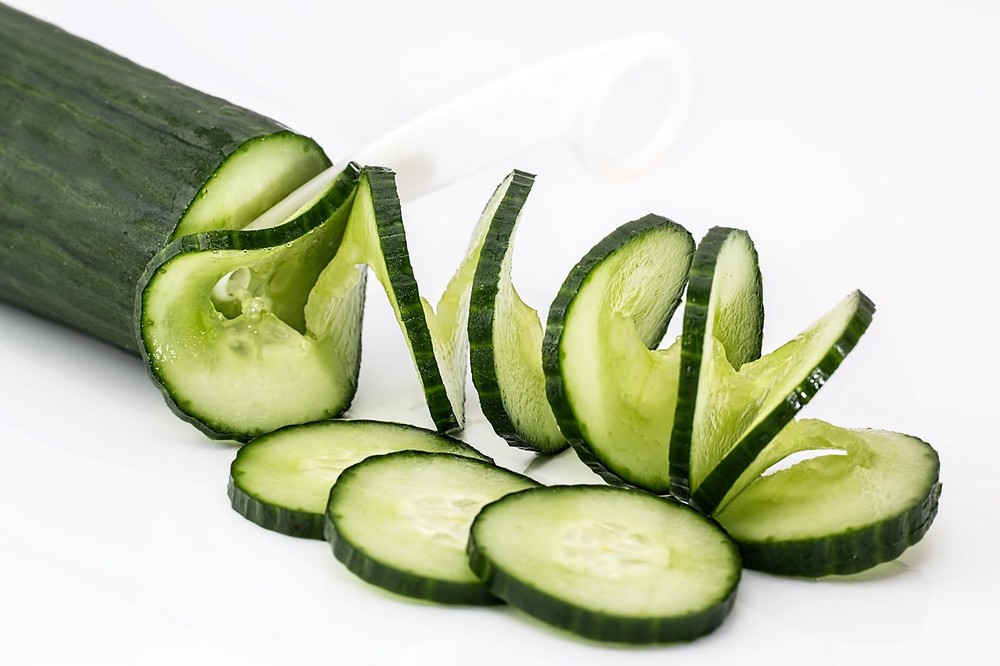
Cucumbers are the ultimate low-calorie, high-volume vegetable. With a water content of around 96 percent, they provide crunch and hydration without weighing you down. A whole cucumber has only about 45 calories. You can slice them into salads, use them as dippers for hummus or yogurt-based dips, or add them to infused water for a refreshing twist. Their high water content makes them particularly effective at taking up stomach space, helping you feel full before your main meal.
3. Soups and Broths
A warm bowl of soup—especially a clear broth or vegetable-based soup—can be remarkably satiating. Studies have shown that starting a meal with a low-calorie, high-water soup can reduce total calorie intake during that meal by about 20 percent. The combination of water, heat, and often some fiber from vegetables works synergistically. For best results, choose soups that are not cream-based or loaded with sodium. Think minestrone, miso soup, or a simple tomato-vegetable blend. The liquid volume also helps with overall hydration, which is often mistaken for hunger.
4. Zucchini (and Other Summer Squash)
Zucchini is incredibly versatile and about 95 percent water. When spiralized into "zoodles," it can replace heavier pasta, dramatically reducing the calorie density of a dish while still providing a satisfying portion. Roasted or grilled zucchini also holds up well as a side dish. The fiber content (especially in the skin) adds to its satiety power. Like other watery vegetables, it acts as a filler that lets you eat a large, satisfying volume for very few calories.
5. Berries (Strawberries, Blueberries, Raspberries)
Berries are a fantastic choice because they combine high water content with significant fiber. Strawberries, for example, are about 91 percent water and provide around 3 grams of fiber per cup. The fiber helps slow down the absorption of natural sugars, preventing blood sugar spikes and crashes that can trigger hunger. Their sweetness also makes them a great alternative to processed sweets. Eat them fresh, freeze them for a cold snack, or add them to yogurt and oatmeal. The combination of water and fiber is a powerful appetite-control duo.
How to Incorporate These Foods Into Your Day
You don't need a rigid meal plan to make these work. Try these simple strategies:
- Start meals with a salad or broth. A small bowl of broth or a simple green salad before your main dish can naturally reduce how much you eat later.
- Swap high-calorie ingredients. Use zucchini noodles instead of pasta, or swap a slice of bread for cucumber rounds in a sandwich.
- Snack on volume. When hunger strikes between meals, reach for a bowl of watermelon, cucumber slices, or a handful of berries rather than processed snacks.
- Drink your hydration too. Don't forget plain water, herbal teas, or infused water. Sometimes thirst signals are misinterpreted as hunger.
The Bottom Line
Focusing on hydrating, water-rich foods is a gentle and effective way to manage appetite without the mental load of tracking every calorie. It works with your body's natural fullness mechanisms and supports overall hydration. While these foods are excellent tools, they work best as part of an overall balanced diet that includes lean protein, healthy fats, and whole grains. Listen to your body's cues: eat when you're hungry, stop when you're comfortably full, and let the natural volume of these foods do some of the work for you.