
You’ve likely felt it—that jittery, unsettled feeling after a meal or snack that seems to amplify your stress rather than soothe it. While we often focus on what to eat for better mental health, what we choose to leave off our plates can be just as powerful. Certain foods and drinks can directly influence our nervous system, blood sugar, and gut health in ways that may heighten feelings of anxiety. Understanding these connections isn’t about fostering fear around food, but about cultivating awareness. It’s a form of self-care, giving you the knowledge to make choices that support a calmer state of mind.
Nutritionists point to a handful of common dietary culprits that, for many people, can trigger or worsen anxiety symptoms. The mechanism varies: some disrupt sleep, others cause blood sugar spikes and crashes, and some directly stimulate the nervous system. By tuning into how these foods affect you personally, you can create an eating pattern that feels genuinely supportive. Let’s explore the foods experts often suggest moderating if you’re looking to ease anxiety.
Added Sugars and Refined Carbohydrates
That mid-afternoon candy bar or sugary coffee drink might offer a quick mood lift, but the crash that follows can mimic or trigger anxiety. When you consume a large amount of refined sugar or simple carbs (like white bread, pastries, or many processed snacks), your blood sugar levels spike rapidly. Your body responds by releasing insulin to bring those levels down, sometimes overshooting the mark and causing a sharp drop in blood sugar, known as hypoglycemia.
This crash can produce physical symptoms—shakiness, sweating, heart palpitations, and dizziness—that feel remarkably similar to a panic attack. For someone prone to anxiety, these sensations can be the spark that ignites a cycle of worry. Nutritionists often recommend focusing on complex carbohydrates—like whole grains, legumes, and starchy vegetables—which provide a slower, steadier release of energy, helping to keep both your blood sugar and your mood on an even keel.
Swapping a sugary snack for one with fiber, protein, or healthy fat can blunt a blood sugar rollercoaster.
Caffeinated Beverages
For many, the morning ritual is built around caffeine. It’s a stimulant, and its primary job is to make you feel more alert by blocking adenosine (a brain chemical that makes you feel tired) and triggering the release of adrenaline. This is precisely why it can be problematic for anxiety.
That adrenaline surge increases your heart rate and blood pressure, which can create a feeling of being “wired” or on edge—a state easily interpreted by an anxious mind as danger. Furthermore, caffeine can interfere with sleep quality, and poor sleep is a well-established amplifier of anxiety. Nutritionists aren’t necessarily saying you must eliminate coffee or tea, but they do suggest being mindful of timing and quantity. Pay attention to how you feel after that second or third cup. Does your mind race? Do you feel jittery? That’s your cue.
- Coffee: Often the most concentrated source.
- Energy Drinks: Combine high caffeine with large amounts of sugar, a double-whammy for anxiety.
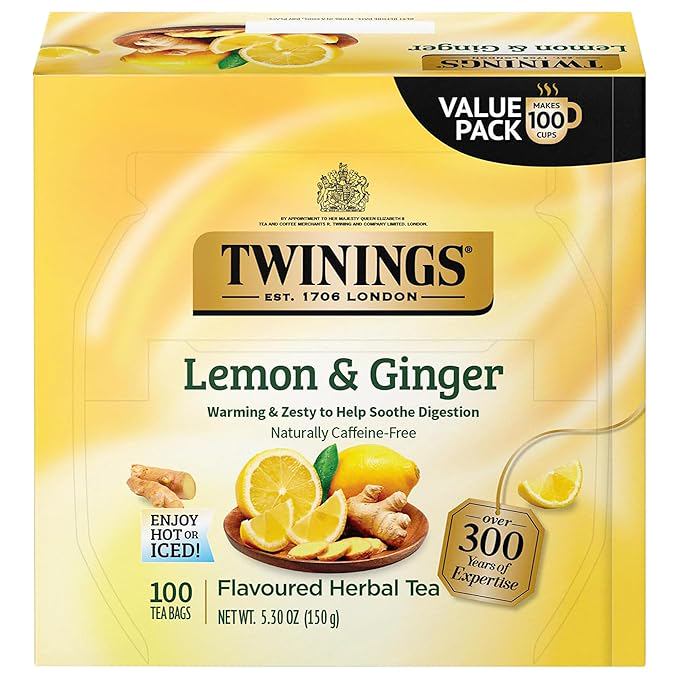
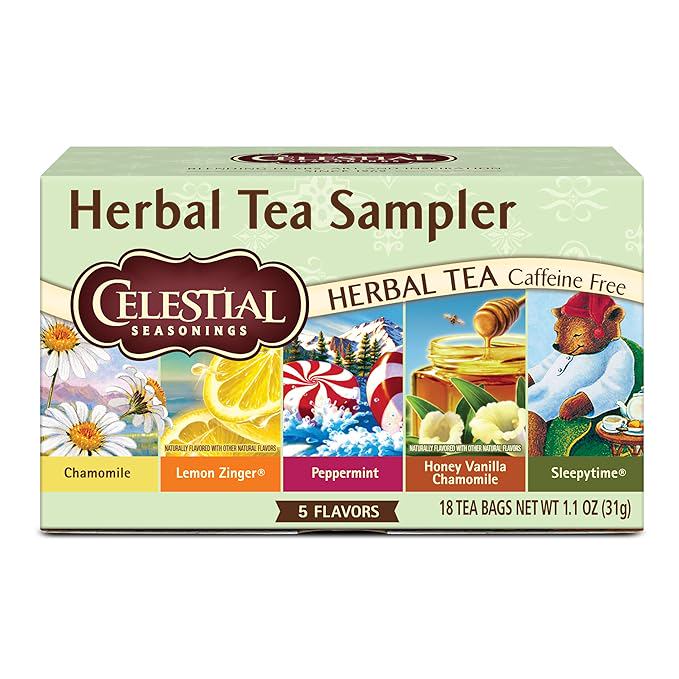
- Some Sodas & Teas: Can be sneaky sources of caffeine.
Alcohol
It’s common to reach for a glass of wine to “take the edge off” after a stressful day. Initially, alcohol acts as a depressant, creating a sense of relaxation. However, as your body metabolizes it, this effect reverses. Alcohol disrupts the balance of neurotransmitters in your brain, particularly gamma-aminobutyric acid (GABA), which has a calming effect, and glutamate, which excites the nervous system.
This disruption can lead to rebound anxiety as the alcohol wears off, sometimes even hours later or the next day—a phenomenon often called “hangxiety.” It also profoundly disrupts sleep architecture, preventing you from getting the deep, restorative sleep needed for emotional regulation. While an occasional drink may not be an issue for everyone, nutritionists note that regular or heavy consumption is strongly linked to increased anxiety levels over time.
Highly Processed Foods
The term “highly processed” covers a wide range, from packaged snacks and frozen meals to sugary cereals and processed meats. These foods are often high in refined carbs, unhealthy fats, salt, and additives while being low in the fiber and nutrients that support brain health. Two major concerns stand out for anxiety.
First, many of these foods contain industrial seed oils (like soybean or corn oil) and trans fats, which can promote inflammation in the body and brain. Emerging research suggests a strong link between systemic inflammation and mood disorders, including anxiety. Second, a diet high in processed foods often means a diet low in prebiotic fiber, which feeds the beneficial bacteria in your gut. Since a significant portion of serotonin (a key mood-regulating neurotransmitter) is produced in the gut, an unhappy gut microbiome can directly impact your stress resilience.
Artificial Sweeteners
In an effort to avoid sugar, many people turn to diet sodas, sugar-free candies, and other products sweetened with aspartame, sucralose, or saccharin. While the research is ongoing and sometimes mixed, some studies suggest that certain artificial sweeteners may alter the gut microbiome in ways that could negatively affect mood. More directly, for some sensitive individuals, these sweeteners can trigger headaches or feelings of unease.
Perhaps the most significant issue is a psychological one: relying on intensely sweet foods—even if they are calorie-free—can perpetuate a craving for sweet tastes and make naturally sweet foods like fruit less appealing. This keeps your palate and brain locked in a cycle expecting hyper-sweet rewards, which can be at odds with a calm, balanced dietary pattern. Nutritionists often suggest using small amounts of natural sweeteners like honey or maple syrup, or better yet, retraining your taste buds to appreciate less sweetness overall.
Remember, the goal here is not perfection or a restrictive diet born out of fear. It’s about observation and gentle experimentation. You might find that one of these foods affects you dramatically while another has little noticeable impact. The most powerful tool you have is your own mindful awareness. Notice how you feel after you eat. Keep a simple log if it helps. This isn’t about creating rules, but about building a deeper, more supportive relationship with food—one that nourishes both your body and your peace of mind.