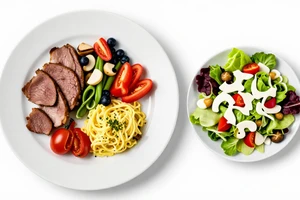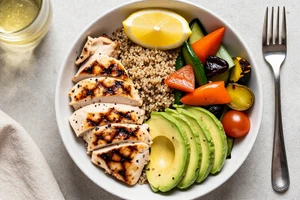
You’ve been diligent about your calorie deficit—tracking portions, saying no to seconds, and hitting the gym. Yet the scale barely budges. Frustrating as that is, the culprit might not be a lack of willpower. It could be a handful of everyday foods that quietly add more calories than you realize.
Registered dietitians see this pattern often: clients who are genuinely eating less but still not losing weight, because certain foods slip under the radar. These aren’t obvious indulgences like cake or fries—they’re items that feel healthy, neutral, or even necessary. Here are the five biggest stealth-calorie offenders, and how to keep them from sabotaging your deficit.
1. The Dressing That Turns a Salad Into a Calorie Bomb
A salad is the classic “good choice.” But pour on the creamy ranch, Caesar, or vinaigrette, and you can easily add 200–300 calories—sometimes more than the rest of the meal. Restaurant salads are especially tricky: many are pre-dressed with heavy oils or emulsifiers, and a side of dressing on a house salad can clock in at 400 calories.
The fix: Ask for dressing on the side, dip your fork in it before each bite, and choose vinaigrettes made with olive oil or vinegar (they still have calories, but you control the amount). Or try a squeeze of lemon, a splash of balsamic, and a pinch of herbs.
2. The “Healthy” Granola and Trail Mix Trap
Granola, granola bars, and trail mix are marketed as wholesome fuel. But many commercial versions are packed with added sugar, oil, and dried fruit that’s been sweetened. A single cup of some granolas has over 500 calories. Even a small handful can run 150–200 calories—easy to mindlessly eat while working or hiking.
Why it’s stealthy: We think of it as a snack, but its calorie density rivals cookies. Dried fruit is concentrated sugar; nuts and seeds are healthy fats but calorie-dense. Together, they add up fast.
The fix: Measure your serving (1/4 cup max). Choose plain oats and add your own fruit and nuts. Or swap for air-popped popcorn, which has far fewer calories by volume.
3. Liquid Calories: Coffee, Smoothies, and “Health” Drinks
What you drink matters as much as what you eat. A medium specialty latte with syrup and whole milk can have 300–400 calories. A bottled “green smoothie” or protein shake can top 500. And the worst part? Liquid calories don’t signal fullness the way solid food does, so you don’t naturally eat less later.
Even seemingly innocent beverages like fruit juice, sweetened iced tea, or coconut water (if flavored) add sugar and calories that you may not account for in your daily tracker.
The fix: Stick to black coffee, unsweetened tea, or sparkling water with a splash of citrus. If you use a protein shake, treat it as a meal replacement, not a beverage. Track every liquid calorie.
4. Nut Butters and Avocado: The Portion Paradox
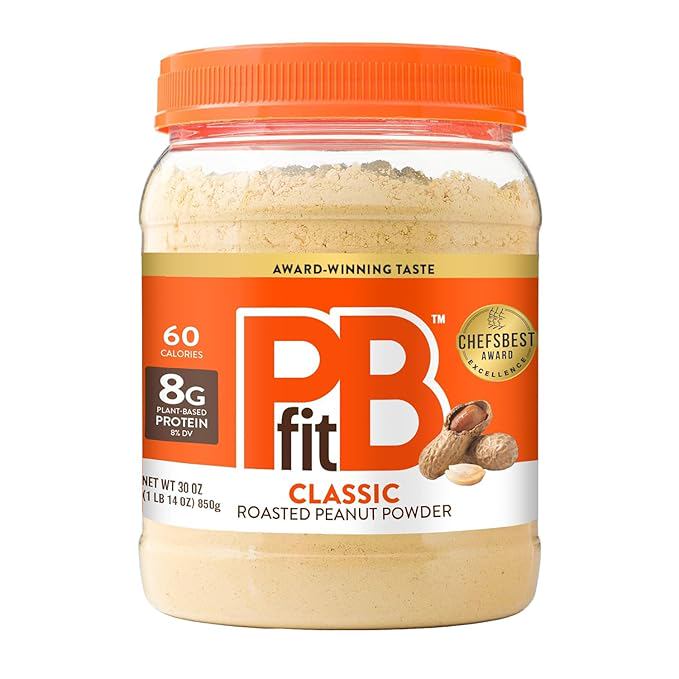
Nut butters, avocado, and full-fat dairy are nutrient-dense foods recommended for heart health—but they are also extremely calorie-dense. One tablespoon of peanut butter is roughly 95 calories; a generous two-tablespoon spread on toast is nearly 200. Many people use three to four tablespoons without measuring.
Avocados are wonderful, but half an avocado has about 130–160 calories. Eat a whole one on a sandwich or salad, and you’ve added 300+ calories before counting the bread or veggies.
The fix: Measure nut butters with a real tablespoon, not a knife scoop. For avocado, stick to a quarter or a thin layer. Use them as a flavor accent, not the base of the meal.
5. “Diet” and “Low-Fat” Packaged Foods That Backfire
Products labeled “low-fat,” “sugar-free,” or “diet” often compensate for lost taste with extra sugar, starches, or sodium. A low-fat muffin may have almost as many calories as its full-fat counterpart—and less satiety, so you’re hungry again sooner.
Diet sodas and artificial sweeteners are another gray area: they have zero calories, but some research suggests they can increase cravings for sweet or high-calorie foods later in the day. Others cause digestive upset that can mask true hunger signals.
The fix: Read the actual nutrition label, not the front-of-package claim. Compare the calorie count and serving size to the regular version. Often, the simplest, least-processed choice—like plain Greek yogurt with a little fruit—is more satisfying and easier to fit into a deficit.
How to Stay in Your Deficit Without Feeling Deprived
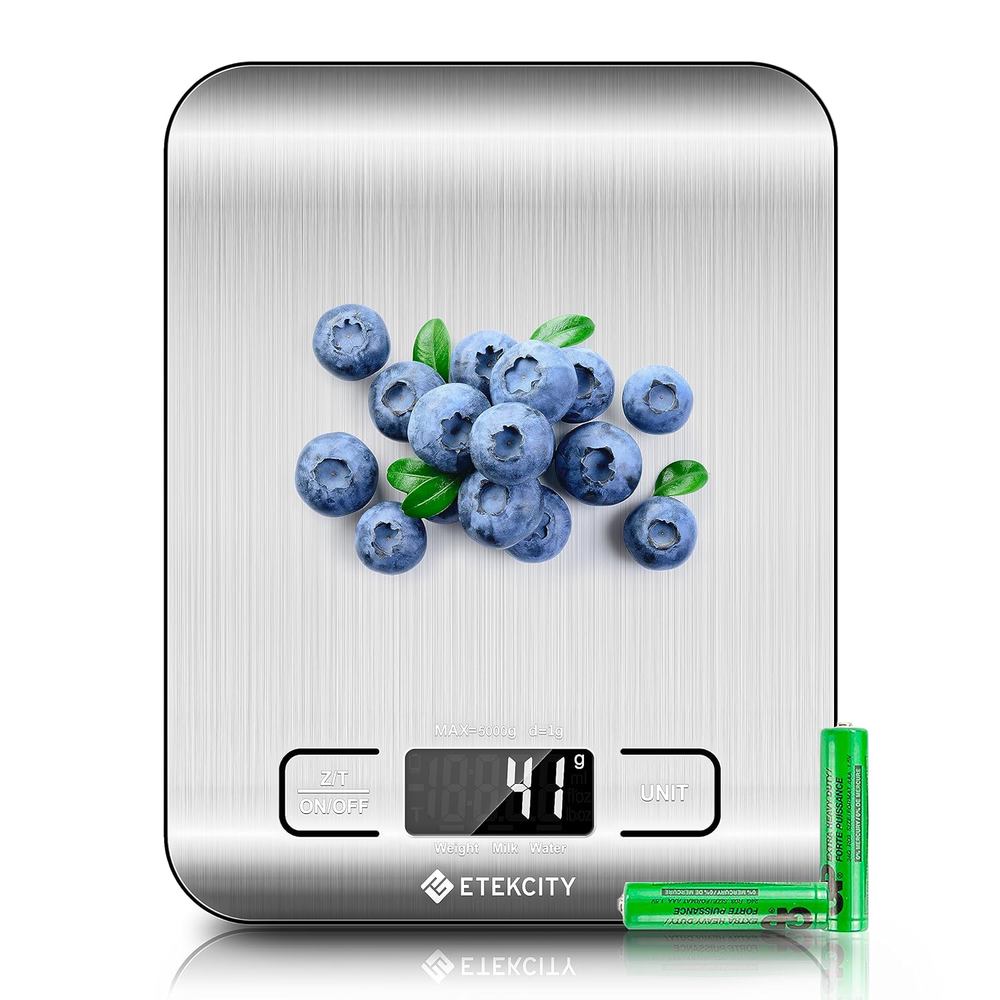
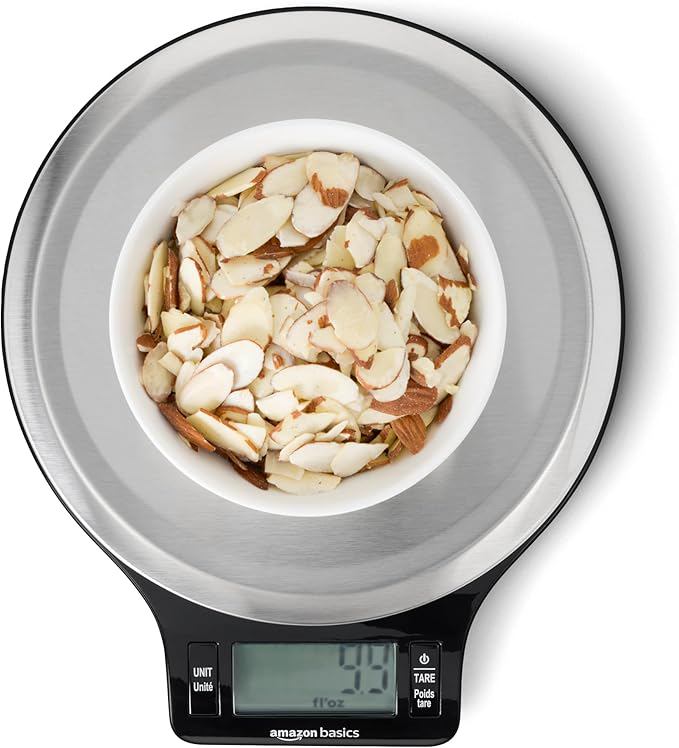
None of this means you can never eat these foods. The key is awareness. Use a food scale or measuring cups for a few days to see where your actual portion sizes stand. Many people discover they are eating 25–50% more calories than they thought from these “invisible” sources.
Dietitians also recommend cooking more meals at home, where you control every ingredient. If you dine out, check the nutrition information before you go—most chains post it online. And if you slip up, don’t panic. One meal won’t break a deficit, but a dozen small oversights can.
A quick daily check: Ask yourself what you ate or drank in the last 24 hours that you didn’t log—or didn’t log accurately. That’s where the stealth calories live.
Your calorie deficit is a math equation, but it’s not just about subtracting random foods. It’s about knowing exactly what you’re putting in. Once you learn where your calories are really coming from, you can make smarter swaps—and finally see the results you’re working for.