Anyone who spends time in restorative or prop-heavy yoga practice knows the feeling: the specific, concentrated tenderness that lingers after a long hold on blocks, bolsters, or the edge of a chair. Props are marvelous tools for alignment and relaxation, but the focused pressure they apply to small areas—like the backs of the thighs, the shoulder blades, or the sit bones—can leave behind low-grade inflammation that feels different from the broad soreness of a vinyasa flow.
That sensation is a normal mechanical response: localized compression triggers a release of fluid and immune activity as the tissue adjusts. The question is how to help that process resolve smoothly. While rest and gentle movement are part of the equation, what you eat plays a surprisingly direct role in how quickly and comfortably that inflammation fades. Here are five foods that target the specific kind of pressure-point inflammation that yoga props can leave behind.
Why prop-related inflammation is different
Unlike muscle soreness from active contraction, prop-related tenderness comes from sustained compression against hard or firm surfaces. Think about a block pressing into the outer hip during a supine twist or a bolster edge digging into the thoracic spine during a supported fish pose. The tissue responds with a narrow, concentrated inflammatory reaction—often temporary, but these micro-reactions can accumulate if you practice intensely without dietary support.
Anti-inflammatory foods help here not by numbing the sensation, but by providing the raw materials the body uses to resolve the inflammatory cascade. The goal is to give your cells what they need to clear the byproducts of compression and rebuild without excess swelling.
1. Pineapple
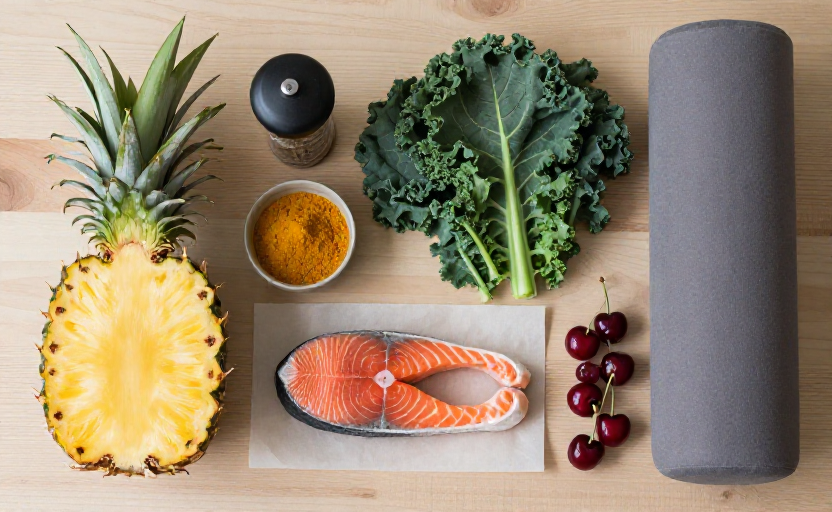
Pineapple contains bromelain, a group of enzymes with a well-documented ability to reduce swelling and tenderness. Unlike many anti-inflammatory compounds that work systemically, bromelain seems particularly effective at clearing the fluid accumulation that happens after a blunt compression event—exactly the kind of force a dense foam roller or a wooden block applies.
Fresh pineapple is ideal, as heat from canning can degrade some of the enzyme activity. Adding a few chunks to a post-practice smoothie or eating it plain about thirty minutes after class gives the digestive system a chance to absorb the enzymes while the compressed area is still warm and receptive.
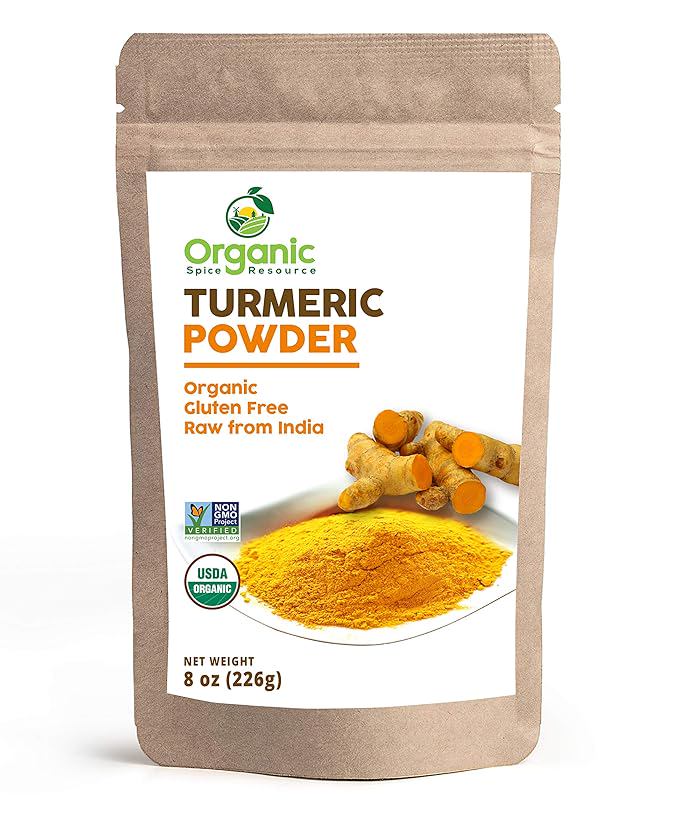
2. Turmeric with black pepper
Curcumin, the active pigment in turmeric, is one of the most researched compounds for quieting the COX-2 and NF-kB inflammatory pathways. What matters here is specificity: the kind of localized, mechanical inflammation that props cause responds especially well to curcumin's ability to temper the early chemical signals that draw excess fluid to a compressed site.
The catch is absorption. Curcumin is poorly absorbed on its own, so pairing it with piperine (the compound that gives black pepper its heat) increases bioavailability by roughly 2,000 percent. A warm turmeric latte with a generous pinch of black pepper, or a golden milk made with coconut milk and a small piece of fresh turmeric root, works far better than the spice alone.
3. Leafy greens
Spinach, kale, Swiss chard, and arugula are packed with vitamin K, magnesium, and a range of carotenoids that help regulate the inflammatory response at the cellular level. Vitamin K in particular plays a role in modulating matrix Gla proteins, which influence how calcium behaves in soft tissue—relevant when sustained pressure creates tiny calcification triggers in overworked fascia.
A large handful of greens in a lunch salad or blended into a pesto provides enough of these nutrients to support repair without requiring a huge dietary shift. The magnesium in greens also helps muscle tissue relax around the compressed area, which reduces secondary tension that can prolong tenderness.
A simple baseline: Include one serving of dark leafy greens within two hours of any practice that involves sustained prop pressure—the nutrient timing appears to help the tissue reset more efficiently.
4. Wild-caught salmon
The long-chain omega-3 fatty acids EPA and DHA found in salmon (and other cold-water fish like sardines and mackerel) are transformed by the body into specialized pro-resolving mediators—molecules that actively turn off inflammation rather than just blocking it. This is the difference between preventing inflammation and helping it resolve once it's already started.
For prop-related pressure points, that resolving action is key. The tenderness you feel after a long supported pose isn't the inflammation starting; it's the inflammation mid-process. Omega-3s help the body clear that response faster, reducing the window of discomfort. Two servings of wild-caught salmon per week provide a meaningful baseline, but a single serving within a day of a deep prop practice offers a more immediate resolution benefit.
For those who don't eat fish, a high-quality algae-based DHA supplement can supply a similar effect, though whole food sources tend to offer broader nutrient support.
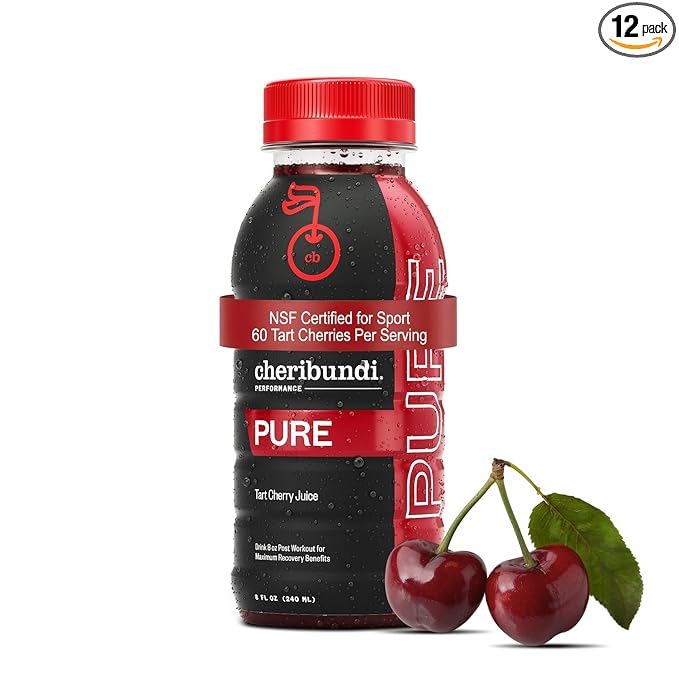
5. Tart cherries
Tart cherries contain unique polyphenolic compounds called anthocyanins that have been shown in research to reduce markers of inflammation after compressive and eccentric exercise. What makes them particularly relevant for prop work is their effect on oxidative stress that happens when tissue is compressed and then suddenly decompressed—the reperfusion of blood flow into a compressed area creates a burst of free radicals that can prolong soreness.
Tart cherry juice (unsweetened) or frozen tart cherries blended into a post-practice smoothie deliver these anthocyanins in a concentrated form. A 2018 study in the Journal of the International Society of Sports Nutrition found that drinking tart cherry juice twice daily for several days before and after a stressful training session reduced inflammation markers by about 28 percent compared to a placebo. For prop-related tenderness, even a single serving in the hour after practice offers noticeable relief for many practitioners.
How to combine these for the best effect
While individual foods are helpful, the real benefit comes from layering them across meals. A post-practice bowl might include wild salmon over spinach with a handful of tart cherries on the side. The turmeric can go into a dressing for the greens, and the pineapple can appear as a fresh topping or a small side dish.
Consistency matters more than timing, but there is a synergistic boost from eating several of these foods within a few hours after a prop-focused session. The key is to provide the body with multiple pathways to resolve inflammation simultaneously: enzymes from the pineapple, curcumin from the turmeric, magnesium and vitamin K from the greens, resolving mediators from the salmon's omega-3s, and anthocyanins from the cherries.
What to avoid in the recovery window
It is just as important to avoid foods that amplify the inflammatory response during the same period. Highly processed vegetable oils (soybean, corn, and sunflower) are rich in omega-6 fatty acids that can compete with omega-3s for the same enzymatic pathways, effectively blocking the resolving process. Sugary drinks and refined carbohydrates also spike insulin, which can transiently increase inflammatory signaling.
Sticking to whole foods in the hours after practicing with props gives the anti-inflammatory compounds a clear path to work without interference. A simple guideline: if it comes in a package with more than five ingredients, skip it until the tenderness has settled.
Inflammation from prop work is a signal, not a problem. It tells you that your body identified a point of sustained pressure and mobilized resources to protect and adapt. Supporting that process with the right foods turns a temporary ache into a meaningful adaptation—without the ache outlasting its purpose.
The foods listed here are not replacements for proper form or for taking breaks when a prop position feels too intense. They are nutritional allies that make the recovery side of the equation more efficient. Used consistently, they help ensure that the tenderness from a deep, supported practice fades quickly—leaving only the benefit of the release.