You know that tight, achy sensation in your hips during a long hold or a deep forward fold. It can make the flow feel forced, even frustrating. While stretching and strengthening are key parts of the equation, what you eat plays a quiet but significant role in how your hips feel on the mat. Certain foods have natural anti-inflammatory properties that can support joint health and ease stiffness, making your practice feel more fluid and less restricted.
If you are looking for dietary adjustments to complement your yoga practice, here are five foods that can help reduce hip stiffness and inflammation. These are not quick fixes but rather consistent nutritional choices that support the whole body, particularly the connective tissues and joints you rely on in every pose.
Why diet matters for yoga and joint health
Your hip joints are large, weight-bearing structures that rely on synovial fluid, cartilage, and surrounding muscles for smooth movement. Chronic, low-grade inflammation can gradually make these tissues less pliable, leading to stiffness that limits your range of motion. Anti-inflammatory foods work by providing compounds that help calm this systemic inflammation, supporting the body's natural repair processes. By consistently including these foods in your diet, you can create an internal environment that helps your hips feel more open and resilient over time.
1. Fatty fish (salmon, mackerel, sardines)
Fatty fish are among the most potent anti-inflammatory foods available, largely due to their high concentration of omega-3 fatty acids, specifically EPA (eicosapentaenoic acid) and DHA (docosahexaenoic acid). These fats work by reducing the production of inflammatory molecules and signaling proteins in the body. For your hips, this means less inflammatory stiffness in the joint capsule and surrounding soft tissues, which can translate to deeper, more comfortable movement in poses like Pigeon or Garland (Malasana).
Try incorporating two to three servings per week. A simple preparation—grilled salmon with lemon and herbs, or sardines on a salad—can provide consistent support without much fuss.
A Note on Balance: Aim for wild-caught fish when possible, as it tends to have a more favorable omega-3 profile. Canned options (like sardines or light tuna) are also convenient and cost-effective.
2. Leafy greens (spinach, kale, collards)
Dark leafy greens are dense with vitamin K, vitamin C, and a range of antioxidants that help combat oxidative stress—a driver of inflammation. Vitamin K is particularly relevant here because it helps regulate calcium in the joints and may reduce the risk of joint stiffness. Vitamin C supports collagen production, which is essential for the integrity of tendons and ligaments around the hip.
You can easily blend a handful of spinach into a smoothie, sauté kale with garlic for a side dish, or toss a simple green salad with olive oil and lemon. Consistency matters more than quantity; aiming for a serving at most meals is a practical goal.
Pair these greens with a source of healthy fat, like avocado or olive oil, to improve the absorption of fat-soluble vitamins (A, D, E, K). This small pairing can make a noticeable difference in how your body uses the nutrients.
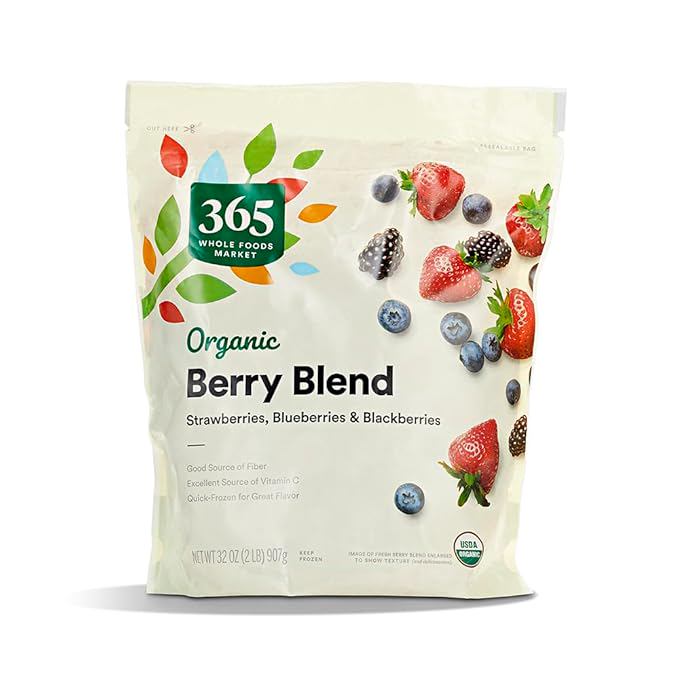
3. Berries (blueberries, strawberries, blackberries)
Berries are rich in flavonoids, especially anthocyanins, which give them their vibrant colors and act as powerful anti-inflammatory agents. In the context of hip stiffness, these compounds can help reduce the production of inflammatory cytokines that may contribute to joint discomfort. Studies suggest that regular berry consumption can lower markers of inflammation like C-reactive protein (CRP).
Frozen berries are just as nutritious as fresh, making this an easy habit year-round. Add them to yogurt, oatmeal, or a post-practice smoothie. They also provide natural sweetness without added sugar, which is crucial since excess sugar can actually fuel inflammation.
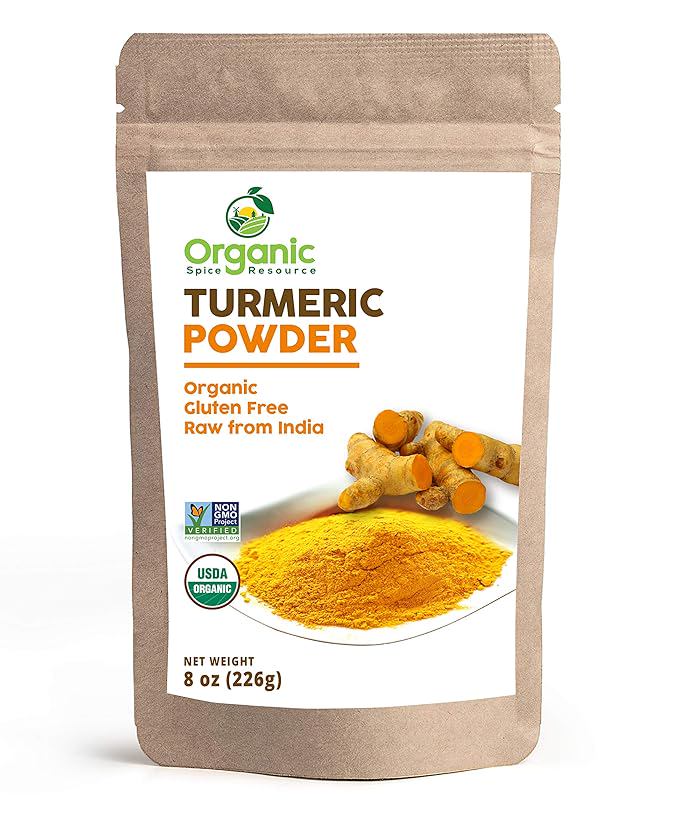
4. Turmeric (with black pepper)
Turmeric contains curcumin, a compound widely studied for its ability to inhibit inflammatory pathways at the molecular level. For yoga practitioners, this can mean less joint stiffness and a greater sense of ease in the hips. The catch is that curcumin is not easily absorbed on its own. Pairing turmeric with black pepper, which contains piperine, can enhance absorption by up to 2,000 percent. This is not optional if you want real benefit.
You can use turmeric in golden milk (warm milk with turmeric, a pinch of black pepper, and a dash of cinnamon), add it to soups, or sprinkle it over roasted vegetables. A small amount daily is more effective than a large amount sporadically.
Tip: Use turmeric powders or fresh root cautiously; it can stain surfaces and clothing. A pinch of black pepper is the key to unlocking its benefits.
5. Extra-virgin olive oil
Extra-virgin olive oil is a cornerstone of the anti-inflammatory Mediterranean diet. It provides oleocanthal, a phenolic compound that has been shown to work similarly to ibuprofen in reducing inflammation (though much milder and without the side effects). For your hips, this can mean reduced stiffness and better joint comfort over time, especially if you use it as your primary cooking oil or dressing base.
Use it cold on salads or over cooked vegetables to preserve its beneficial compounds. Avoid high-heat frying with EVOO, as that can degrade some of its beneficial properties; save that for regular olive oil or avocado oil.
Drizzle it over roasted vegetables or use it as a simple dip for whole-grain bread. Two tablespoons per day can provide a measurable anti-inflammatory effect, according to research.
Putting it together: a simple approach
You do not need a complicated diet overhaul. Start by adding one or two of these foods to your daily routine. For example:
- Breakfast: A smoothie with spinach, frozen berries, and a spoonful of flax or chia seeds (also omega-3 sources).
- Lunch: A salad with leafy greens, grilled salmon, and an olive oil dressing with a pinch of turmeric and black pepper.
- Snack: A handful of walnuts or a small bowl of berries.
- Dinner: Roasted vegetables drizzled with olive oil, served alongside a piece of turmeric-seasoned fish or chicken.
By making these small, consistent changes, you can help your hips feel more open, less stiff, and better prepared for your yoga practice. Remember that food is only one part of the puzzle—adequate hydration, proper sleep, and regular stretching all work together to support hip health. Listen to your body, and let your whole lifestyle support your time on the mat.